2024 has come to an end and I have decided to revive my year-end roundup of the movies I reviewed. These are the silent films reviewed in the previous year that yielded the most enjoyment, no other consideration is entertained.
I enjoyed these pictures for various reasons and I don’t think an ordered list would do them justice, so all films are presented in alphabetical order. Link to the full review is in the title. Enough preamble! Ready? Let’s go!
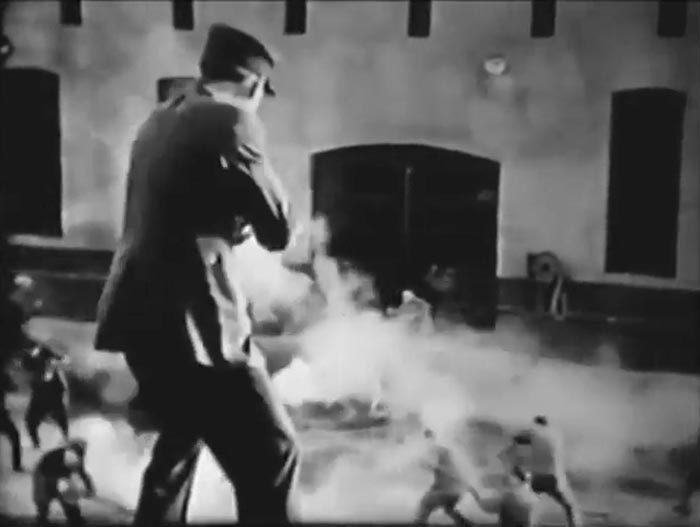
This was a complete surprise for me. I was expecting a by-the-numbers crime picture with action sequences and that’s what it was for the first few reels. But then the picture socks it to us with a spectacular prison break sequence, followed by a chase scene by train, horse and automobile that is one of the most exciting finales of the silent era. It’s unsung and underrated and well worth seeing to anyone who likes excitement and high quality stunt work.
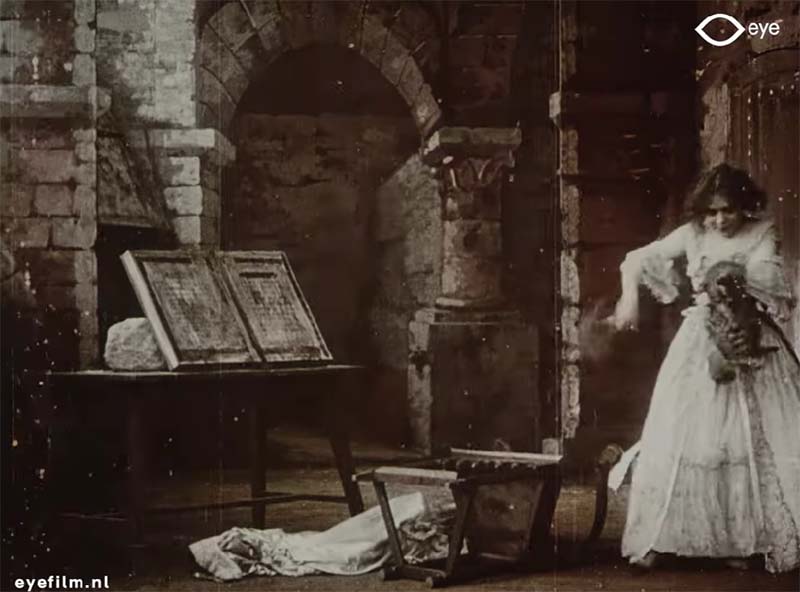
The Bride of the Haunted Castle (1910)
Beautiful stencil color, a creepy gothic plot and a heroic cat that saves the day, what’s not to like here? Director Albert Capellani creates a fairytale-like atmosphere that slowly morphs into a nightmare as a bride becomes entangled in a death trap on her wedding day. A real castle adds heft and authenticity to the setting of this French production and there is a very nice flashback sequence explaining how the trap came to be set.

A Dash Through the Clouds (1912)
Mabel Normand was a daredevil but, for whatever reason, the most-watched Keystone titles don’t seem to be the ones that feature her at the height of her bravery. Her damsel in distress antics in Barney Oldfield’s Race for a Life get a lot more play than this picture and it’s a shame because watching Mabel take to the clouds in a wire-and-a-prayer early airplane to save her silly boyfriend is one of the greatest joys you can find in cinema.
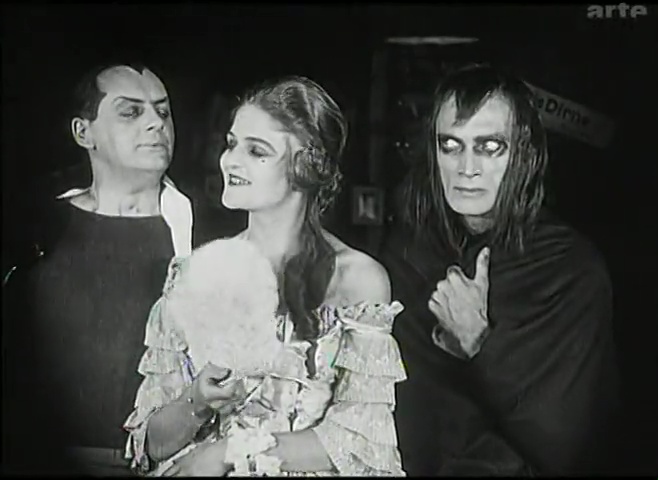
A German anthology picture that deals with death, disease, degeneration and murder… and even has Conrad Veidt! The stories are loosely connected by a bookshop frame story as various stylized portraits come to life and try to find books macabre enough to suit them. Producer-director Richard Oswald crafts an eerie world of murder, mayhem and bodies that don’t seem to stay dead. A smash hit in post-war Germany and for good reason.

An Estonian servant finally snaps under the dehumanizing treatment at the hands of the aristocracy and wages a campaign of robbery and practical jokes. I thoroughly enjoyed this picture’s working class swashbuckling and the trickster antics of its hero. The episodic tale zips along and makes the most of its limited budget with chases, escapes, disguises and all manner of classic adventure picture derring-do. And all this in a class-conscious framework.

Modern audiences seek this out for Louise Brooks, who plays a bratty flapper, but it’s Evelyn Brent’s picture. Brent plays the responsible big sister who always puts herself last but ends up with a cheating boyfriend and an accusation of theft when her younger sibling takes her selfishness too far. It’s a sassy picture—Brent ends up in a fistfight with a villain—and the kind of brash fairy tale that was silent era Hollywood’s stock in trade.
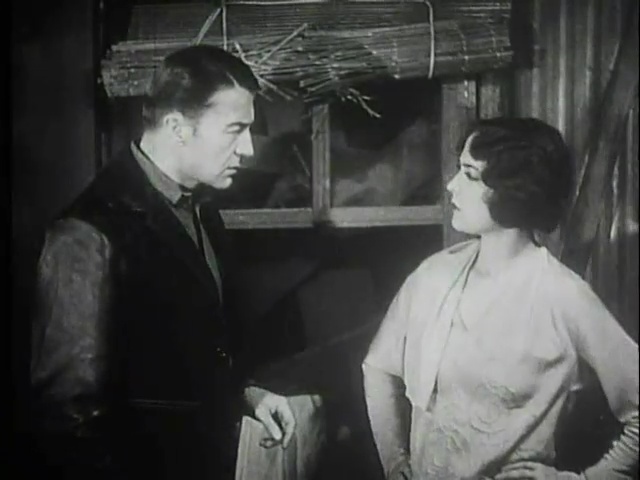
This isn’t a good movie. Not by a long shot. So what is it doing on this list? Well, it may not be very good but it’s not very good in a way that would have only been possible in 1920s Hollywood and something about it struck a chord with me and reignited my enjoyment of silent films. The plot is a goofy romance about a rich guy who marries a gold digger, is shocked that she wants his gold and pretends to not have any in order to teach her a lesson. I told you. Goofy. Everyone is miscast, nobody has a speck of common sense and I enjoyed the hokum thoroughly.
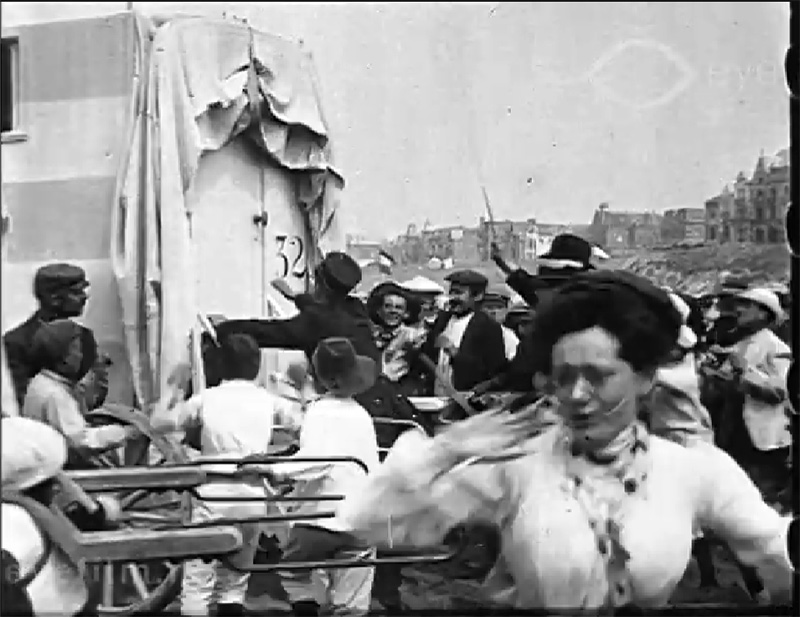
The Misadventure of a French Gentleman Without Pants at the Zandvoort Beach (1905)
I mean, the title alone! But what I loved about this little Dutch comedy is how perfectly it illustrates and encapsulates the can-do spirit of early cinema. The story is about, well, look at the title and the production team just showed up on the beach with the aforementioned panstless fellow, relying on holidaymakers to be the rest of their cast. And it worked! The local newspaper even broke the story of this immodest waterside mishap. It’s a cute little comedy too.
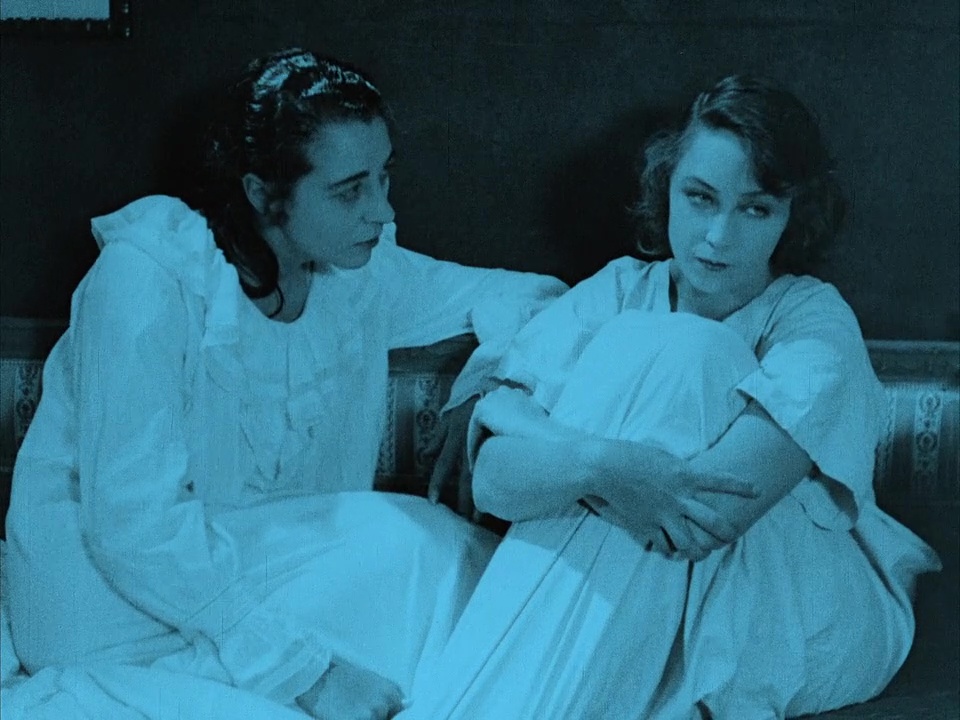
A gentle and sensitive portrayal of pink collar women rooming together and trying to make it in 20th century Stockholm. The slice of life tale is intimate thanks to polished performances, sympathetic direction and an unusual first-person title card narration style. The personalities of the four roommates are distinct, appealing and real, we all know or knew young ladies like them. Bittersweet despite its likely studio-mandated happy ending.

Pushkin’s novella adapted into a mini-feature with Ivan Mosjoukine? I was already inclined to like it but the innovative and imaginative direction by Yakov Protazanov enhances the strange tale. In contrast, the normally bombastic Mosjoukine goes for an understated performance for much of the film before descending into madness. It’s all wonderfully effective and a master class in film adaptation.
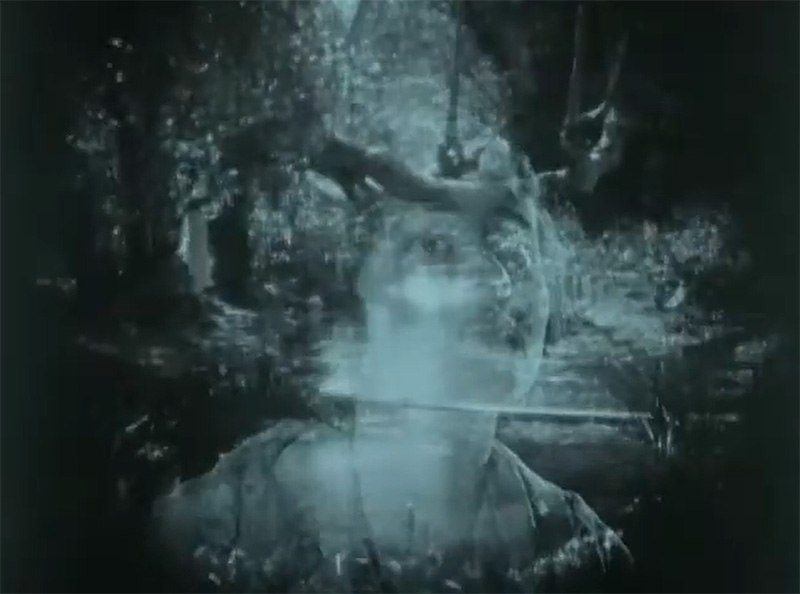
This was another surprise. I didn’t care much for the saccharine heroine of the Robert W. Chambers novel and the film has a slow start but the vision scene changed my mind. The heroine sees dead people and is attacked as a fraud but then she calls up the dead secret child of her chief attackers. The scene is put over by a skilled supporting cast and I appreciated the ethereal direction by Sidney Franklin.
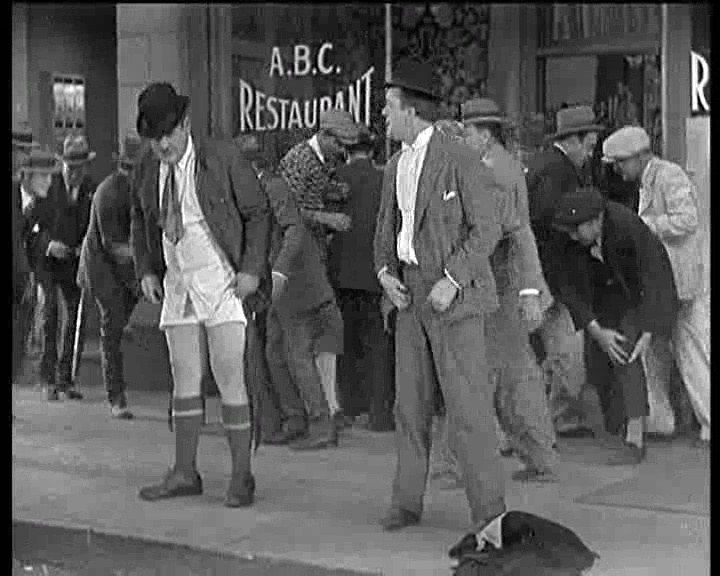
This one is a slight cheat because it has been one of my all-time favorite silent film shorts for going on two decades but I reviewed it for the first time this year. Laurel and Hardy play unemployed musicians and the first half of the short is fun but it’s the grand finale of epic pantsing that really puts it over as one of the greats.
Bonus!
Favorite New to Me Talkie: Inspector Palmu’s Error (1960)
In reviewing Finnish silent films, I became familiar with the Rinne brothers and particularly the youngest, Joel Rinne. He was cast as handsome leads and dabbled in comedy but whenever I posted about him on social media, the response was always “Hey, young Joel Rinne!” This naturally piqued my curiosity about old Joel Rinne and his fans explained that he was best known as Inspector Palmu, a rumpled Helsinki detective.
The first film in the series was posted online with English subtitles, so I eagerly watched. It’s a suitably complicated and twisted tale of sick familial relationships, unhealthy friendships and murder in a luxury manor. Rinne holds it together with a wry, charismatic performance as he solves the case. (Stream for free here.)
☙❦❧
Like what you’re reading? Please consider sponsoring me on Patreon. All patrons will get early previews of upcoming features, exclusive polls and other goodies.
Disclosure: Some links included in this post may be affiliate links and I earn from qualifying purchases.

