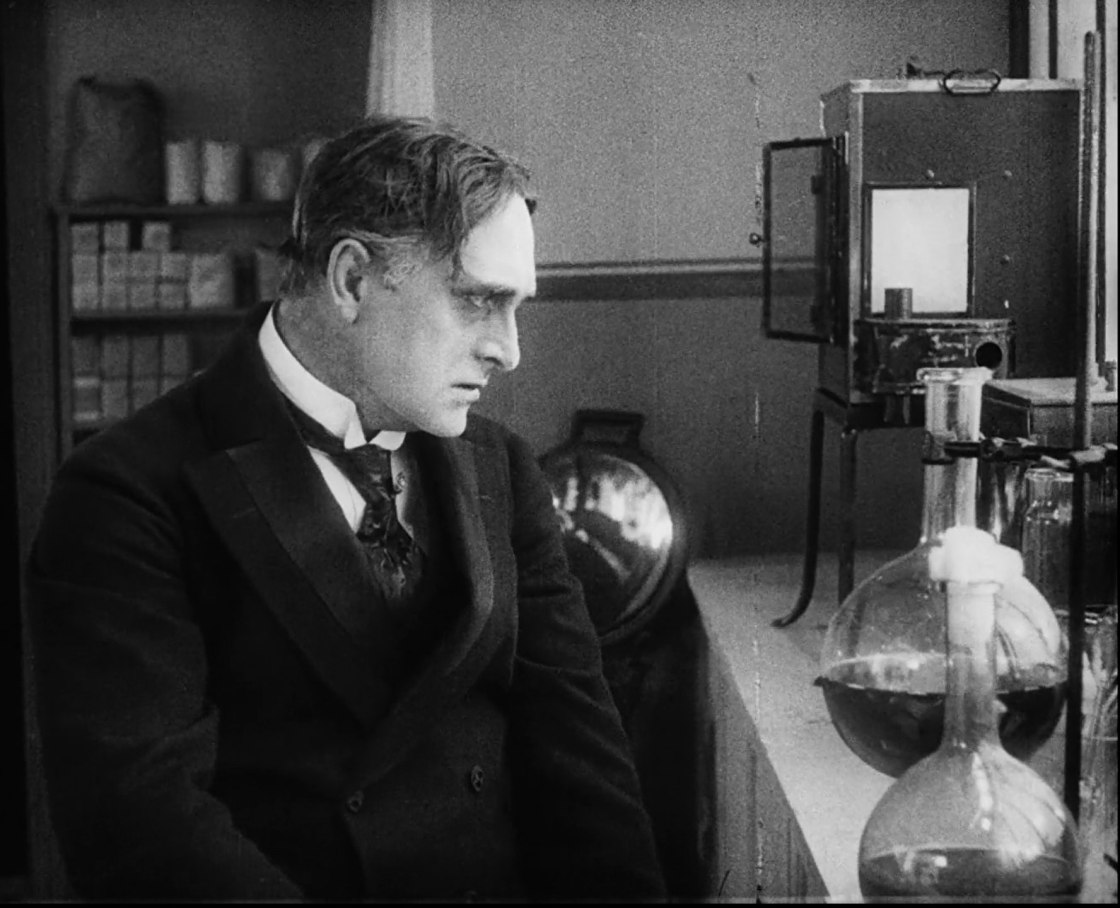
A scientist in a fictional European capital works tirelessly on a cure for a deadly epidemic but is stymied by a jealous rival and mass panic as the disease takes hold.
Home Media Availability: Stream courtesy of the Danish Film Institute.
Worse Than the Disease
The First World War had been devastating enough but the global pandemic erroneously called Spanish Influenza took a terrible situation and made it worse. Curiously, while measles, cholera, tuberculosis and smallpox all figured prominently into motion pictures, the influenza was essentially erased with offhand references in Daddy Long Legs and, later, The Red Kimono.
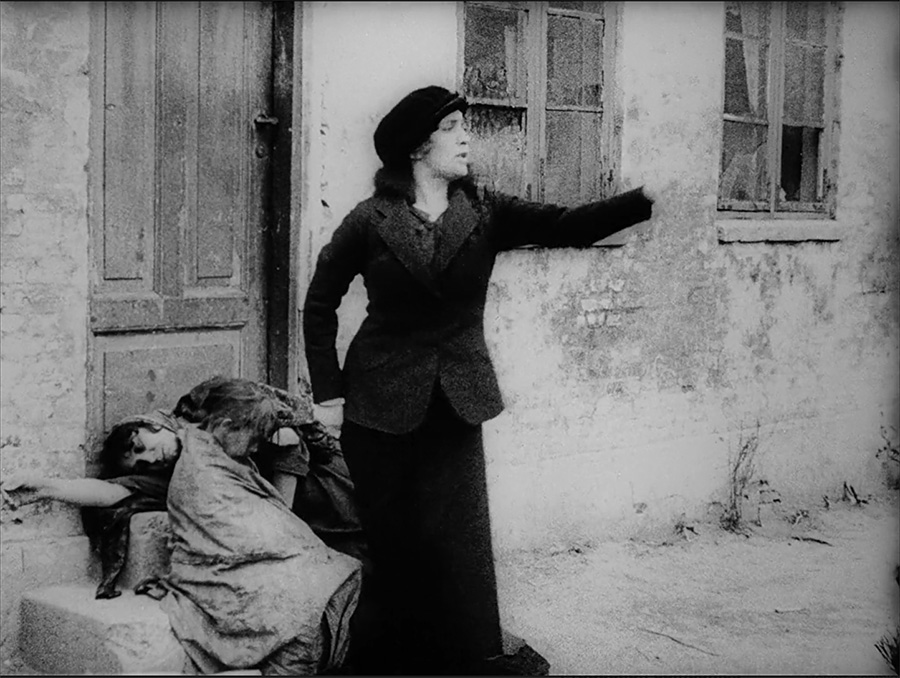
Symbolic, thinly-veiled movie portrayals were a bit more common. The Plague of Florence, a historical drama penned by Fritz Lang, was clearly playing off modern events, and Denmark tackled the topic with both a fictional city and a fictional disease.
The Doctor was written and directed by Fritz Magnussen, whose successful career was cut short by his early death in 1920 while only in his forties. Magnussen introduces us to the suspiciously Danish-looking city of Atlantica. Its public health officials, including doctor and scientist Harold Lister (Olaf Fønss), chemist Geo Whistler (Robert Schmidt), and Professor Dawies (Cajus Bruun), meet to discuss stories of a dangerous pandemic that seems to be spreading toward their city. Lister has been working on a serum that could be effective against this disease but Whistler scoffs and declares they need practical solutions, not dreams of the future.
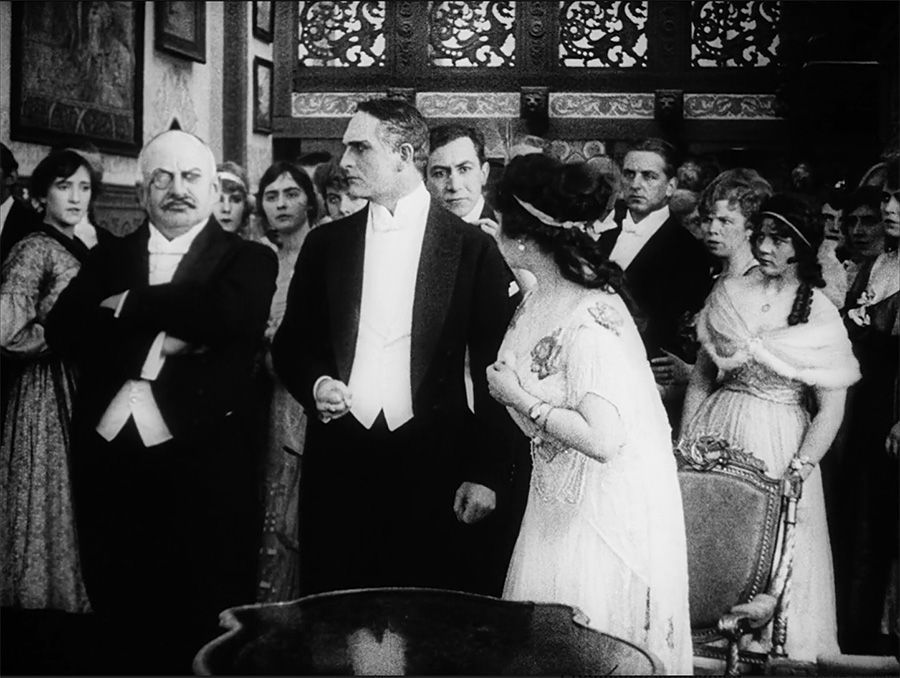
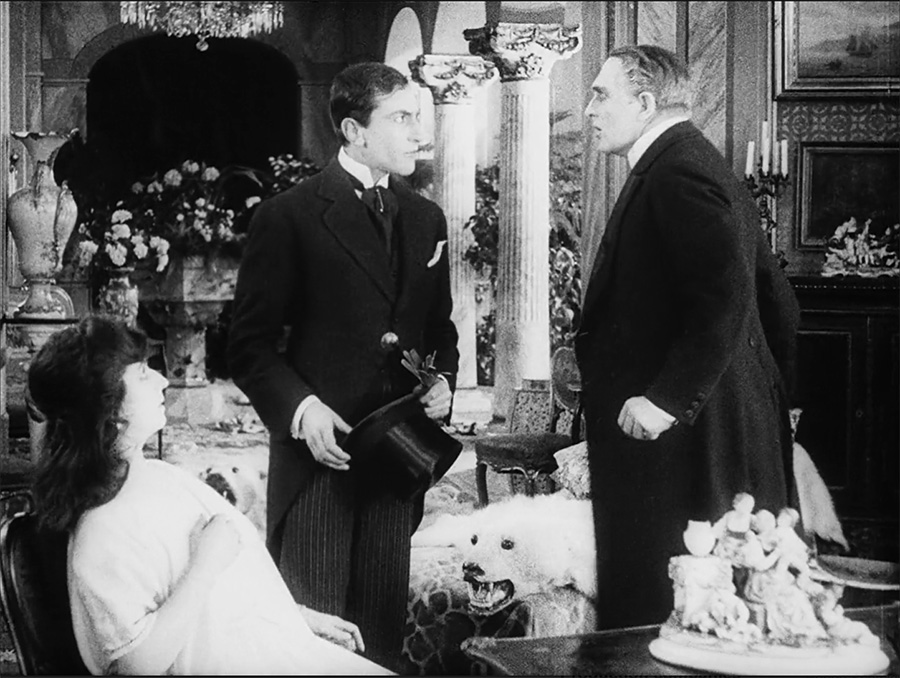
This is a bit of a “why not both?” situation as both prevention and working on a treatment or cure are good medicine but Whistler has other motives. He is in love with Julie (Nathalie Krause), the daughter of millionaire Spenlow Magillan (William Bewer) but she had eyes only for Lister. That is changing, as Lister is spending all his time in his lab working to perfect his serum while Julie has to dine alone with a few hundred of her closest friends. Whistler is in with a chance and he means to take it.
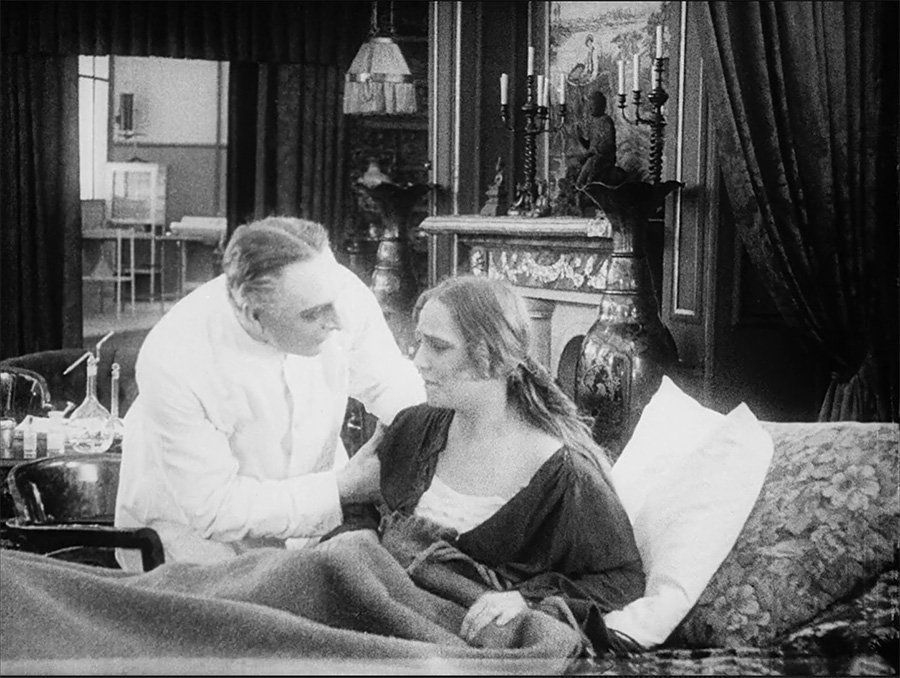
Meanwhile, the first victim of the disease arrives in town. Good Samaritan Annie Rawlins (Clara Wieth) attempts to comfort the child of the dying woman and contracts the disease herself but nobody realizes what has just happened. The victim is rushed to the hospital, where Dawies identifies the disease. Annie collapses in front of Lister’s home and he takes her inside. Realizing he has a chance to test his serum, he injects the dying Annie and she makes a full recovery.
Julie and her father are insulated from the disease and their friends continue to hold lavish parties but the disease soon spreads to them too. The Magillans try to flee with their cash but are stopped at the border as nobody, no matter how wealthy is permitted to leave.
With proof that his serum works and Annie volunteering as his ward, Lister rushes to the public health encampment where the impoverished victims of the disease are being treated. He immediately deploys his serum. Whistler is enraged that Lister is finding success and begins to scheme his downfall. Julie falls ill and is abandoned by her servants and her own father. She calls Lister for help and he rushes in with his serum. Whistler, who has been spying on Lister, seizes the chance to sneak into the lab, contaminate the serum and render it ineffective. The infected Magillan flees to his money bin and dies fondling his cash.
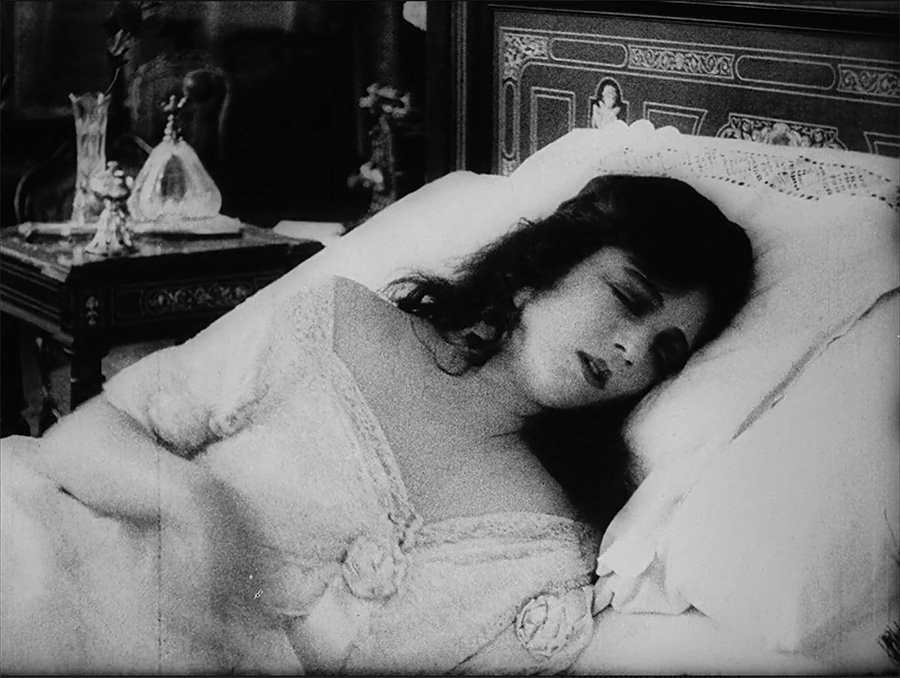
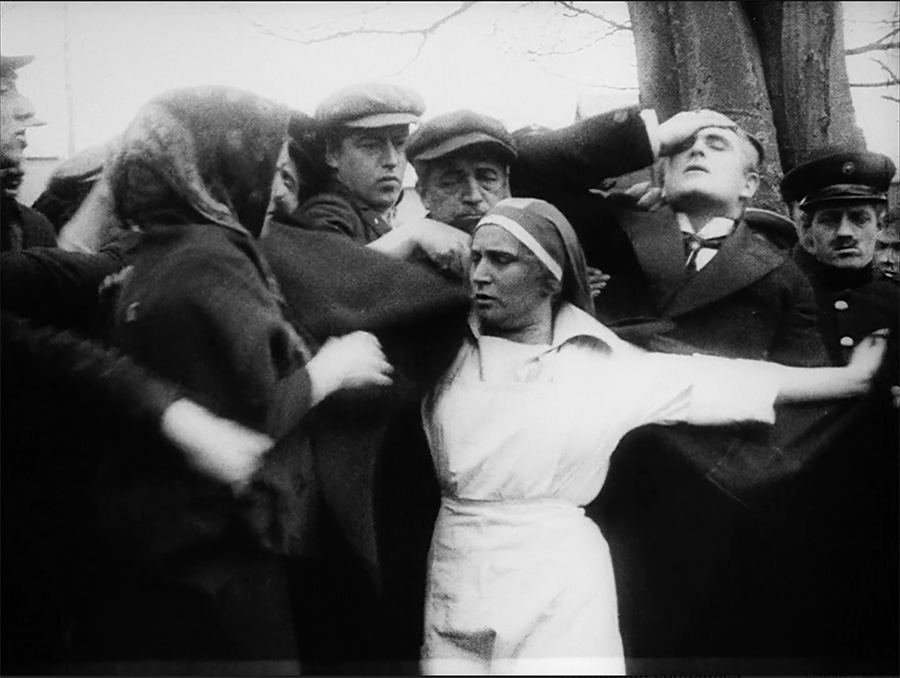
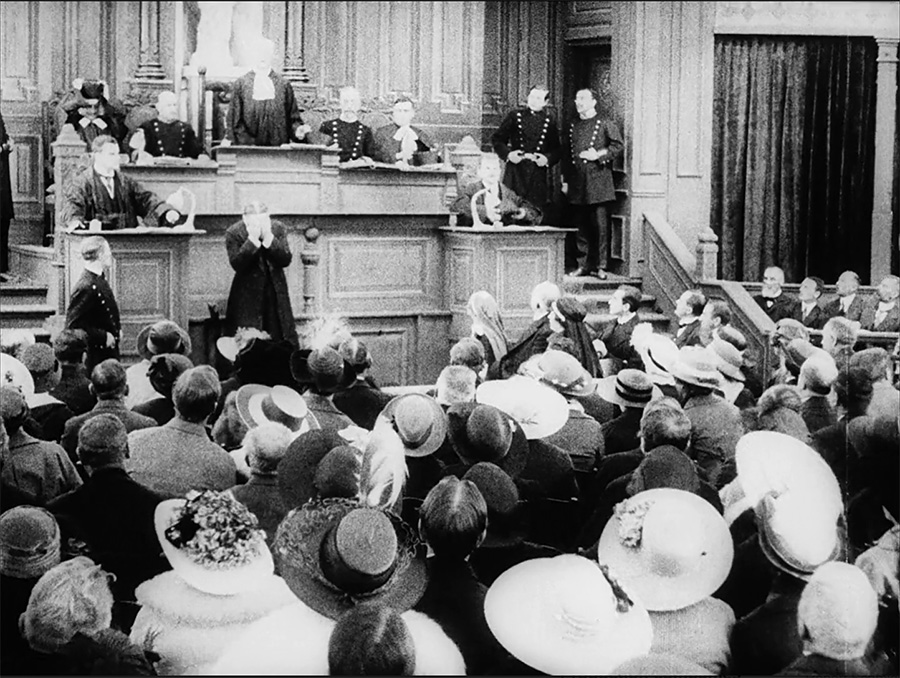
But the serum has stopped working! And Whistler plants items in the press accusing Lister of quackery and being responsible for the death of thousands. With the masses (well, mass-ish, this film has a cast of dozens) baying for his blood, Lister is arrested and put on trial.
Will Whistler’s evil scheme succeed? Will the disease ever be cured? See The Doctor to find out!
I should note that the final reel of this film is lost, so I will share what happens after the footage ends at Lister’s trial. Skip this paragraph if you wish to avoid spoilers. Per the original program, after Lister is acquitted, he falls ill himself but his friends do not dare use the questionable serum. He is saved by some kind of stroke of luck (the program is not specific) and Julie wants to get back together but he is in love with faithful Annie. (I so wanted to see Julie get dumped too!) Whistler is hoist on his own petard when he comes down with the disease and he clears Lister in a deathbed confession. With the serum exonerated, the disease is cured.
So, this movie is not subtle. That’s not exactly news but it is basically a sledgehammer with its message. I think prior to 2020, I might have rated this film lower but, having gone through a global pandemic that saw the poor being left to die, the wealthy throwing money at the problem to buy their own lives, and health officials cynically attacked, I can’t say that it is exaggerated. Sometimes, life is a cartoon. Magnussen’s direction is simple and direct but effective with plenty of closeups and good use of a clearly limited pool of extras to simulate citywide panic.
Speaking of which, Olaf Fønss was an old school, capital B Big Gestures kind of guy. You’re either in or you’re out with him and I am in. I don’t know, I just enjoy his particular brand of playing to the cheap seats. Everyone in this film really goes for it, with varying degrees of success. When people talk about “silent movie acting” this is usually the kind of thing they mean. Schmidt really needed to grow a mustache so he could twirl it and Krause’s deathbed scene was a class in flailing. Wieth is a bit more subtle than the rest but her performance is still heightened. Once again, not particularly upset about this given the wild pandemic era behavior we witnessed just a few years ago.
The film has elements that were dated 1917, prior to the outbreak of the infamous influenza pandemic of 1918. Denmark was neutral in World War One and, like all neutral countries, was “neutral” with a lean toward one of the combatants, the Central Powers in this case. The influenza almost certainly bred and spread among the encamped troops with stories of a particularly nasty strain circulating years before the early 1918 outbreak. Denmark didn’t have such encampments but rumors could have spread. I am not sure exactly how much of the story was written before its March 1918 release but silent era filmmaking could turn on a dime to fit current events.
Denmark also had its challenges with infectious diseases in the nineteenth and early twentieth centuries, and kept extraordinarily thorough records, so we know that the country experienced seven major medical crises the century before The Doctor was made. There were two outbreaks of unknown disease, two cholera epidemics, two influenza pandemic (the latest of which had occurred in 1900) and one scarlet fever outbreak. The early 18th century unknown outbreaks were concentrated in rural communities and possibly made worse by food insecurity. The Doctor was solidly grounded in Danish history.
Solid medical practice, though? Well, Lister uses his serum on a seriously ill patient who did not consent to be a guinea pig and he gets kind of handsy while doing it. I realize this is a movie and she is the secondary love interest (medical folk falling for their patients was a wildly popular movie trope) but it certainly doesn’t come off terribly well these days. Still everything else about the movie is so exaggerated that it’s no surprise that the romances are overwrought as well.
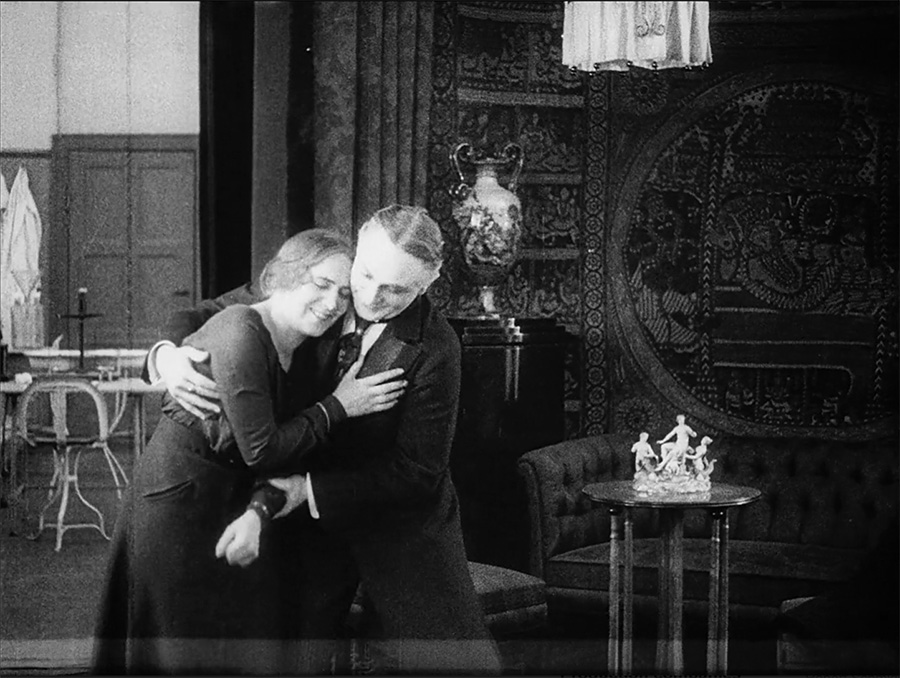
This is definitely an interesting film and, in my opinion, far more historically significant than the amount of attention it has received would indicate. Perhaps the extremely Fønssian performances have put some modern folks off but with our own twenty-first century pandemic helping to careen all manner of bad science, vaccine panic and quackery into the mainstream, I am not in the mood for subtlety on this subject. I suspect Danish audiences of 1918 felt the same.
Where can I see it?
Stream the surviving material courtesy of the Danish Film Institute. The title cards are in Russian with Danish subtitles.
☙❦❧
Like what you’re reading? Please consider sponsoring me on Patreon. All patrons will get early previews of upcoming features, exclusive polls and other goodies.
Disclosure: Some links included in this post may be affiliate links and I earn from qualifying purchases.

