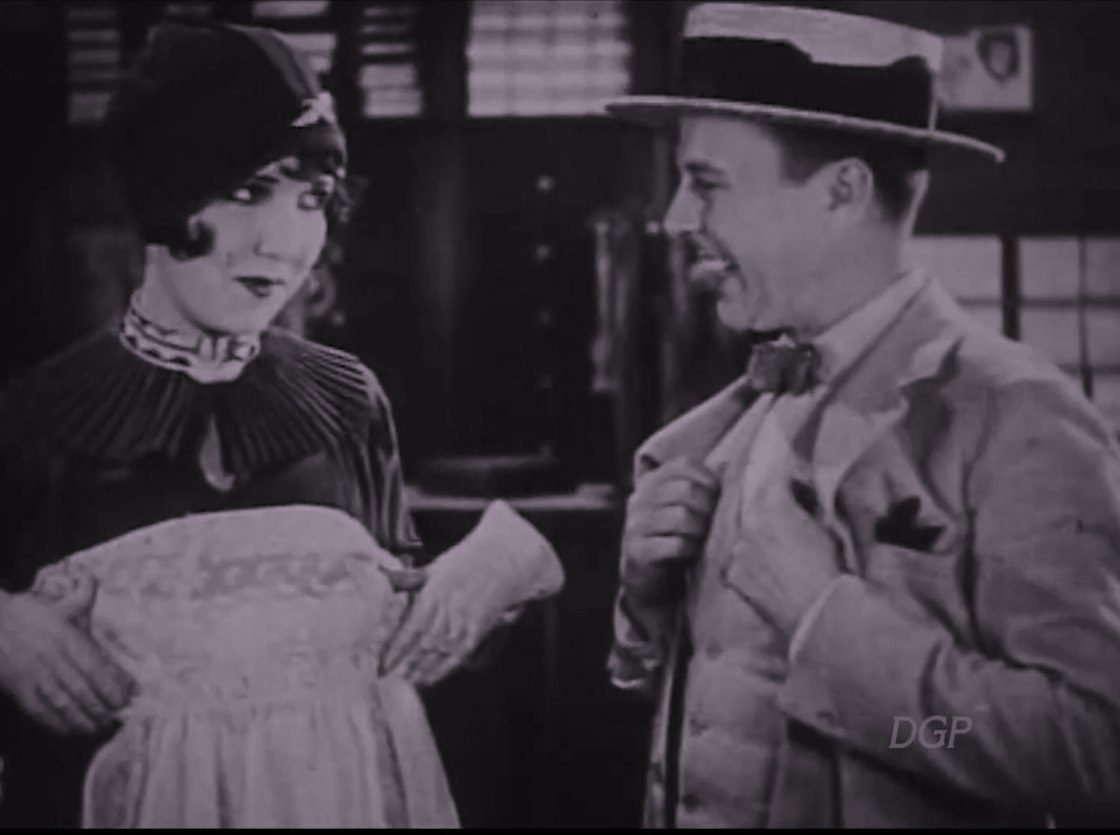
The Smith family are on the hunt for a new chair but chaos ensues at the department store during a big sale. There’s matrimonial war at the lingerie counter and the child of the family dabbles in a felony crime spree.
Home Media Availability: Stream via YouTube
All Sales Final
Mack Sennett is associated with rough slapstick, cotton cop clubs, and every description of thrown food and drink, from cakes to milk. That’s fair enough for the man whose studio introduced the Keystone Cops and his antics continued into the 1920s, lavishly displaying the gams and swimwear of the Bathing Beauties who were his other signature act. Business, however, was not what it was.
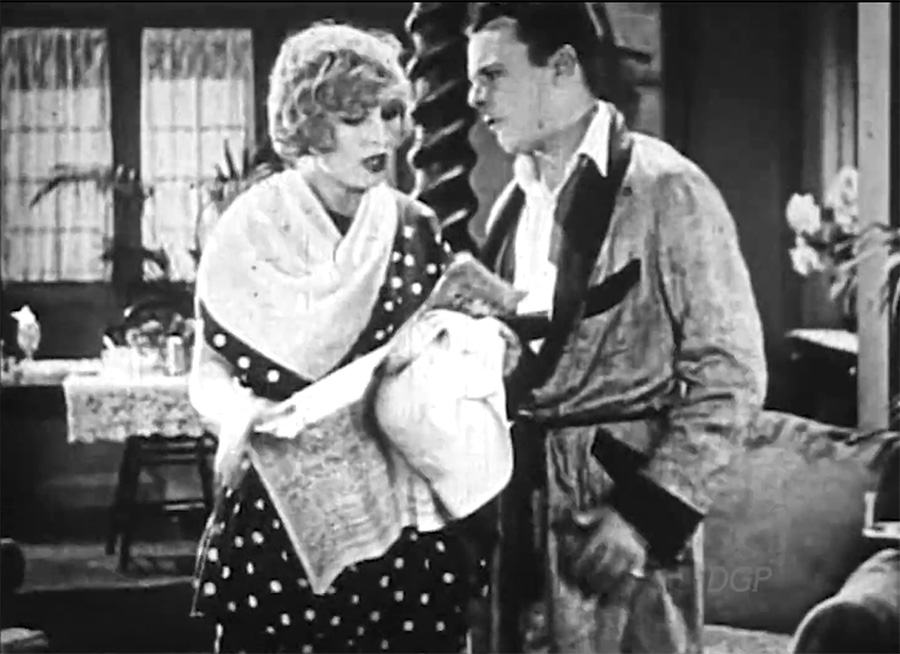
Later in life, Sennett clutched his pearls at the very idea of a bikini and declared that his was a more innocent age. That’s all nonsense, of course– the man loved a woman in a wet bodystocking– but the seeds of this attitude can be seen in his 1920s output. There were still comical car wrecks and those bathing girls, of course, but things were changing.
The AFI Film Reader Slapstick Comedy, brings out that in the late 1920s, Sennett decided to class up the joint. In correspondence with its publicity department, the main office made it clear that he wanted a more dignified public image, wished to distance himself from his reputation as a beauty expert and to cease hitching his star to “little nobodies” in swimsuits. That last statement is ironic considering that Sennett fought the rising star system and refused to pay big names with genuine draw like Chaplin, Arbuckle and Normand what they were worth. In any case, all that was in the past! Human, clean and dignified would be Sennett’s watchwords, not that swimsuit business. (This kind of attitude toward the old slapstick by slapstick veterans was elegantly skewered by King Vidor and Marion Davies in Show People.)
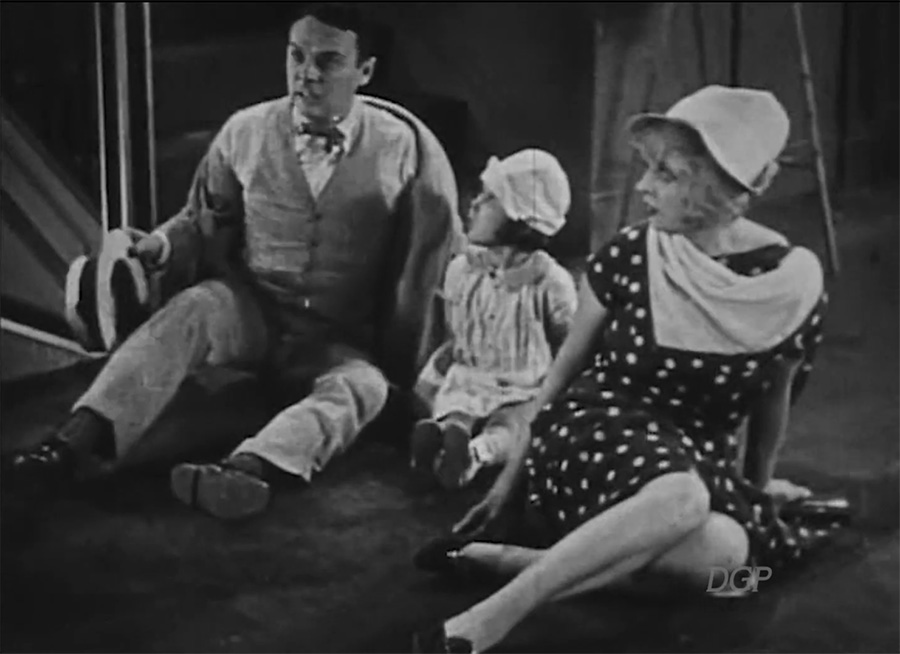
Back in the 1910s, Vitagraph had differentiated itself from Keystone with domestic comedies. Vitagraph had since sold out to Warner Bros. but Sennett’s Smith Family series feels like a would-be spiritual successor to those softer, subtler domestic hits. The series revolved around a set trio of Raymond McKee as Jimmy Smith, Ruth Hiatt as Mabel Smith and little Mary Ann Jackson as their daughter, Bubbles, the quintessential American middle class family.
The Bargain Hunt was one of the last of the Smith Family comedy series and it uses a popular hook of the time: a day in the big department store. Department store comedies were wildly popular during and after the silent era with shoppers, shoplifters and store staff colliding. The main theme could be romance (the store boss was a popular object of romance for the shop girls, as were fellow employees) or chaos among the shoppers (the epic white sale scene of Fluttering Hearts is an all-time great).
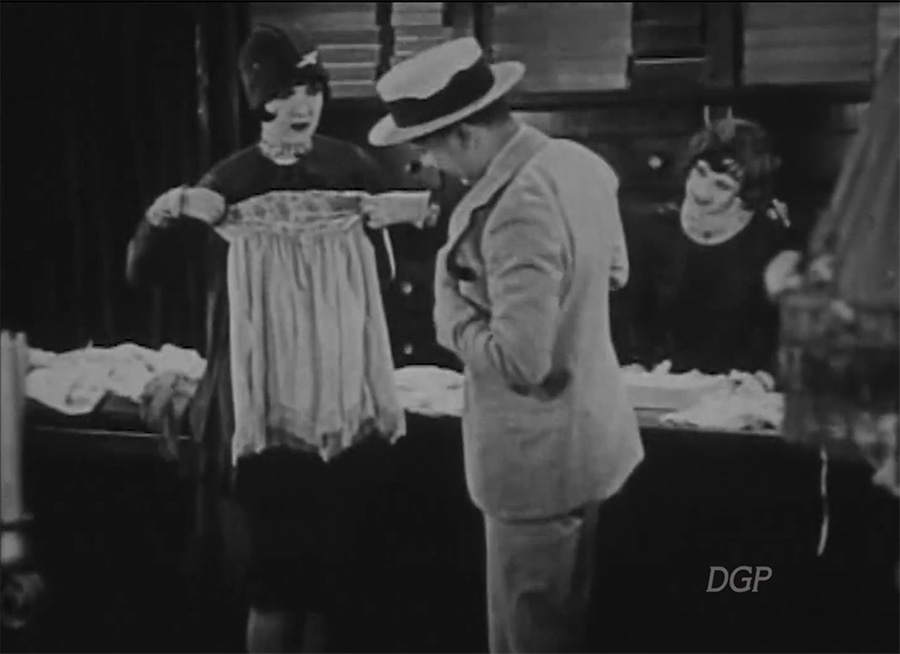
In the case of the Smiths, Mabel and Jimmy want a nice new chair for their parlor and there is a sale on. Bubbles, meanwhile, asks her mother if she can buy a little brother and Mabel indulgently tells her of course she can. So, off to the store they go. And trouble immediately strikes as the furniture sale opens later than the rest of the bargains. Jimmy wanders off to buy some new lingerie for Mabel as a surprise but she gets the wrong idea when she sees him taking advice from fellow shopper Carmelita Geraghty (who played Jordan Baker in the lost 1926 version of The Great Gatsby, by the way).
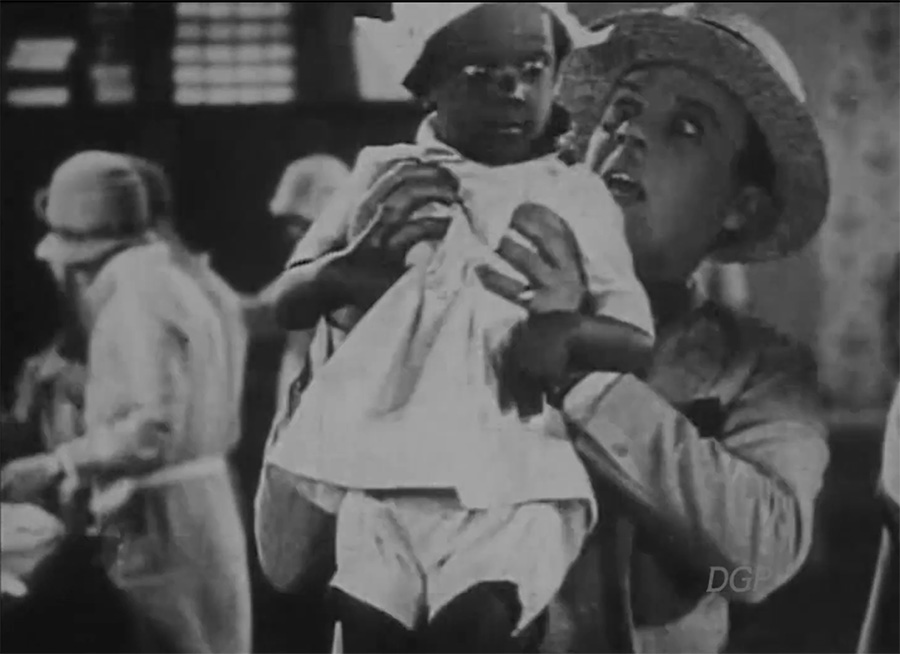
While mom and dad fight it out, Mabel places Bubbles in the store daycare area and the kid still has the notion that she is shopping for a kid brother. The babies all have number tags on them for identification but Bubbles takes them for price tags. She likes Kid 17 but he costs far too much as she only has five cents, so Toddler 5 it is! Meanwhile, the attendant leaves and the kids escape, including Bubbles, who drops her money in the milk fund donation jug, bags up her purchase and heads off to find her parents.
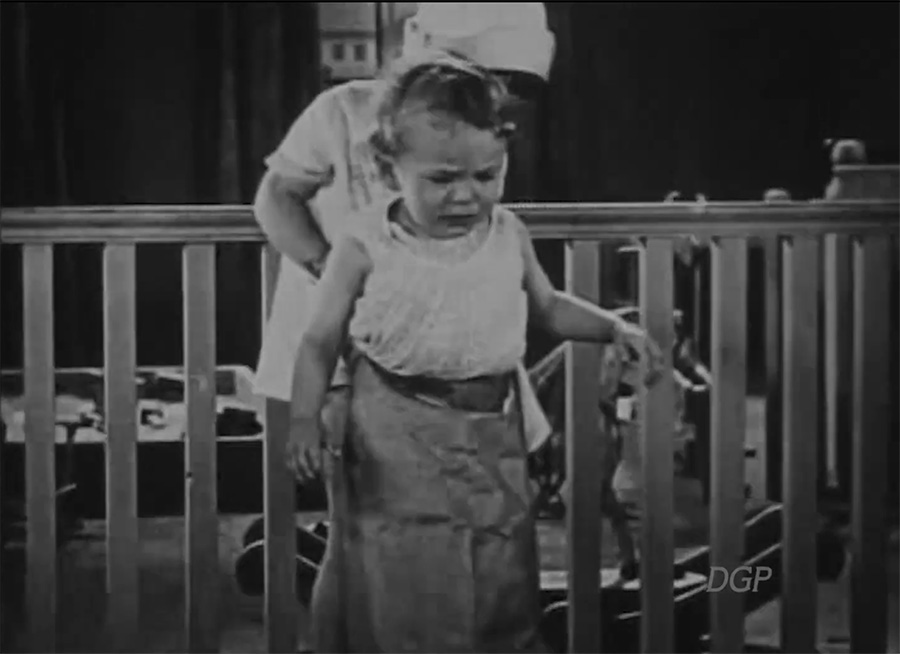
Will the Smiths make up and get their chair? Will Bubbles manage to get away with her felony? See The Bargain Hunt to find out!
I am quite fond of the Smith Family series. It’s a silent era sitcom with the kind of character work and low stakes conflicts that would make the genre a television staple. McKee and Hiatt are fun as Mr. and Mrs. Smith but the main featured player was Mary Ann Jackson. Jackson was transitioning over to Hal Roach’s Our Gang/Rascals at the time and she gamely causes chaos in the daycare area as she attempts to do her own shopping.
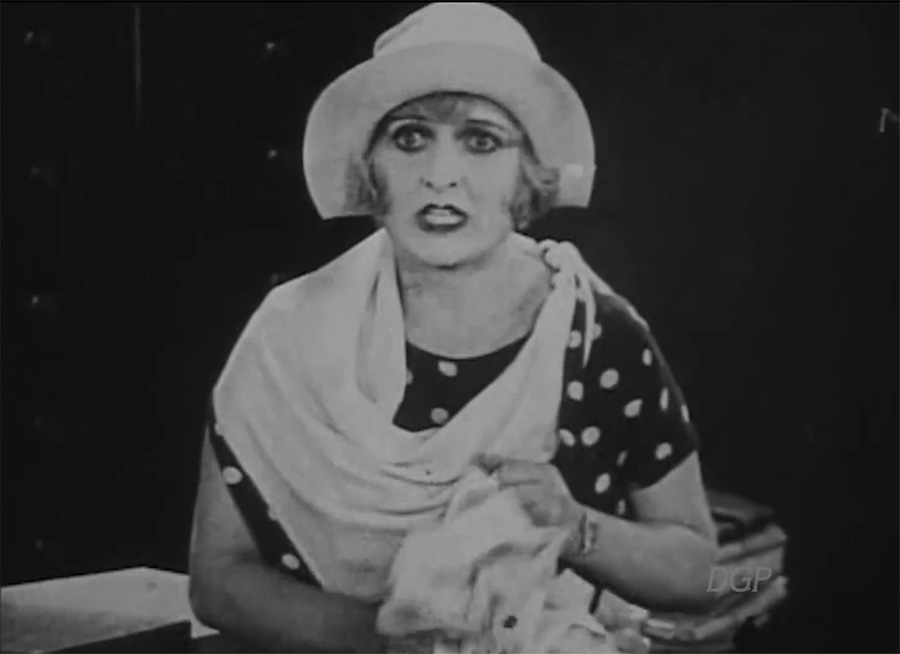
The appeal of department store comedies at the time was being able to see goofy antics in a familiar setting and the appeal of the genre for modern viewers is getting some notion, Hollywoodized to be sure but a notion all the same, of daily life and the types of frustrations that could crop up for the average shopper in the 1920s.
Aggressive bargain hunters! Confusing sale rules! How does a man buy undies for his wife without looking like a creep? And, most of all, how does a little kid deal with an adult telling her she can buy a baby brother when she didn’t actually mean it? With just a bit of rewriting, all of those situations could be just as funny in a modern sitcom and probably have been used recently. (On the rocks though sitcoms are these days.)
I am a sucker for humor derived from kids being literal-minded, so I enjoyed the antics of Bubbles enormously, even if I felt sorry for the small actor who plays her “brother” and who was clearly very unhappy about being in the movies. This is just a light little confection designed to go down smoothly before the feature and it does that perfectly.
The Bargain Hunt was originally released theatrically as a two-reel short in October of 1928 but entered the home movie market almost immediately with Pathe offering a 400-foot version on 16mm available to consumers and institutions in early 1929. At this point, sound films were clearly not a fad and would soon dominate the box office completely but silents were still welcome in home viewing formats and would be for decades to come.
If you like domestic comedies or want to see another side of Sennett, The Bargain Hunt is an excellent choice.
Where can I see it?
The truncated version of this film was uploaded by film collector Dave Glass for free viewing.
☙❦❧
Like what you’re reading? Please consider sponsoring me on Patreon. All patrons will get early previews of upcoming features, exclusive polls and other goodies.
Disclosure: Some links included in this post may be affiliate links and I earn from qualifying purchases.


I see it as Sennet at the time trying to ‘Roach up’ his brand. I am never going to sit through hundreds of early 20s Sennett shorts to buttress the following statement, but I feel that Harry Langdon was the studio’s first success in slowing down the pace of some of the stories to Charlie Chase levels (albeit with greater idiosyncrasies and flights of fancy).
I also enjoy listening to 30s and 40s domestic comedies broadcast on radio, e.g. The Burns and Allen Show, The Goldbergs, My Favorite Husband. They were the exact opposite of the silent versions, with each form demanding in different ways the active participation of the audience’s imagination.