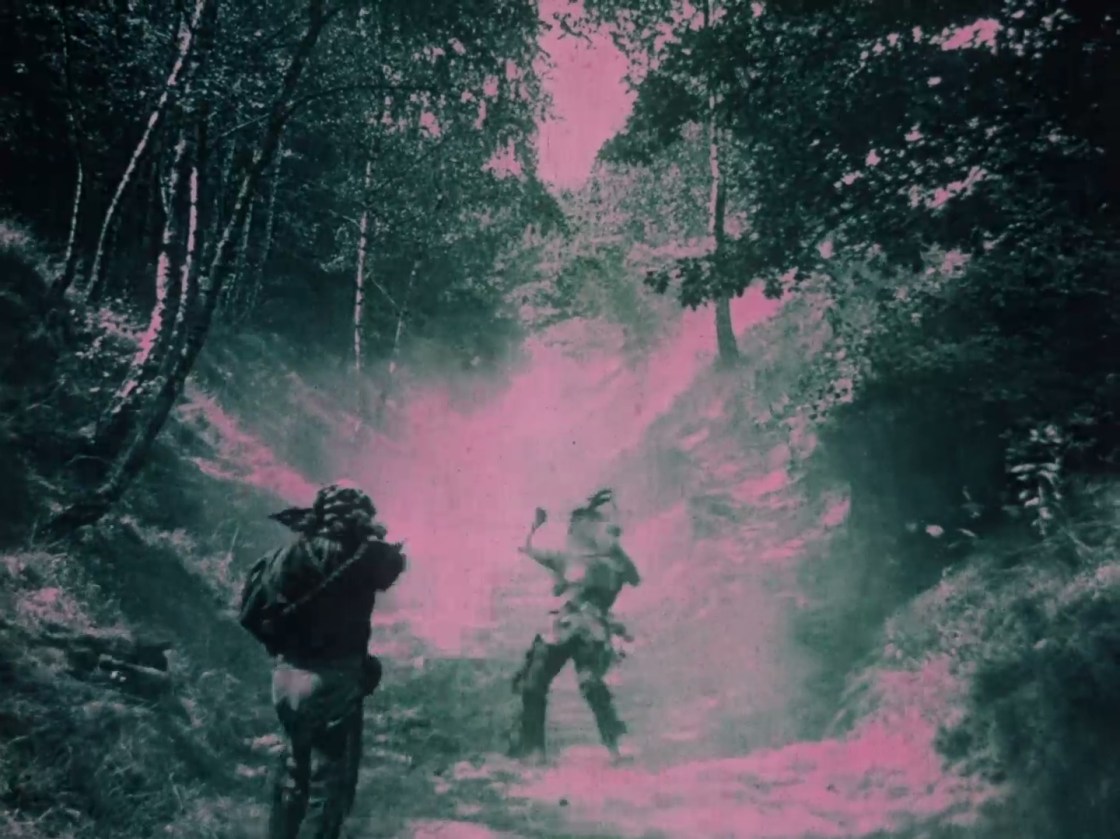
A French take on the wildly popular western genre, featuring a stagecoach attack and the subsequent rescue by cowboys and their trusty poodle.
Home Media Availability: Stream courtesy of the Library of Congress.
To the rip-roarin’, thunderin’, wide-spreadin’ West
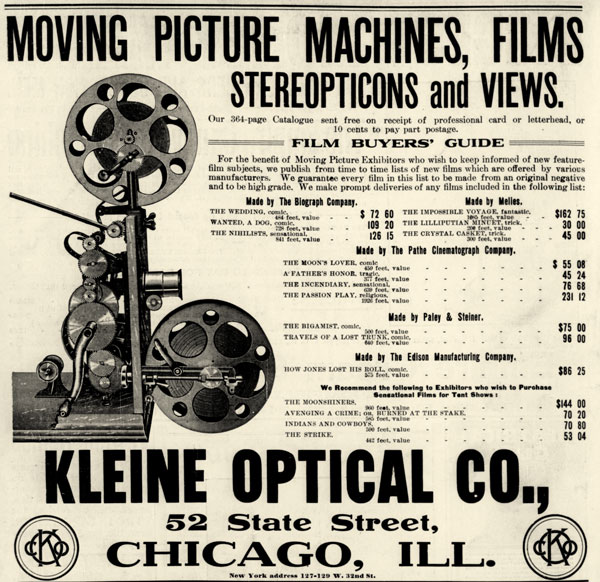
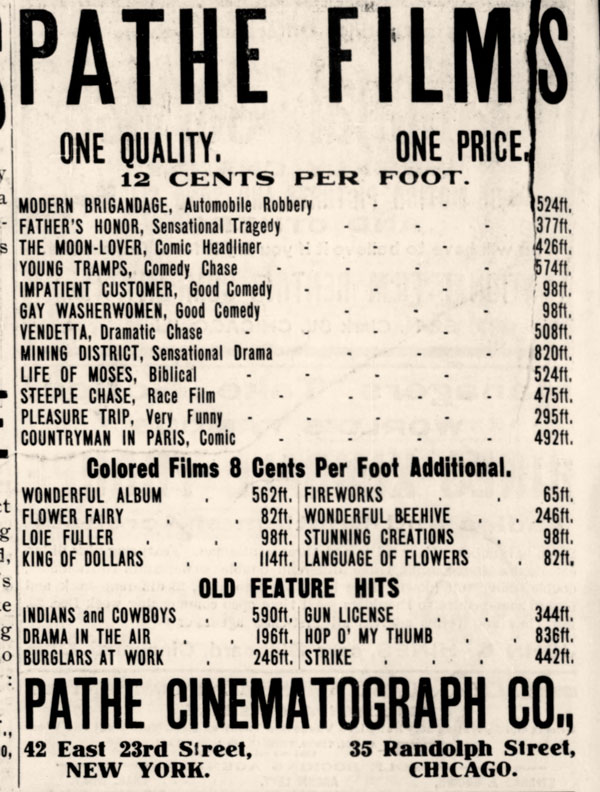
The American west, as portrayed in touring wild west shows, was a pop culture juggernaut around the time movies were invented. France was particularly keen to try its hand at western movies, with the Pathé film Indians and Cow-Boys being one of their earliest attempts. The film was even released in the United States, though I have not been able to locate any contemporary reactions to the Frenchness of the affair.
Because this is very, very French.
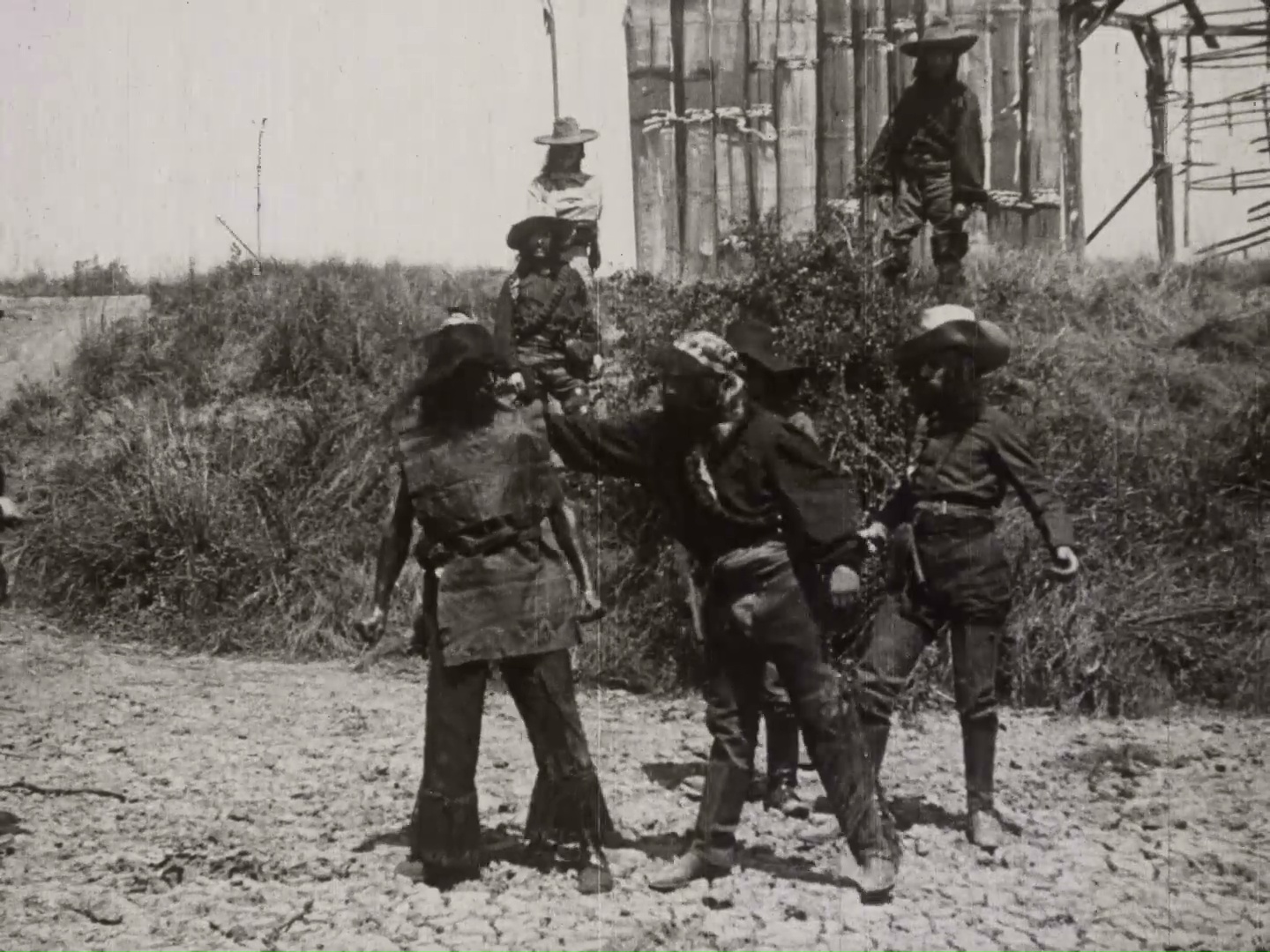
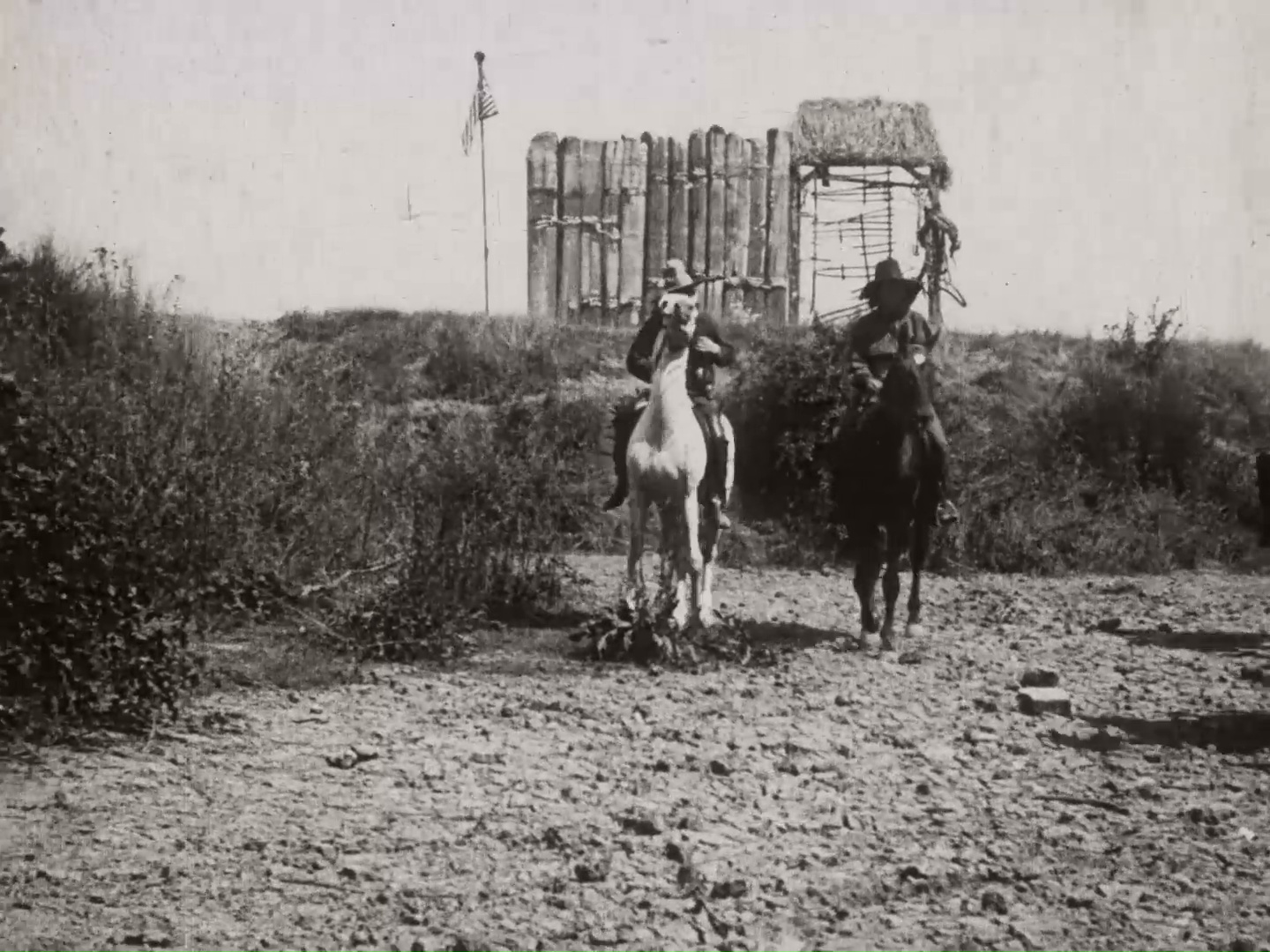
The picture opens with cowboys, dressed as some combination of musketeer, smuggler and Corsican renegade, take time out of their busy schedule of guarding their tiny fort and playing with their poodle in order to punish an “Indian Marauder” who wears fetching fringed bell bottoms and a bad wig. They flog the marauder with a belt and then let him go. The marauder shakes his fist at them and vows revenge.
The cowboys send off a family in a stagecoach (much kissing on tow cheeks, oui oui) and the marauder watches from the roof. He shakes his fist and sneaks past the cowboys to conduct his revenge. (A major flaw in films of this period is a complete lack of peripheral vision as the marauder is within two feet of the cowboy at certain points. That said, this scene is a good example of early camera movement as there is a smooth panning shot following the marauder as he sneaks away.)
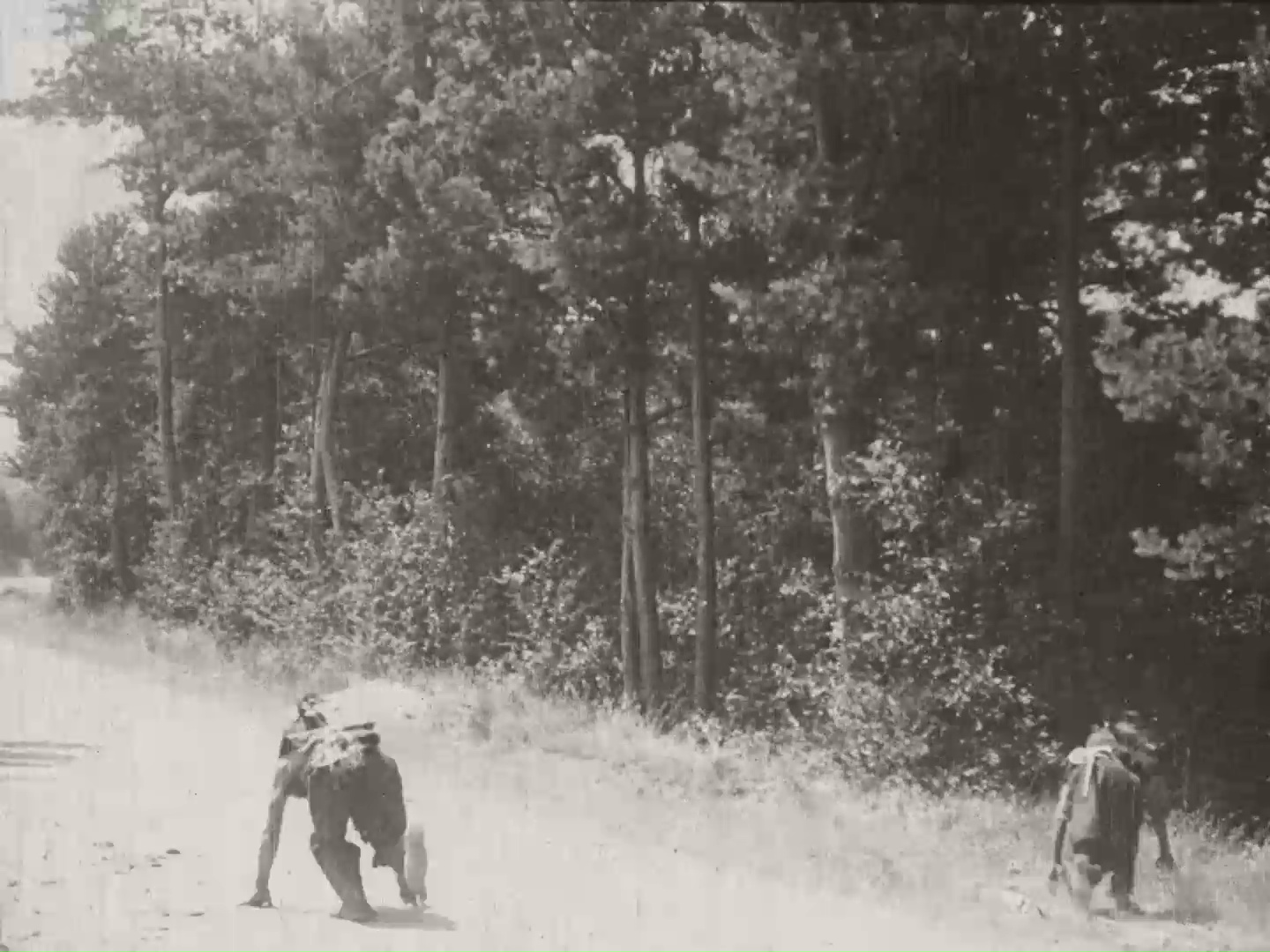
The marauder gathers his friends and they crawl along… the open road? In broad daylight? Surely the point of crawling is to do so under some form of cover? (Indigenous people were always crawling about in a sneaky manner before attacking in both fiction and news accounts of the nineteenth century, so presumably the filmmakers failed to realize any context for this behavior.) Anyway, they shoot everyone in the stage except for a young woman and little girl, whom they abduct.
The cowboys are once more busy guarding their two linear meters of fort and playing with their poodle when word of the outrage arrives. So, they ride off to the rescue (with a smooth horizontal pan and a less-smooth vertical one following the action), shooting everything that moves along the way. Meanwhile, the young woman is being propositioned by one of her captors and she slaps him in the face. As retribution, they tie her to a totem pole and…
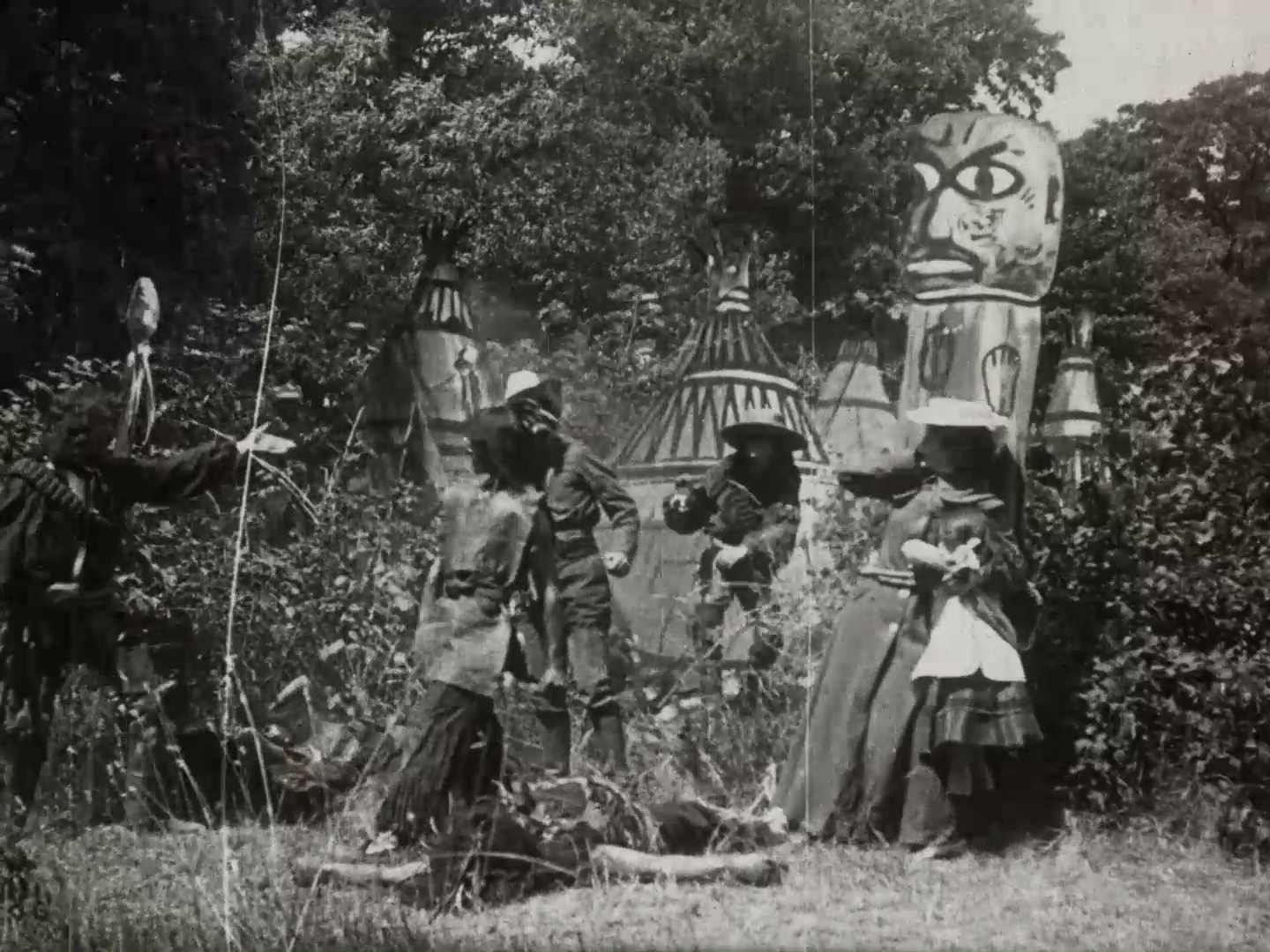
Wait a minute, the tepee is meant to be taken down and moved but a totem pole is a whole tree kind of affair and quite heavy, so why would they… (They are also taken from two totally different cultures and geographic locations.)
There is a just-in-time rescue, of course, and the original marauder is shot, despite being an unarmed prisoner. No word on the fate of the poodle but they probably would be better off if they left it in charge.
Well, that was a very silly picture indeed and has long been acknowledged for its extreme racism. The Cowboys and Indians style of storytelling always uses the same narrative hook: the settlers are minding their own business when, unprovoked, some Indigenous nation or other attacks the fort, homestead, wagon train or stagecoach for no reason at all! Who can reason with such savagery! This naturally ignores incursions into the sovereign (and frequently treaty-granted) territory of these nations, the constant take-backsies on the part of the United States government, and the violence meted out against the “savages” by the allegedly civilized pioneers.
(I cover the “Indian massacre” narrative in my review of Custer’s Last Fight, historical treaty shenanigans in my review of Braveheart, and abuses at Indian schools in my review of Redskin.)
Portrayals of authentic Indigenous culture became more popular in North America as the 1900s continued and into the 1910s but, generally, the heroic Indigenous characters were required to nobly sacrifice their lives to save the white characters. You can see examples of this in The Squaw Man and In the Days of the Thundering Herd, both of which feature Winnebago actress Red Wing making the ultimate sacrifice to assure the happiness of the white man she loves.
This self-sacrifice trope can be tied to the “vanishing race” myth, which portrays good Indigenous characters as understanding that the days of the Elves, er, Native Americans have ended and they must vanish into the west and leave Middle Earth, um, Missouri and Arizona for their “rightful” owners, the white settlers. The Last of the Mohicans? Sir, Mohicans live in Wisconsin right now.
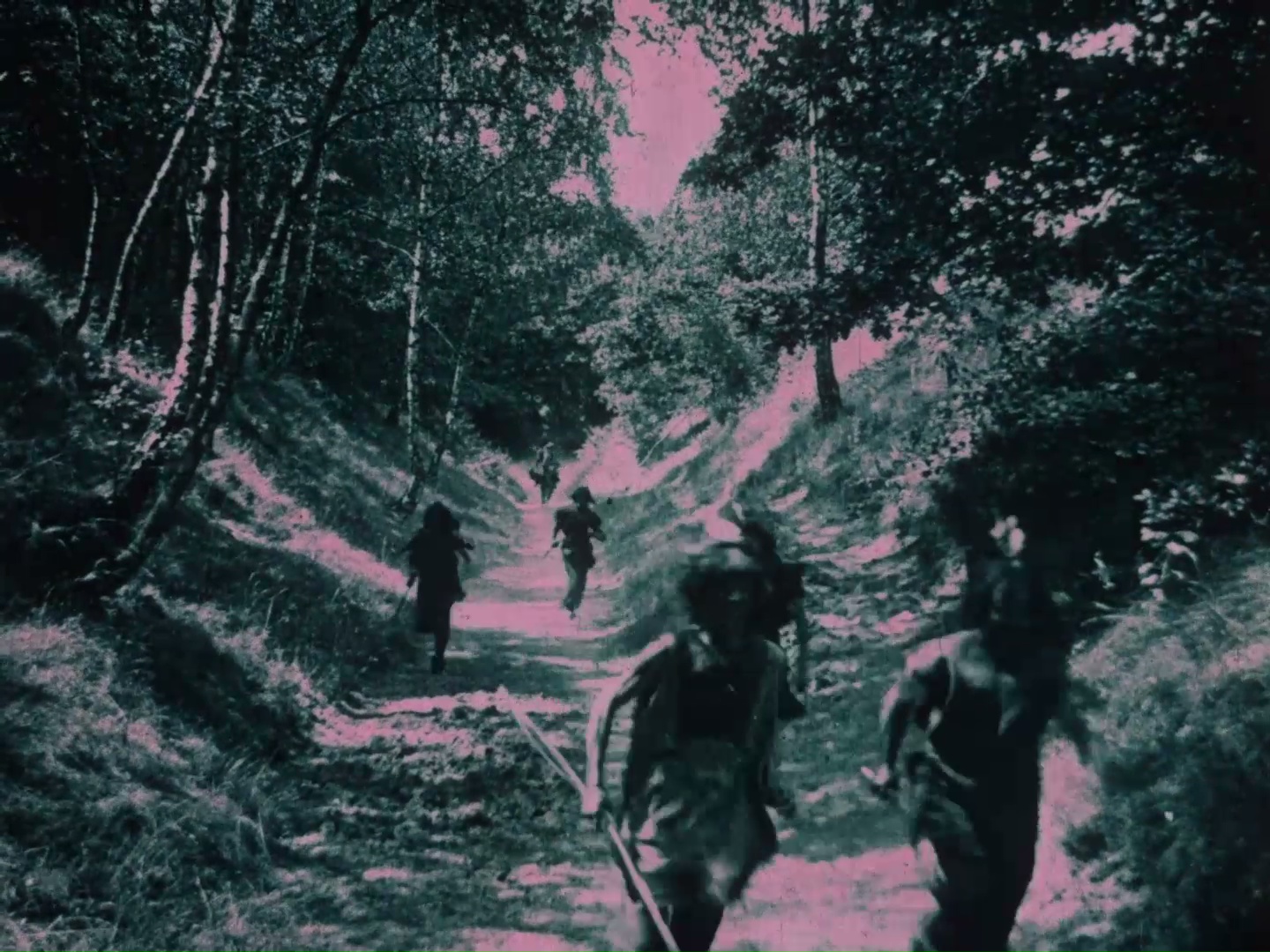
The director and cinematographer of Indians and Cow-Boys are not listed (which is not unusual for films of this period) but on a visual technical level, the film is well-made. Obviously, the silly “no peripheral vision” scenes detract from the suspense but they were typical at a time when film took many directions from stage and used long shots to capture all the action at once. Still, the use of a dramatic pan this early is interesting to see and the film is also beautifully tinted. The chase scene at the finale is particularly lovely in its shades, with a teal tint and pink tone to convey a forest at daybreak.
The sets, costumes and even the behavior of the performers reads as extremely French to the point of humor but that in itself is not a dealbreaker for me. Part of the pleasure of a non-North American western is seeing the shoe on the other foot. All Hollywood Parisian films shot in California with an entirely American cast, for example. That being said, this movie isn’t too good by any measure. There is little suspense or buildup (and it can be argued that French cinema pioneered these things).
I don’t think there is any major movement to add Indians and Cow-Boys to any canon and the film sunk into obscurity after the 1900s. I liked seeing the pan in use this early in cinema history and some of the goofier sequences elicited a chuckle or two but this is definitely one of those “historical purposes only” films. I will steal that pink and teal color scheme for something, though. For a better introduction to the French western, the demented and violent Railway of Death is always a good choice.
Where can I see it?
Stream for free courtesy of the Library of Congress.
☙❦❧
Like what you’re reading? Please consider sponsoring me on Patreon. All patrons will get early previews of upcoming features, exclusive polls and other goodies.
Disclosure: Some links included in this post may be affiliate links and I earn from qualifying purchases.

