
The lives and loves of a group of single Swedish women rooming together in Stockholm. They must deal with money woes, handsy bosses, labor organizing and more as they support one another.
Home Media Availability: Stream courtesy of the Swedish Film Institute.
Nine to Five
The rise of cinema coincided with the rise of women taking employment in the business world and it was inevitable that secretaries, stenogs, clerks and typists would be featured onscreen. And with employment came problems: making the rent, getting a fair wage and how to deal with the boss who is a little too friendly.
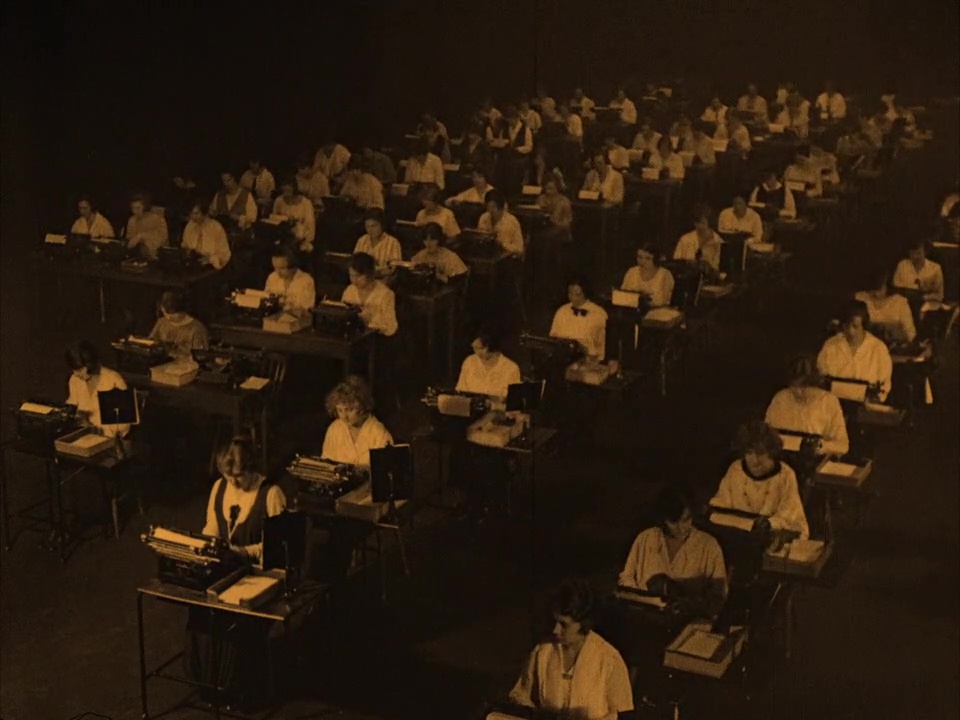
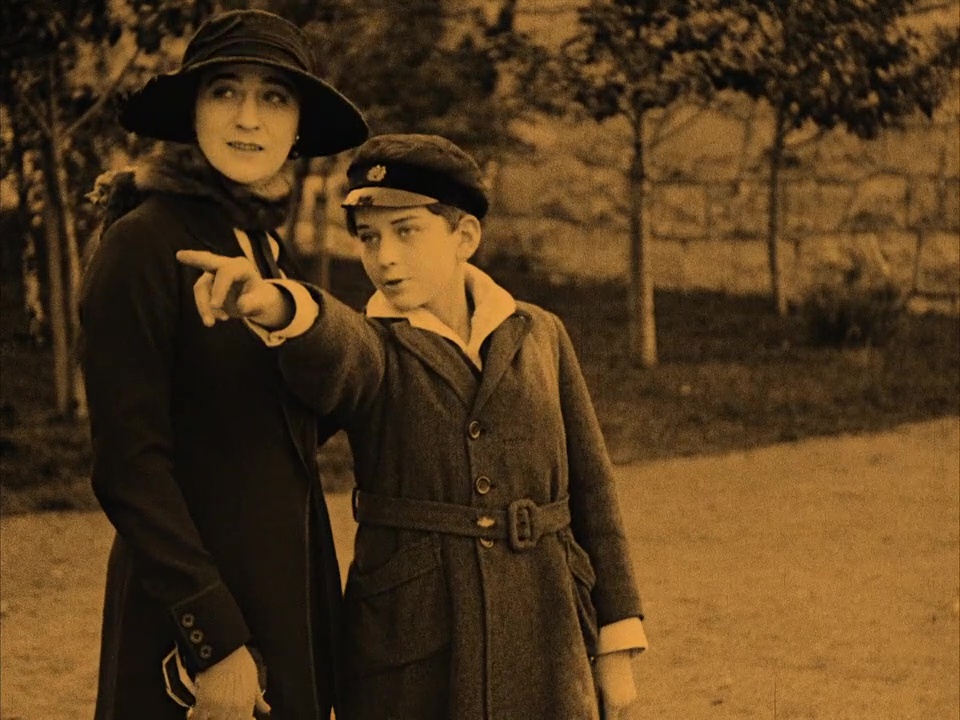
The Norrtull Gang is loosely set in 1900s Stockholm—like many 1920s recent history films, it barely tips its hat to period costuming—and follows Pegg (Tora Teje), an executive assistant at United Imports who has been unlucky in love, is considered a spinster at twenty-five and is caring for her 13-year-old kid brother, Putte (Lauritz Faulk).
Pegg rooms with three other working singles, the gang: sensible Eva (Renée Björling), who works for a mortician in order to avoid sexual harassment, pragmatic Emmy (Linnéa Hillberg), who is in domestic service, and Baby (Inga Tidblad), a provincial teen in the big city who works at United Imports as a cashier.
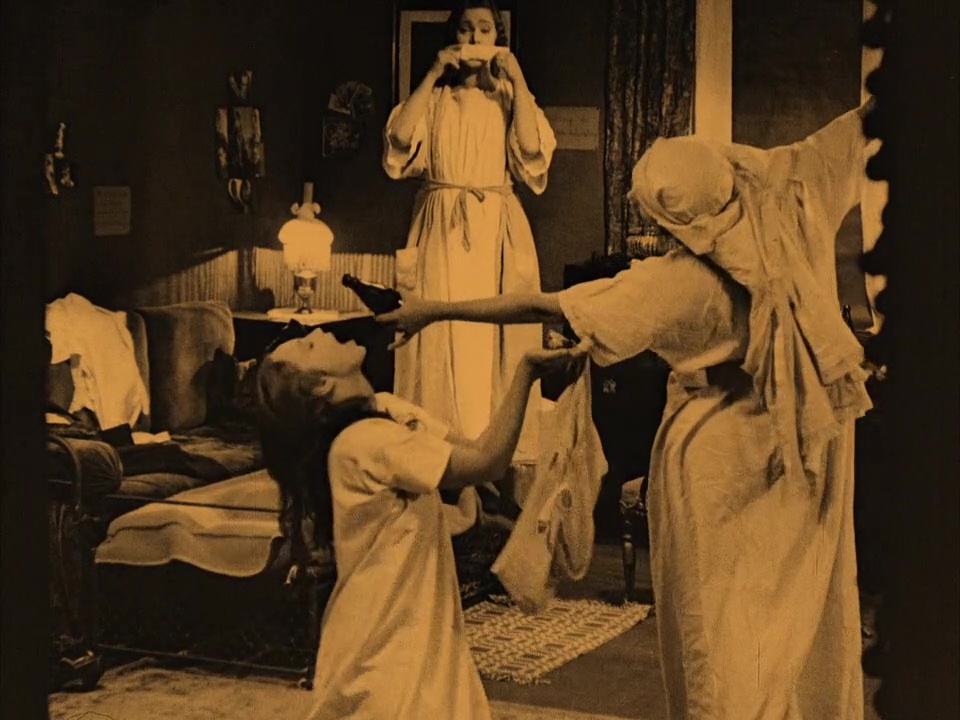
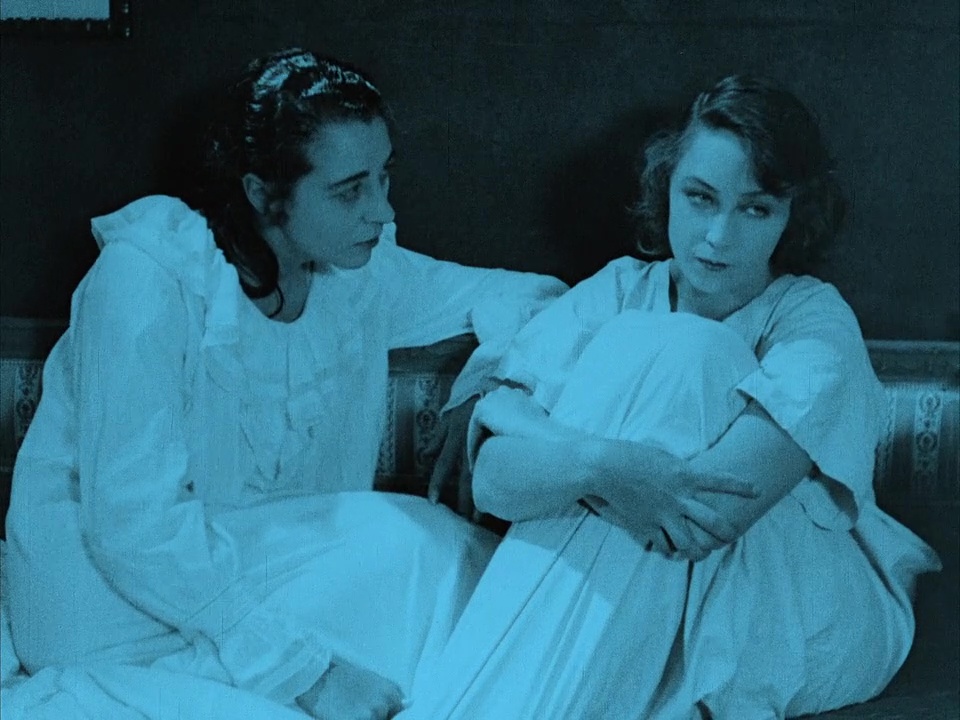
The young women don’t have a cent to spare but they are happy together and spend their evenings in serene sisterhood, reading poetry. These scenes are where director Per Lindberg’s gentle, understated style shines. It’s not often that you see a film directed by a man portraying the intimate, less-dressed moments of a group of young women in a respectful, non-leering manner. In fact, the film is marked by a distinct lack of the male gaze. Believe me, I have seen more than my share of movie women dressed in satin teddies and step-ins “for story reasons” in silent films.
Well, their evenings would be serene, if not for the antics of their peeping tom landlord’s son, “the Notary” (a very young Nils Asther), who constantly tries to spy on the roommates as they attempt to relax. Pegg, Eva and Emmy have his number but Baby is susceptible to his brand of snake oil until she catches him selling same to another woman.
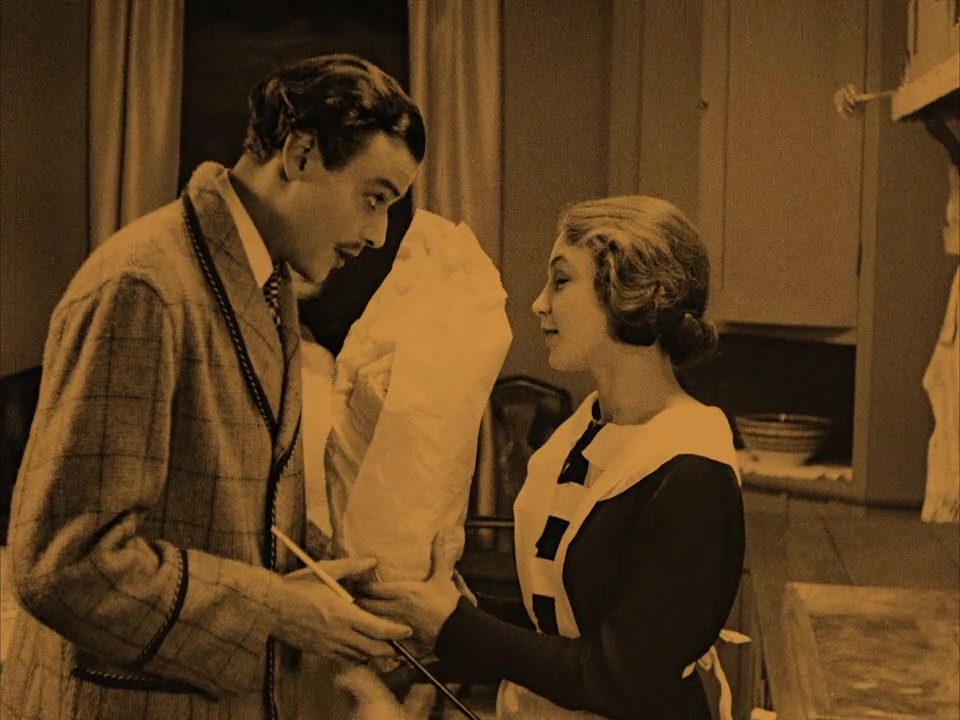
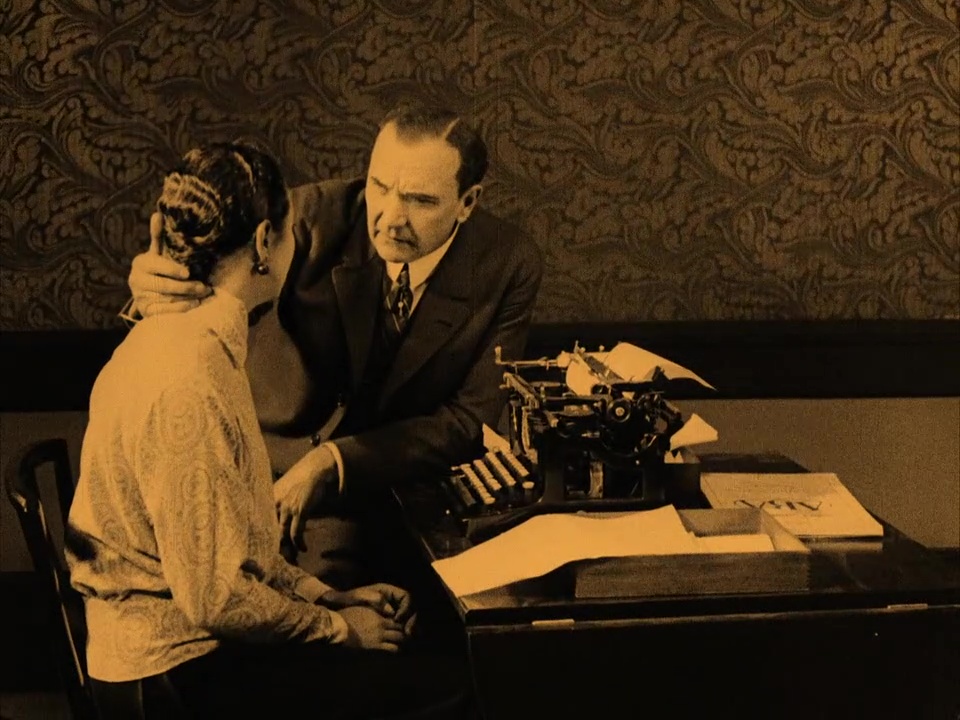
Pegg is being pursued by her much older boss (Eigil Eide), who is under the false impression that Putte is a youthful “mistake” and therefore Pegg is a woman whom one does not have to marry, if you catch my drift.
Pegg needs to buy new winter clothing for her rapidly growing brother but doesn’t have the money and her boss will not give her an advance, only a personal loan. She is able to get the money by taking in sewing for her wealthy aunt and cousin—the aunt is of the bootstrapping persuasion—and the gang holds a sewing circle that quickly morphs into a union meeting. Baby is entranced with labor rights and embraces the cause.

United Imports engages in a bit of union busting and fires all the members of the sewing circle who talked of striking. As the youngest, Baby is going to be spared but she defiantly announces that she is as guilty as everyone else. She then dissolves into tears back at the flat because not only has she been fired, her drawer was short. Pegg promises to get the money but her aunt refuses to help because young people, personal responsibility, etc. etc.
While walking home from her aunt’s home, Pegg worries about what to do; she can’t return to Baby emptyhanded. A drunk starts to harass her but Pegg’s boss shows up and saves her. He takes her to dinner and she decides to swallow her pride and ask for the money for Baby. Her boss puts the money in an envelope and walks Pegg home. He tries to force his way inside, she refuses but then kisses him on the doorstep.

And now everything is just awkward. Pegg has taken money from her boss, he is going to have certain expectations and Pegg herself is confused about her own feelings for him. And things aren’t great with the gang either, as Emmy’s health had deteriorated and she has been hospitalized and the Notary is hanging around Baby again.
Will the gang survive to the new year? Is love in the air? Or will it all come crashing down? See The Norrtull Gang to find out!
A major area of interest for silent film nerds is the way this picture uses title cards. Most silent films have third person narrative title cards (“Meanwhile, back at the ranch”) and dialogue cards (“And the killer is… you, Jeeves!”). However, The Norrtull Gang is narrated in the first person with what seems to be direct passages from the source novel. The result is an intimate tone that feels like a conversation with a friend.
Silent movies tended to wear their literary references on their sleeves, particularly those with a prestigious author, and directly quoting their source material was not unusual, though maintaining first person narration throughout was. (From contemporary descriptions, the lost 1928 Raoul Walsh silent film Me, Gangster used title cards for first person narration in a similar manner to The Norrtull Gang, though it is highly unlikely that it was directly inspired by it.)
While Pegg is the narrator and center of the story, the film really hinges on Baby and Putte. Both characters inspire the others to make sacrifices for them and if they were not likable and interesting, the story would have fallen apart. Fortunately, Inga Tidblad is charming as the naïve, sweet, silly Baby and Lauritz Falk perfectly conveys the combination of snot-nosed mischief and adorability needed in a kid brother role.
As stated earlier, The Norrtull Gang worked with material that was quite popular worldwide during the silent era. The issue of sexual harassment by the boss was particularly well-covered, with Norma Talmadge donning a dowdy disguise to avoid being hit on at work in the 1918 comedy The Social Secretary (a gag that would be revived fifty years later and be just as timely in the SCTV sketch comedy show).
Gloria Swanson can’t hide her beauty in Manhandled—she has a department store counter to man—but she sasses the obnoxious Arthur Housman for his crude attentions. However, the not-so-secret rule was that the passes of a young and handsome boss were not objectionable, as we see in pictures like IT (1927).
Pegg’s boss being visibly older than her breaks this contract with the silent film audience, as does his rather boorish behavior in between spurts of generosity. (Is it generosity?) Likewise, the Notary gets back into Baby’s good graces without any requisite apologies and while the rest of the gang still dislikes him, he looks to be back on the path to romance. This is authentic behavior in a patriarchal society but the framing as a happy ending (at least in the case of Pegg’s boss winning her over) is ultimately a bit disappointing.

There are non-American precedents, such as the 1918 Rosa Porten romantic-comedy Wanda’s Trick, which concerns romance in a German cigarette factory. The boss dates one of his employees and, like Pegg’s boss, views her as someone one needn’t marry. However, Wanda quickly turns the tables and ends up as both his business partner and wife, forcing penance for his previous dishonorable intentions.
Again, The Norrtull Gang is more realistic but the happiness at the end clashes with the smart, sensitive tone of the film overall. It feels as though, perhaps, the creative team was at odds with studio demands for a nice little ending wrapped with a bow. Unfortunately, I could not find the source novel by Elin Wägner in English but it apparently had a less merry resolution that likely would have been more satisfying, given the film’s melancholy and playfully ironic tone.

I feel that this change to give the movie a bit more fairy dust is as much a memento of the time and place it was made as the costumes and acting styles. Happy endings were not always demanded and delivered in the silent era but studios did default to joy when they could: leave the customers smiling and coming back for more.
I’ve already singled out Lauritz and Tidblad for praise but the acting is excellent across the board. This film could have so easily sunk into the twee but Lindberg’s steady hand and the charm of his cast keeps it all shipshape. Tora Teje has wonderfully expressive eyes that keep the viewer emotionally engaged even when she is standing still.

The film is also an example of failing the Reverse Bechdel Test: there isn’t more than one man with a name—only Putte is granted one—and they don’t talk about anything but the women. The times and the studio may have demanded romance but at its core, this is a story of sisterhood with the older members of the gang like Pegg and Eva taking care of the younger.
This is a soft, gentle film about characters and feelings instead of big happenings. Despite a compromise ending (and it wouldn’t be the first or the last), The Norrtull Gang is a highly successful portrayal of female friendship and the struggles of women in the early twentieth century. It’s well worth seeing, especially in contrast to the more extravagant Swedish silent fare that gets heavier play in film fan circles.
Where can I see it?
Stream for free with English subtitles courtesy of the Swedish Film Institute with a piano score by Lotta Hasselquist Nilsson.
☙❦❧
Like what you’re reading? Please consider sponsoring me on Patreon. All patrons will get early previews of upcoming features, exclusive polls and other goodies.
Disclosure: Some links included in this post may be affiliate links to products sold by Amazon and as an Amazon Associate I earn from qualifying purchases.
 Movies Silently
Lovely looking film. Maybe the ending was a bit too conveniently happy. I keep thinking of poor Emmy still in hospital. But I enjoyed it very much and I’m glad I watched it. Many thanks for highlighting this film and for your excellent review.
Yes, it’s a very well-done film. A Swedish reader was kind enough to fill me in on the original ending: Pegg leaves Stockholm for harder but more honest domestic work (the work that broke poor Emmy’s back) outside the city. This seems a lot truer to her straight arrow nature instead of marrying her oily boss but it’s not exactly happy.
No it’s not very happy is it. Thank you so much for letting me know about the original ending.