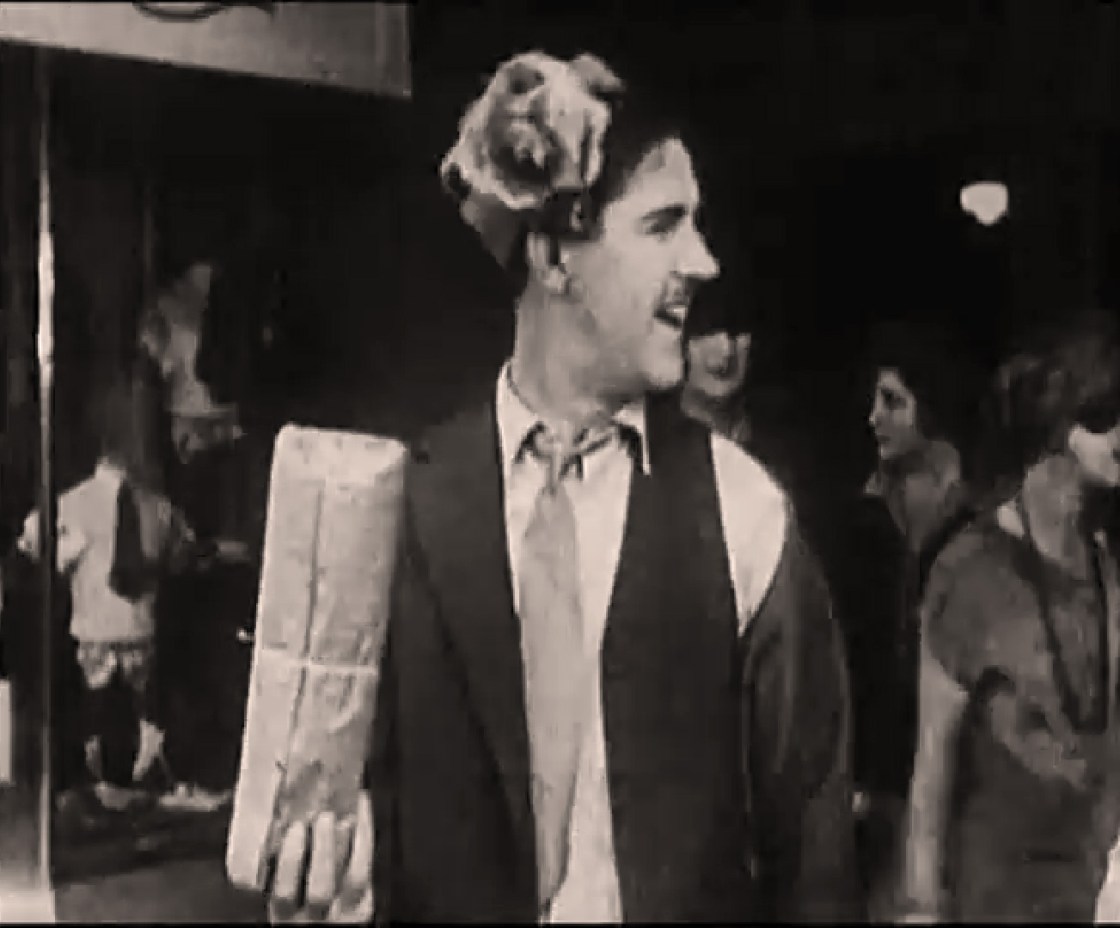
Charley Chase gets more than he bargained for when he meets Martha Sleeper, a madcap heiress with a passion for shopping and a father who wrote when he should have telephoned. Oliver Hardy and Eugene Pallette appear in supporting roles as a cop and a gangster.
Home Media Availability: Released on DVD.
Ladies’ Night
Comedy is very much a matter of personal taste and silent film fans are passionate for their favorites but for me, the comedian who delivers the most laughs is Charley Chase. His short films for Hal Roach are delightful little confections and a large part of their appeal is due to Chase’s chemistry with his co-stars.
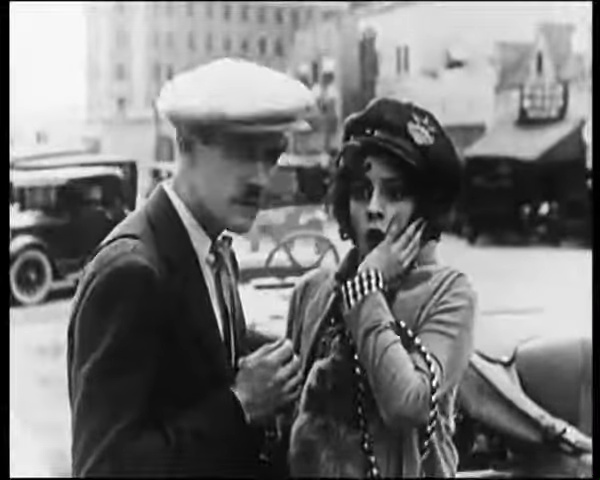
Martha Sleeper was a newcomer still in her teens but she quickly became a top leading lady on the Hal Roach lot and her collaborations with Chase are particularly appealing. She appeared in some of my favorite titles: Long Fliv the King, Bromeo and Juliet, Crazy Like a Fox and Mum’s the Word. Her vivacious dingbat persona married beautifully with Chase’s madcap schemes.
Fluttering Hearts has all the ingredients for success. (Spoiler: it’s a great favorite of mine.) We have Chase and Sleeper, plus Oliver Hardy and Eugene Pallette, title cards by the venerable Beanie Walker and James Parrott, Charley’s brother who used the real family surname, in the director’s chair.
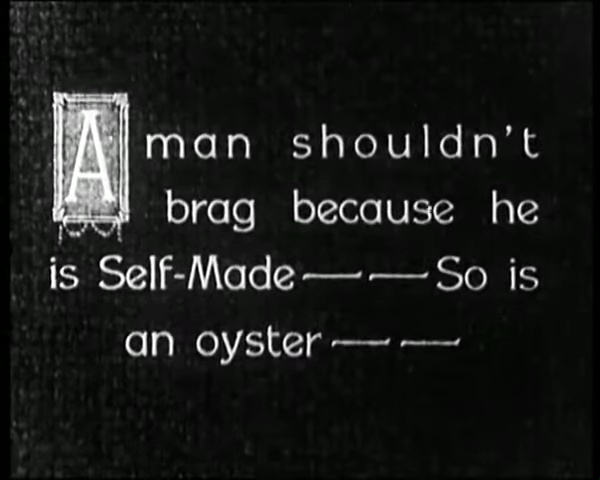
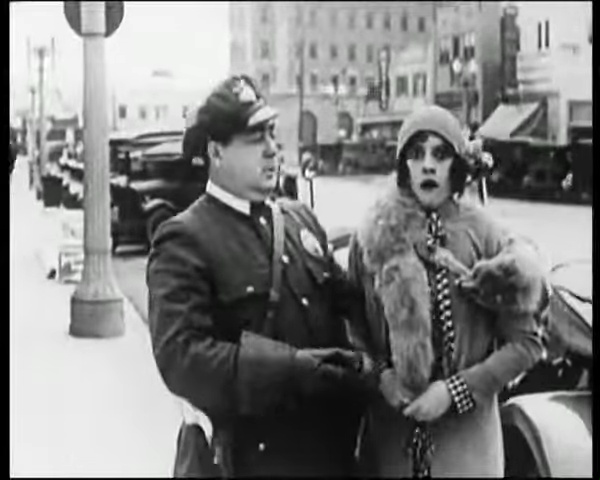
Sleeper plays an heiress whose father (William Burress) wants her to stay away from lounge lizards and marry a self-made millionaire. Sleeper would have listened to her dad—but she sees a white sale ad in the newspaper. Sheets, 86 cents a set! She roars off in her car, speeding past Charley Chase, self-made millionaire, and a traffic cop (Pallette).
The men decide to pursue this scofflaw and they catch up with her outside the department store holding the sale. She quickly charms them into helping her evade the sale’s “one set to a customer” limit and the trio dive into the scrum, battling it out with fellow shoppers for those sheets. This doesn’t endear Pallette to his sergeant but Sleeper and Chase hit it off. She tells him her father hates the idle rich, so Chase takes a job as the family chauffeur.
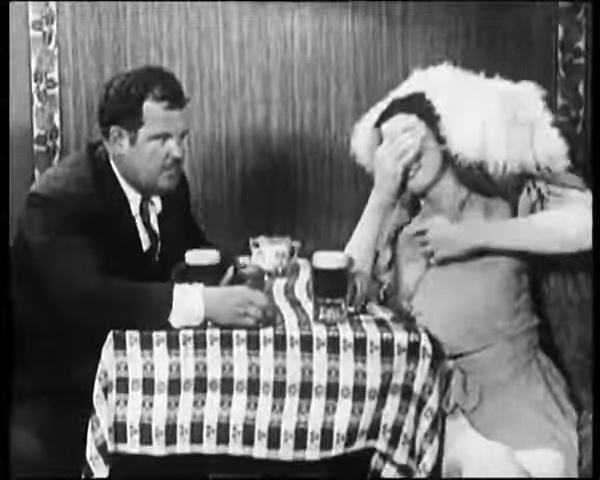
Unfortunately, Sleeper’s father is on the brink of ruin. He wrote some incriminating letters and they have fallen into the hands of Big Bill (Hardy), who is demanding money… or else. Chase volunteers to reclaim the letters but the speakeasy where Bill wants to meet has a ladies’ night policy and won’t let men inside without a woman. Father tries to pass himself off but is thrown out and chased by the police instead.
Chase quickly improvises a date with a mannequin (she’s not moving much because she’s drunk!) and sets about seducing Bill in a cozy little booth. Meanwhile, Sleeper has gone slumming and shows up at the speakeasy with her rich friends hoping for a good time. What could possibly go wrong with this setup?
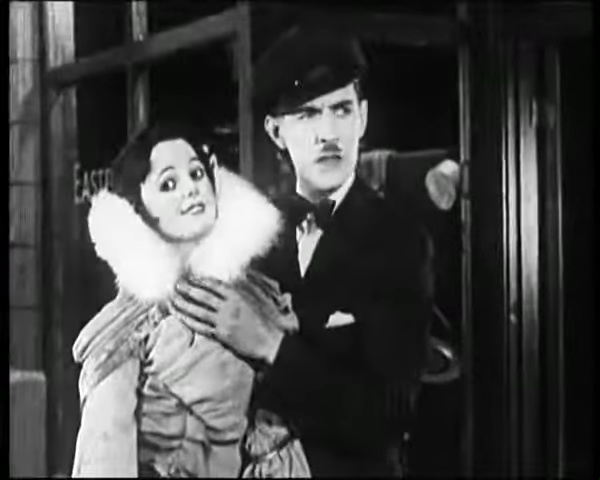
Fluttering Hearts is one of those two-reel silent comedies that feels like it is two one-reelers linked together. Other than the presence of Chase and Sleeper to link them, the two acts of the picture have very little in common besides cheeky chaos. I am a little bit backwards from the majority opinion on this short. Generally speaking, the second half is more heavily praised than the first due to its more subversive action and the presence of Oliver Hardy.
I do think how viewers interact with Fluttering Hearts depends very much on why they are watching it. People wanting to watch a silent comedy generally or fans of Chase or Hal Roach will probably like it a lot more than Laurel and Hardy completists who must wait ten minutes for Ollie to show up.
Similar issues have arisen with other silent films with big names in supporting roles. For example, The Monster has no household name stars for the modern audience except for Lon Chaney and he doesn’t make his appearance until halfway through the picture. Anyone watching just for Chaney is bound to be a bit irritated but if you’re watching it as an Old Dark House comedy, as I was, you will find a lot to enjoy even factoring in Lon’s late entrance.
I love Laurel and Hardy and enjoy seeking out their solo work but the white sale bit is a wonderful bit of timeless comedy. Door busters as a sales gimmick remain as wild today as they were in the twenties and anyone who has been forced to shop on Black Friday (or whatever your national equivalent is) can surely relate to the woes of Chase, Sleeper and Pallette.
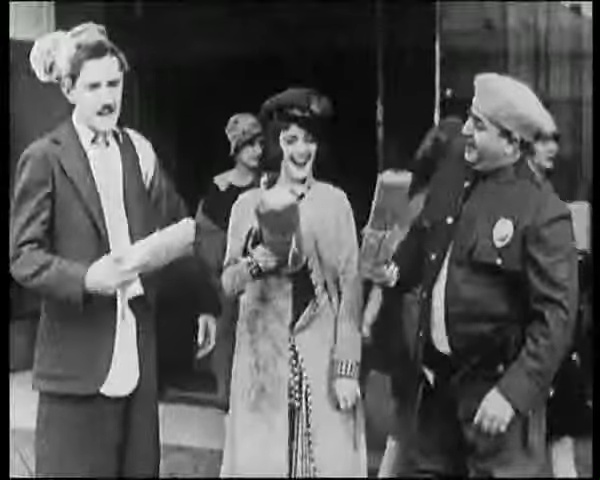
These scenes are also funny because they are shot in a way that echoes the orgy sequences so beloved in silent epics and most associated with Cecil B. DeMille (Manslaughter, for example). The Parrott boys were well aware of pop culture and such references would be very much in their wheelhouse. The retail riot/bacchanalia parallels are emphasized with Chase being propositioned by a fellow shopper and Pallette literally losing his shirt.
So, when our bargain hunting trio stagger out of the department store with all disheveled and with swapped clothing, it’s a naughty punchline but also a humorous juxtaposition of Hollywood fantasy and mundane retail skirmishing. That kind of thing slays me every time.
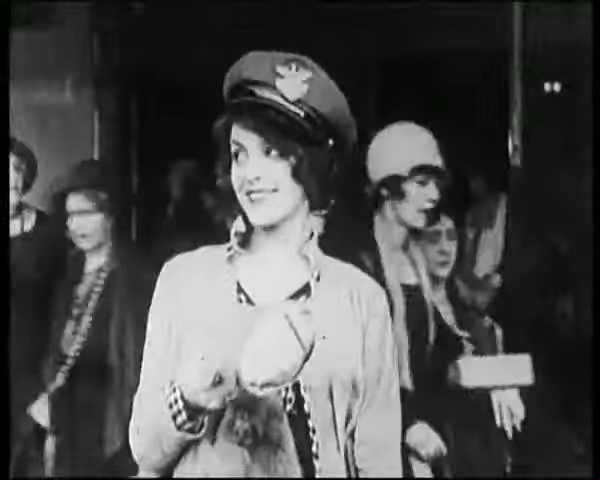
I have to admit, though, that for one brief moment, I wished this sequence had been a sound movie because Eugene Pallette’s froggy voice delivering “Gimmie a sheet! In the name of the law!” would have been comedy gold.
The speakeasy sequence, of course, has a more obvious Roaring Twenties vibe with its slide entrance, illicit liquor, crossdressing and the final punchline of Chase trying to retrieve the letter from what he thinks is the brassiere of the mannequin. (This is not shown at all but Chase and Sleeper tell the whole story with gestures. Pantomime comedy at its finest!) Hardy is typically funny as the dense and greedy Big Bill and his attempts to seduce Chase/Mannequin become increasingly, comically desperate.
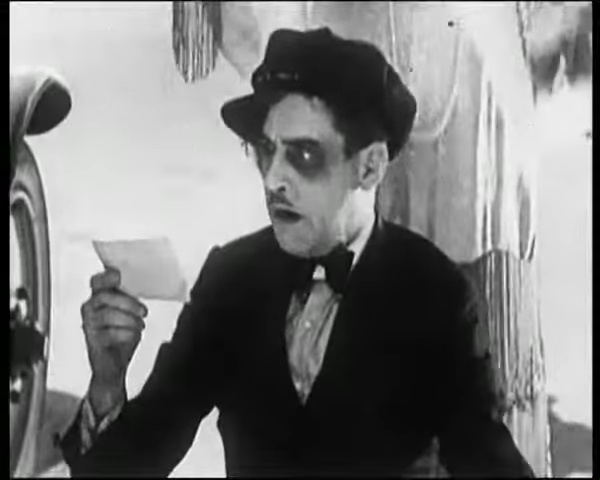
Chase does a lot of the heavy lifting with his puppetry seduction of Hardy but Sleeper gets her licks in when she takes the mannequin’s place, gamely allowing herself to be carried around with her legs straight out. (The mannequin was clearly substituted in some of the rougher sequences, such as when it is tossed through a window.)
By the way, the “unless accompanied by a lady” rule of the speakeasy was relatively common and pre-dated Prohibition. Ladies’ nights, women-and-couples sections, leap year gimmicks, and so forth featured prominently into advertising. Women were seen to class up a joint (for example, early movie distributors aggressively courted the patronage of women at a time when films were seen as coarse and low), the rule brought in more women patrons (and money) by encouraging men to find a partner for the evening, and the presence of women was used to attract even more male patrons.
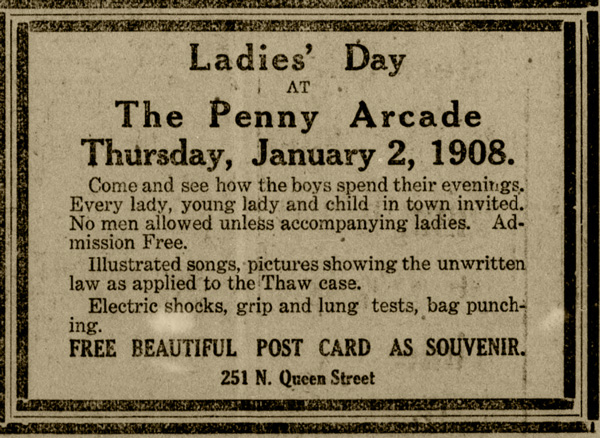
(On the other hand, the “unless accompanied by a gentleman” rule at entertainment facilities was generally used to deny entrance to suspected prostitutes—with all single women swept along.)
I know it’s a bit structurally awkward but I love Fluttering Hearts to pieces. Both halves are hilarious and Sleeper once again shows herself the equal to any of the Hal Roach boys. I enjoyed Hardy’s heavy, of course, but was also enormously entertained by Pallette. And, of course, Chase’s energy is the glue that holds it all together.
Where can I see it?
Released on DVD as part of The Slapstick Encyclopedia.
☙❦❧
Like what you’re reading? Please consider sponsoring me on Patreon. All patrons will get early previews of upcoming features, exclusive polls and other goodies.
Disclosure: Some links included in this post may be affiliate links to products sold by Amazon and as an Amazon Associate I earn from qualifying purchases.
 Movies Silently
What a coincidence as I just watched this film last week on my Slapstick Encyclopedia set 😄 It truly is a charmer and I was laughing all the way through it. Top notch cast and fun plot for sure. As a side note, I have a distant relative who was also an actor and was married to Martha Sleeper in the 1930s. She had such charisma and a real comedic flair!
It’s so cute and so is she!
I’ve heard of Charley Chase, but I’ve never seen one of his films or shorts. I would definitely like to see this one! Thank you for introducing me!
— Karen
I hope you enjoy!
Very funny film. I also like the fact that Charley gives plenty of screen time to his female co-stars in all his films. Vivien Oakland, Katherine Grant, and Martha Sleeper are absolutely hilarious. Many thanks for your entertaining review.