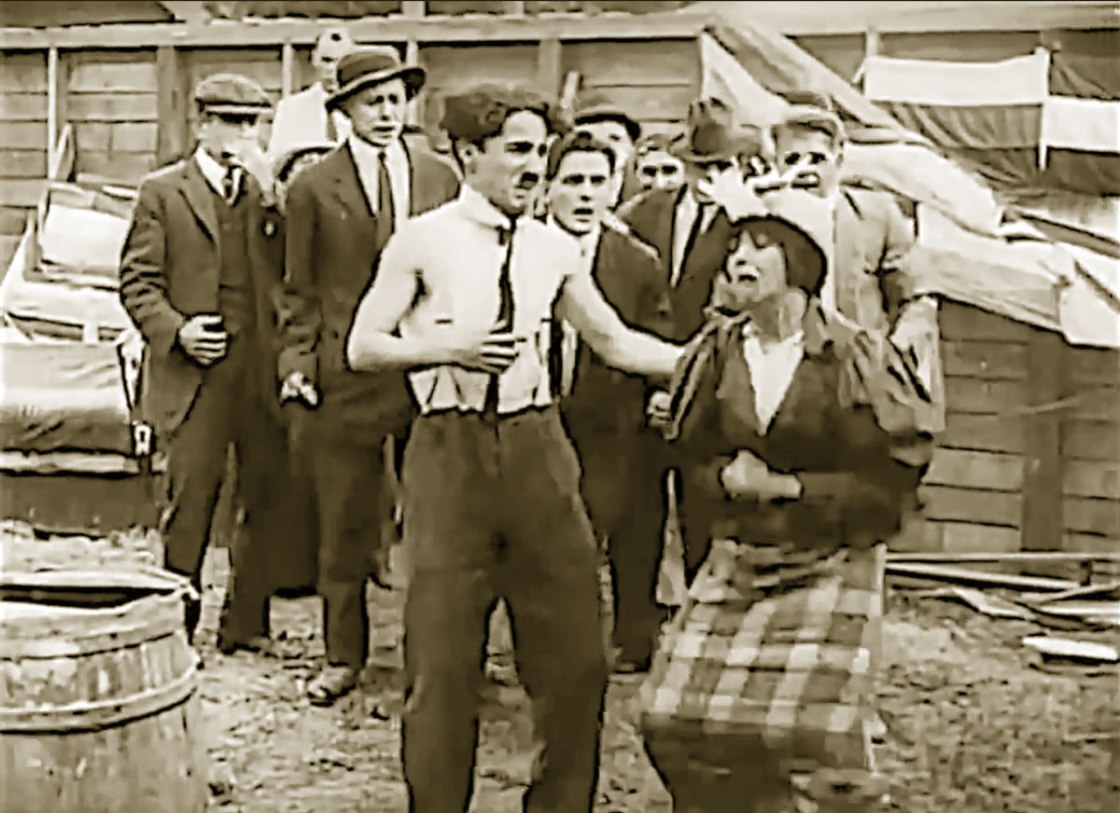
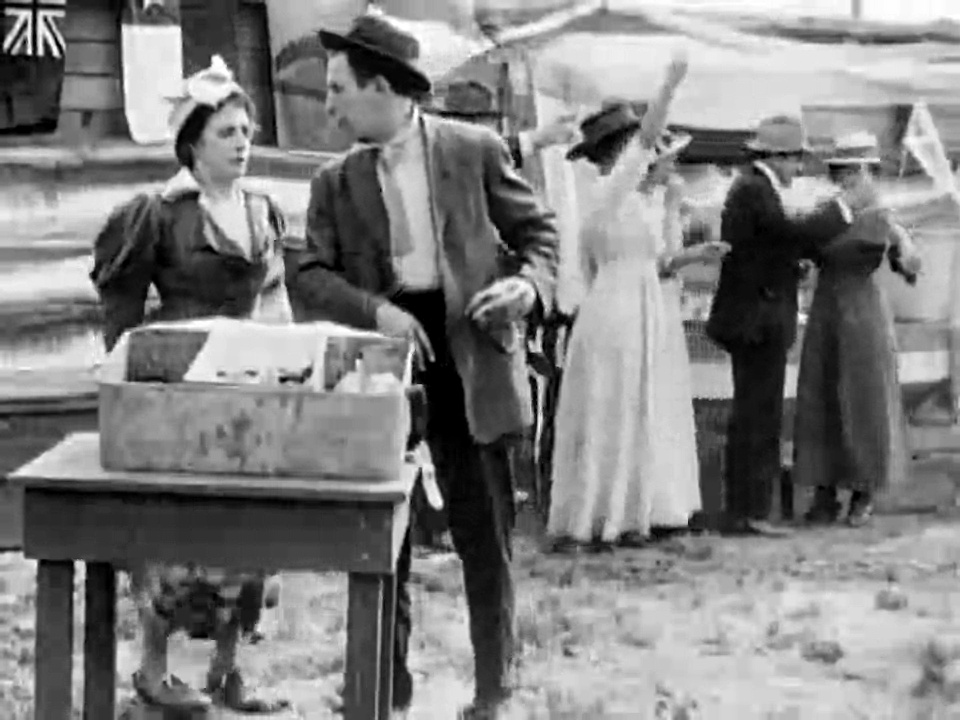
Mabel Normand plays a busy hot dog vendor who hopes to sell her wares at a racetrack. She has to deal with rude customers, dine and dashers… and Charlie Chaplin, who is determined to steal her sausages for himself.
Home Media Availability: Released on DVD.
Off to the Races
During Charlie Chaplin’s brief, star-making stint as part of Mack Sennett’s Keystone crew, he was often paired with the company’s other big star, Mabel Normand, who was also a director. Normand’s work behind the camera was denigrated by Chaplin and erased by the credit-hungry Sennett but she has been enjoying much-deserved reappraisal in recent years. With that context in mind…
Normand may have been “the sugar on the Keystone grapefruit” as one contemporary piece put it, but she was more than equal to the boys in deploying physical mayhem. Mabel sent up the old melodrama damsel in distress a few times during her career but she was far more likely to be the rescuer. And when she was in the director’s chair, her antics morphed into outright pandemonium.
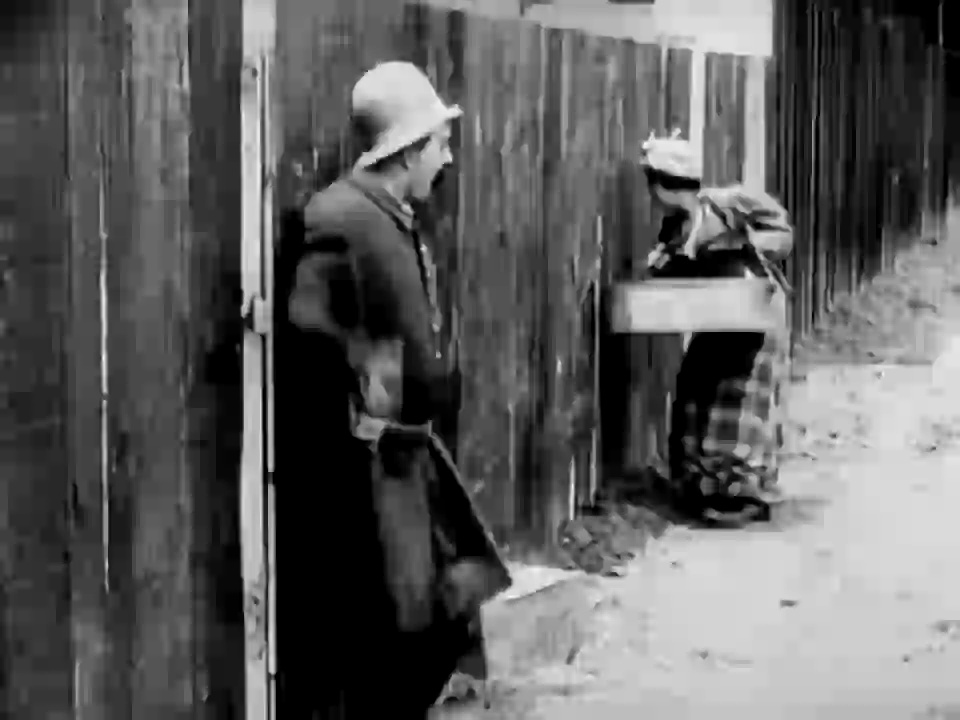
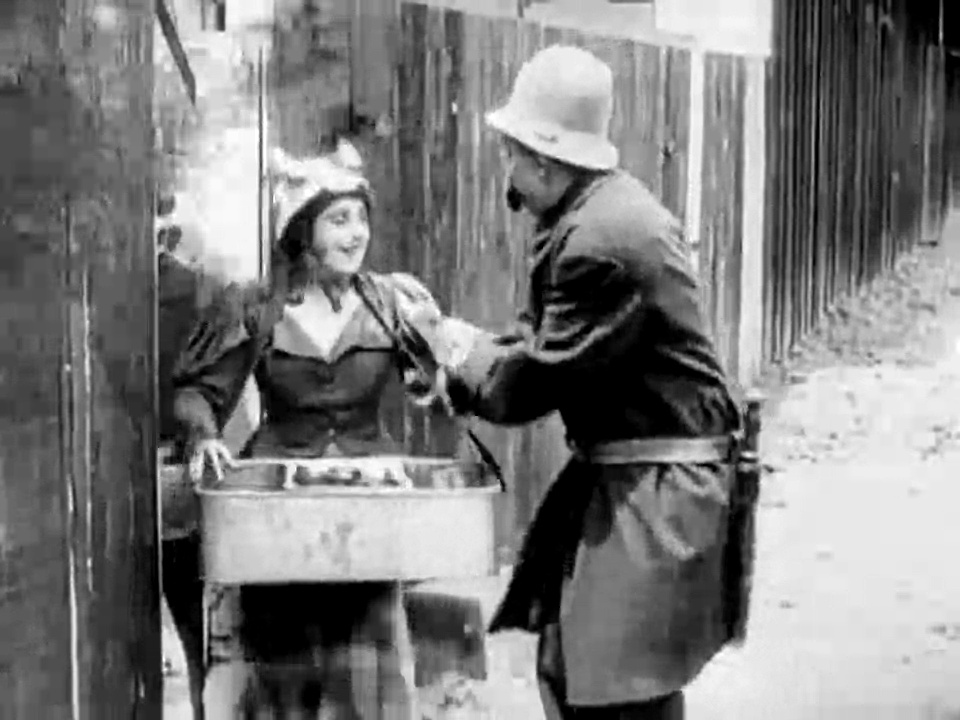
The film opens with hot dog seller Mabel peeping through the fence of a venue where an automobile race is underway. She bribes policeman Chester Conklin with a hot dog to let her inside for free so she can sell her wares.
(Language nerds will be interested to know that Mabel’s profession was styled as a peddler of “hot-dog sandwiches” in Moving Picture World, note the hyphen, though hot dog had been synonymous with frankfurter since the 1880s. I cover the history of the hot dog as a silent era working class meal staple and symbol of same here.)
Meanwhile, Charlie (not quite the Tramp this time but getting there) is trying to gatecrash himself but for more nefarious reasons: he wants in to pick up a few cigar butts and steal a few purses.
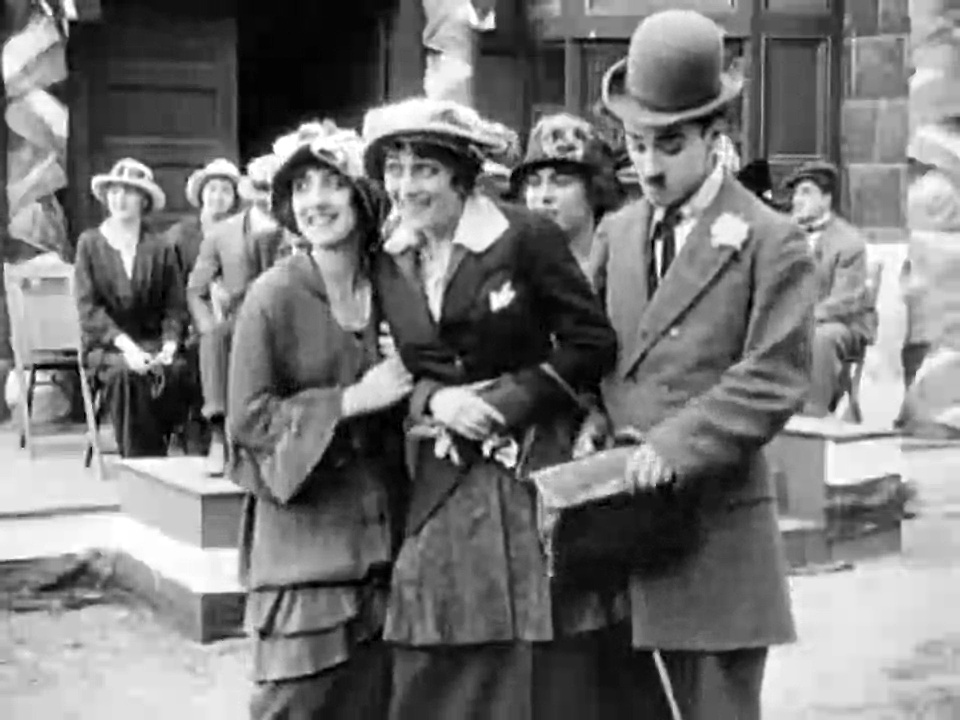
Mabel is finding the racetrack crowd to be rough, they don’t want to pay for their hot dogs and are more interested in tickling her under the chin. But Charlie takes the cake. Er, the sausage, rather. At first, it looks like he is going to help her fight the mashers but it is all a ruse to first raid her hot dog box and then to make off with the whole thing.
Charlie tries his hand at hot dog selling, hoping to make a quick buck after he eats his fill, but the racetrack customers are no nicer to him than they were to Mabel and a brawl ensues. Determined to recover her stolen property, Mabel enters the fray and soon she and Charlie are battling one-on-one. They kick and punch and finally both burst into tears and wander off arm-in-arm.
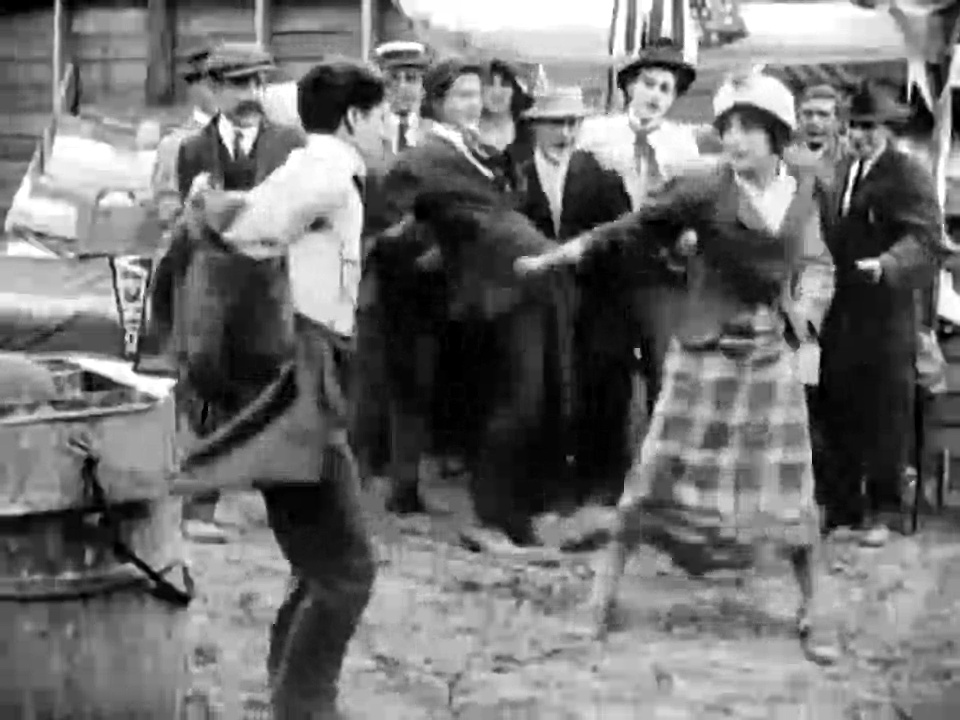
Well, that was utterly delightful and easily my favorite of all of Mabel Normand’s work as director that I have seen. I loved the split structure of the film, the way both leads are left to their antics before the inevitable clash of the comedy titans, it builds anticipation that is subsequently both rewarded and subverted.
All the Keystone players had their signature kicks and falls but I think this is the finest example I have seen of them in action. All pretense of plot is removed and we get right down to the good stuff. It reminds me of Maurice Ravel’s Bolero, stripping away everything but the theme (the “good part”) and repeating it ever more insistently. The Keystone team has never been more graceful, their falls never goofier, their kicks never higher. Normand was extremely popular with most of her coworkers (more on that in a moment) and I wonder if the positive rapport gave them incentive to go the extra mile.
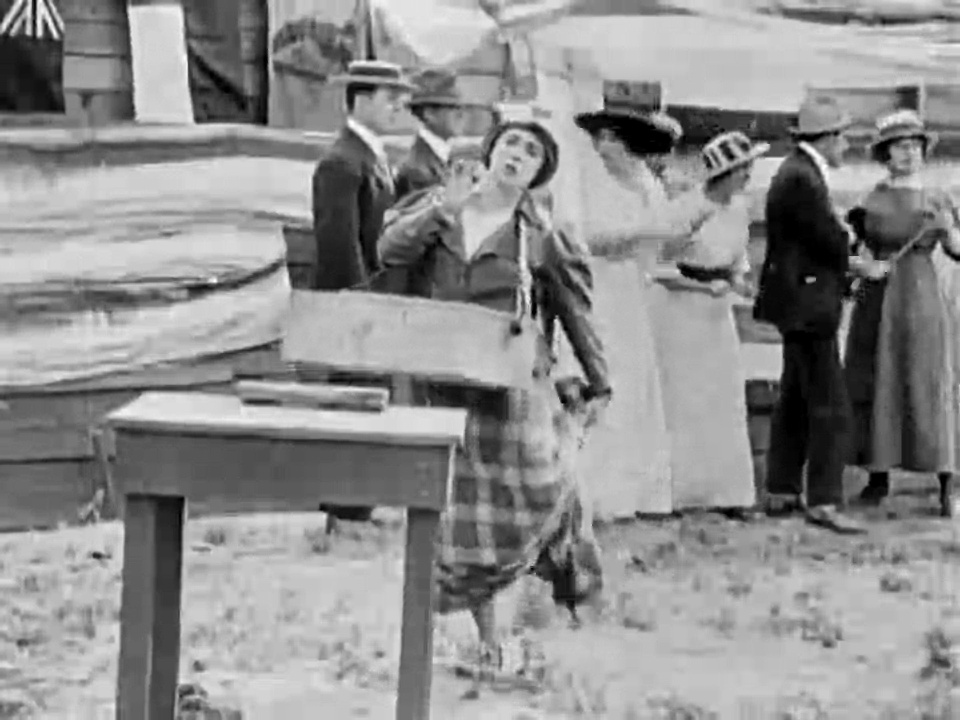
There are also quieter moments in the film that I appreciate. Mabel is a bit of a crybaby, bursting into tears as often as she throws hands, and when nobody is interested in buying her hot dogs, she sets down her box and lets out a tiny whimper: “hot dogs.” You can almost hear it.
Chaplin is, of course, famous for centering his comedies on the working class and the impoverished but he wasn’t alone in this. Normand’s character faces the perils that would have been familiar to working women: bullied, harassed, generally disrespected. This state of affairs was used for both drama (the majority of Lois Weber’s filmography, in fact) and comedy, including the 1909 comedy Mr. Flip, in which the working women get their revenge against a serial harasser. And in the end, the two leads from the bottom of the social ladder realize that they are both in the same boat and wander away from the leering and looting race spectators and the useless cops.
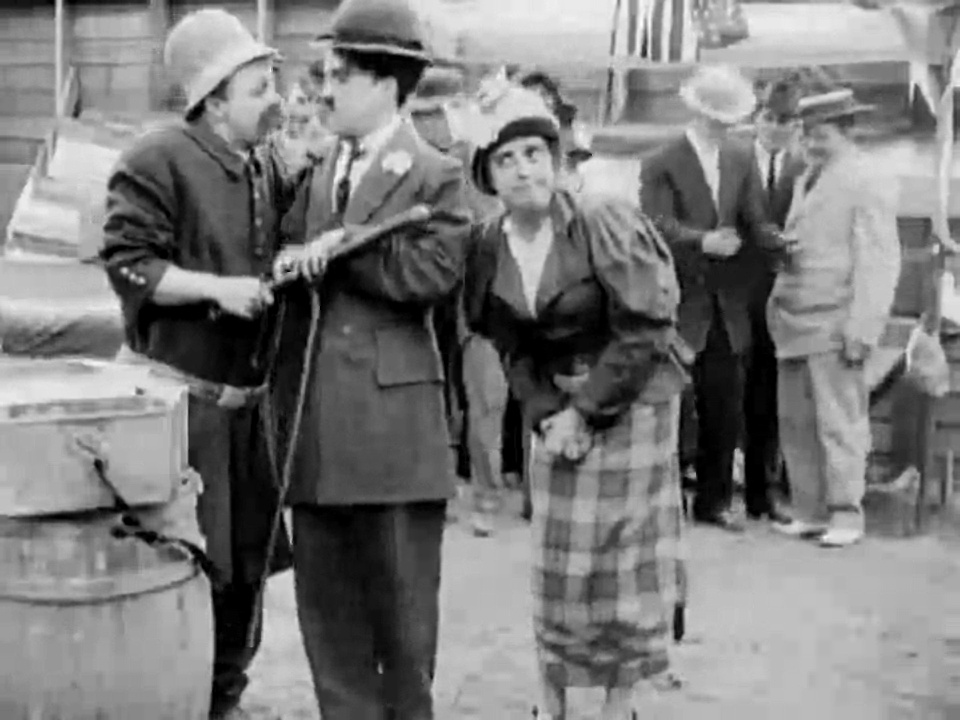
The story of Mabel’s Busy Day could almost be a metaphor for her relationship with Charlie Chaplin. I cover the conflict in detail in my review of Mabel at the Wheel but briefly, Chaplin wanted to add a gag to that film and, in her capacity as director, Normand refused to allow it, saying there was no time to deviate from the planned shoot. This was framed as Normand being a schedule-obsessed, in-over-her-head hack who failed to recognize genius– some versions of the story even embroider and claim she was in tears, something Chaplin never wrote– but the proposed gag was a hosepipe routine, something that had been done to death in the 1890s and 1900s, which film comedy veteran Normand would have known. Judging purely by the behavior described by Chaplin himself, Normand was professional throughout the conflict, certainly more professional than Chaplin.
Chaplin’s Keystone debut had been released in February of 1914, Mabel at the Wheel was released in April, Mabel’s Busy Day came out in June. It was among the last of the short film released in which Chaplin was directed by anyone other than himself. With the exception of Tillie’s Punctured Romance, released in December, Chaplin directed himself at Keystone for the remainder of his stint and was out of there for Essanay come the new year in 1915.
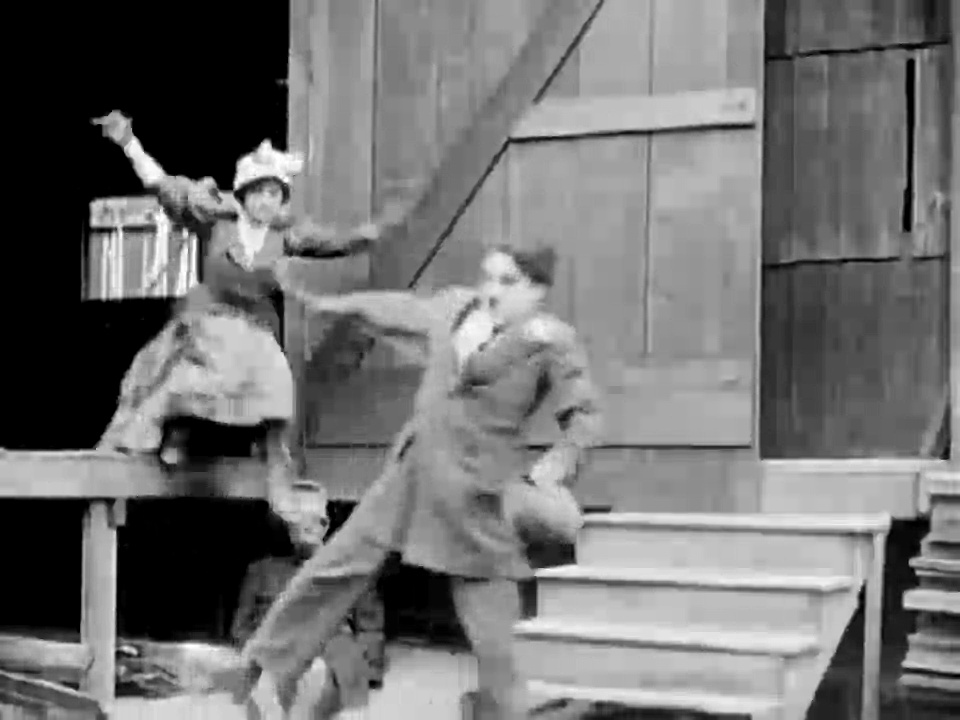
Chaplin got the laurels– and his movies are wonderful– but Normand’s reputation as a director was so low that the 1992 biopic film Chaplin was comfortable portraying her as Sennett’s demanding, low talent mistress. “She actually thinks she can direct,” Sennett complains at one point. The show Mack and Mabel was ostensibly kinder to Normand but centered on her being embarrassed by violent slapstick and under the sway of men and drugs. Normand the confident director who, rather than being appalled by coarse antics, used her creative control to lean into even more raucous cartoonish brawls, did not fit that particular fictionalization either.
I’ll guess that nobody involved in either production saw Mabel’s Busy Day or, if they did, credited it all to Sennett and Chaplin. However, the delightful, balletic violence of the picture is clearly built on the antics Normand had overseen in her January 1914 film Won in a Cupboard (which did not involve Chaplin, needless to say). That film has it all: Normand’s signature roundhouse slap, a frantic and chaotic finale with her matching every male member of the cast in rambunctious energy.
I do think, given the split structure of the film, it is reasonable to think that Normand broke up the pairing so she could be assured of swift and efficient filming for her own stunts, leaving more time to wrangle with the increasingly temperamental Chaplin. Sennett was a well-known cheapskate who insisted on fast and efficient filmmaking and Normand knew her onions. Still, the two co-stars collapsing into one another’s arms in what seem to be improvised fits of tears and giggles indicates a friendlier working relationship than Chaplin would admit to in his autobiography.
I am not the biggest fan of slapstick, even Keystone-in-its-prime slapstick but Mabel’s Busy Day just works for me. In the first place, it’s short and sweet, just one reel of havoc, as was typical for comedies of the period but the complete refusal to have anything resembling a plot (even by the thin standards of Keystone) helps it enormously and tips it over into the surreal, a comedy style that I do like. Much like Chaplin’s debut, Kid Auto Races at Venice, this picture is pure chaos and character work. It’s a testament to Normand’s deft hand as director. Her utter joy in both overseeing and participating in the violent chaos is infectious over a century after its original release.
Where can I see it?
Released as part of the Chaplin at Keystone box set.
☙❦❧
Like what you’re reading? Please consider sponsoring me on Patreon. All patrons will get early previews of upcoming features, exclusive polls and other goodies.
Disclosure: Some links included in this post may be affiliate links to products sold by Amazon and as an Amazon Associate I earn from qualifying purchases.
 Movies Silently
Hooray for Mabel! Thank you for a great write up about one of my all time faves
Isn’t she great?
A gem!
A delightful film. I especially liked seeing the crowds of spectators who were genuinely laughing at Chaplin’s antics. Mabel was great fun kicking and swinging. It was total chaos. I loved it! Many thanks for your review.
Thanks!