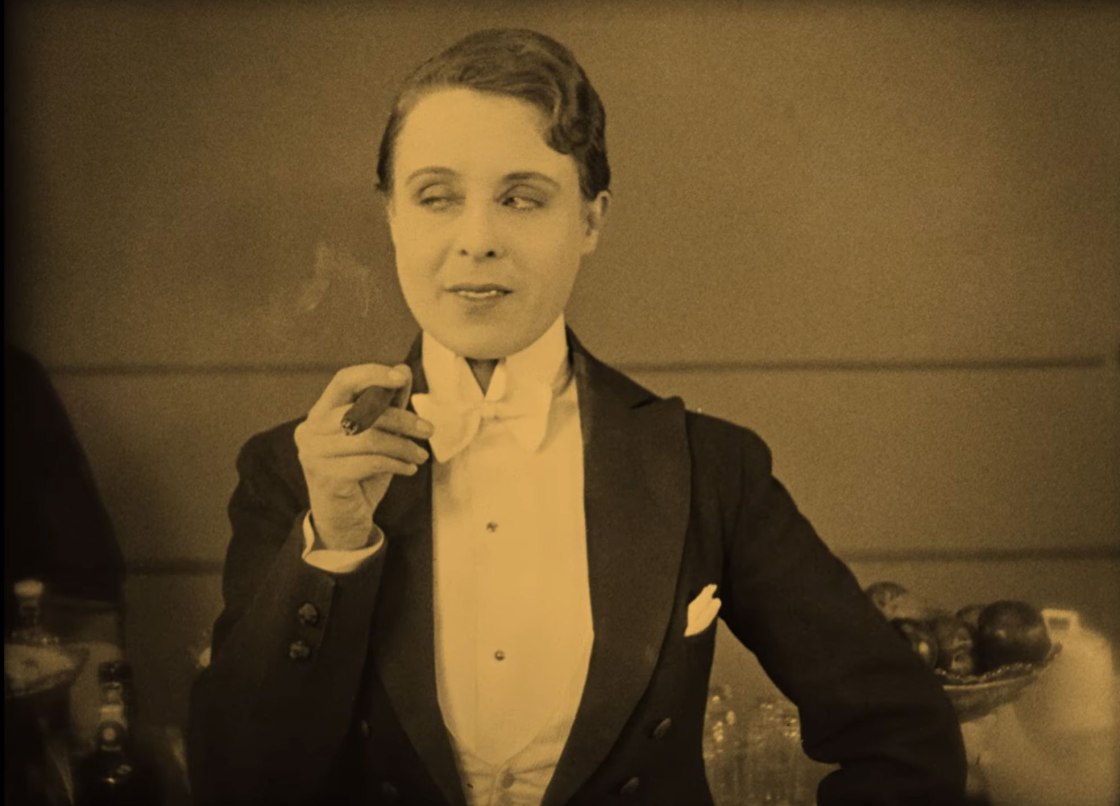
A would-be Swedish Cinderella has no dress for the ball but her solution is to raid her spoiled, fashion-obsessed brother’s closet and turn up in tails. Chaos and feminist satire ensue.
Home Media Availability: Stream courtesy of SF Studio Classics
No Fairy Godmother Needed
As short hair and shorter skirts swept the world in the 1920s, the old guard wrung their hands at the Kids These Days and what it meant for the future. This was a rich comedic vein and filmmakers eagerly dug in, pitting parents against children, and grand old ladies and gentlemen against the young upstarts.
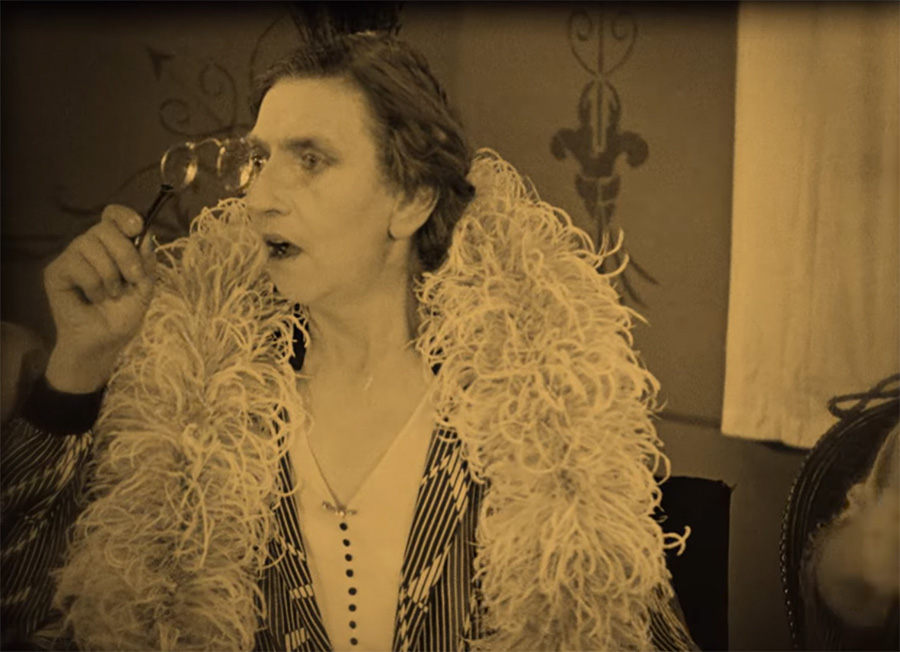
The offenses of youth could range from out-of-wedlock children to merely wearing the wrong thing to an event (which could result in out-of-wedlock children!) and the latter is at the center of The Girl in Tails.
In the fictional Swedish town of Wadköping, Widow Hyltenius (the film’s director Karin Swanström) rules with an iron fist and eye to decorum. The town is home to a co-ed university and three students are the main focus of the story: Curry (Kar de Mumma) a spoiled clotheshorse, his sister, star pupil Katja (Magda Holm), and young Count Ludwig von Battwhyl (Einar Axelsson). Ludwig is failing his studies and unlikely to graduate with his class but Katja offers to tutor him.
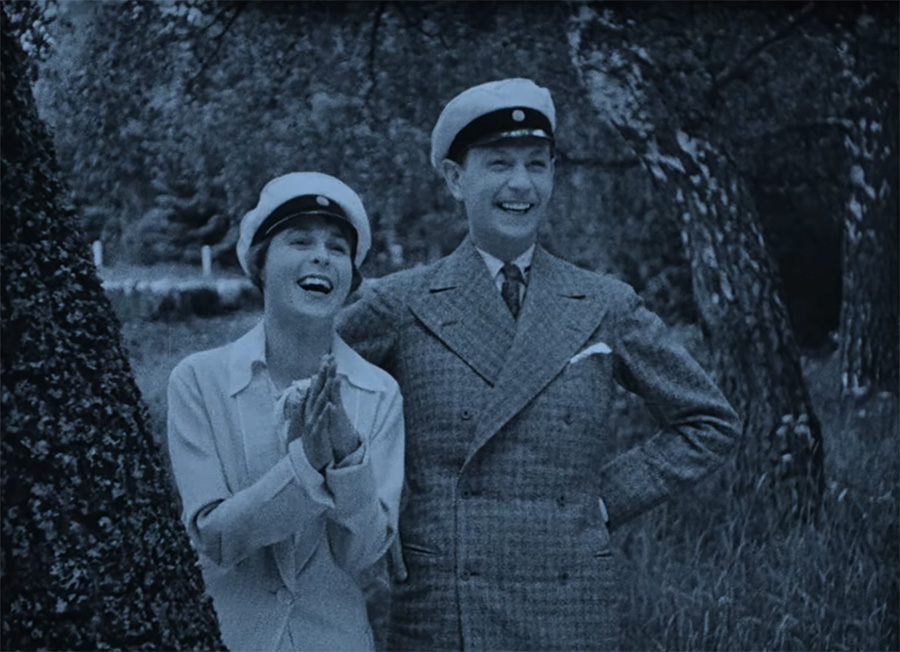
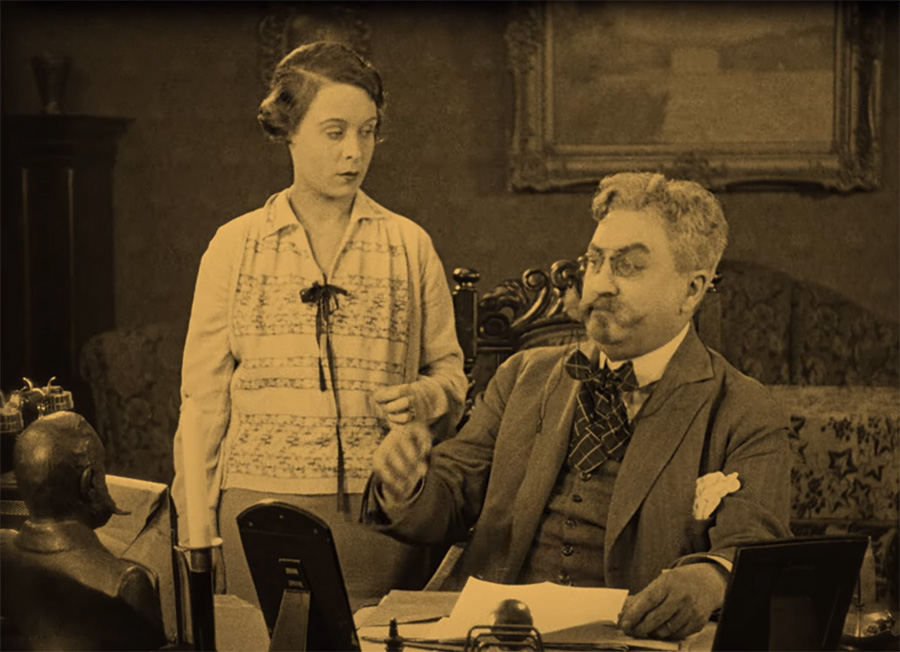
At Katja’s home, the pair flirt and bicker as they study, with Ludwig declaring that Katja dresses like a washerwoman. Katja tells him that her father, Old Karl Axel (Nils Aréhn) lets Curry buy any clothes he pleases but she is not given the same consideration.
Katja’s tutoring works wonders and Ludwig does indeed graduate, much to the surprise of everyone, including the rather unique residents of the baron’s estate of Larsbo. At home, Ludwig surrounds himself with intellectual ladies, including a psychiatrist, a philosopher, a linguist and a lecturer of comparative anatomy.
With his future secure and summer in full blaze, Ludwig wants to leave Wadköping in style and asks Widow Hyltenius for permission to host a ball. In summer! If you can imagine! Widow Hyltenius permits this nontraditional activity if the retiring head of the college, the kindly Rector Starck (Georg Blomstedt), oversees the festivities.
This puts Katja in a bind. She has no suitable gown for the ball but doesn’t want to miss it. She goes shopping for a dress and then asks her father for money, reasoning that he bought a new tuxedo for Curry. But suits for boys are essential, dresses for girls are mere frivolity and he won’t spend a penny.
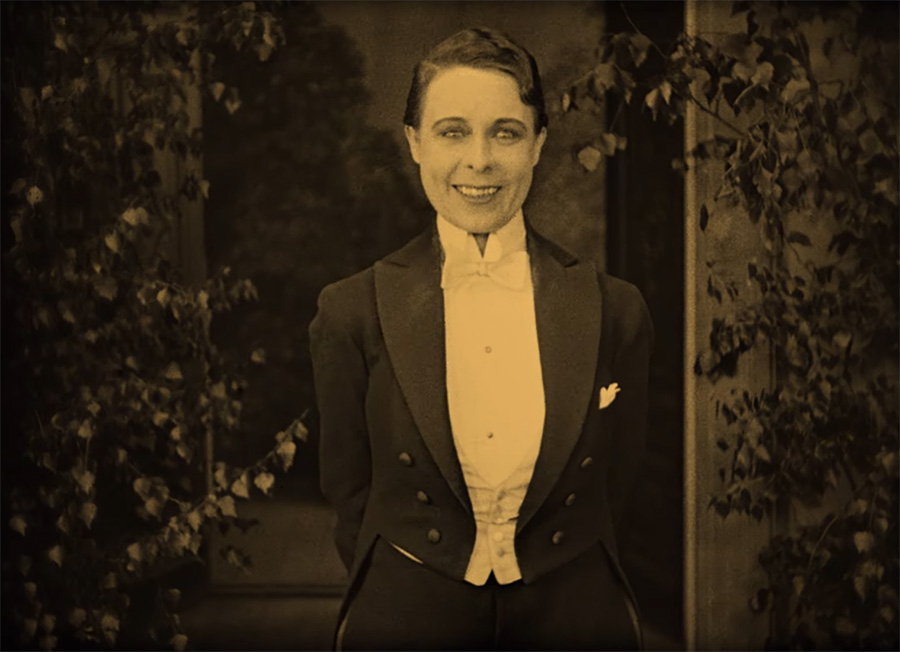
The night of the ball, Widow Hyltenius’s gaggle of mature ladies are shocked when Katja enters wearing Curry’s tuxedo. Ludwig tells her that they must marry right away and then flee to the Congo as missionaries because the scandal is too much to recover from. Starck, however, saves the night by introducing Katja to Widow Hyltenius himself and refusing to allow the tuxedo to be called indecent. After all, is she not covered from head to toe?
Katja becomes the belle of the ball with all the men jockeying to dance with the girl in the tails. She drinks and smokes a cigar, dances with one of the other ladies, and teases one of the musicians as he slips away for a little drinkie. This proves to be too much for even Starck’s influence to cover over and Karl Axel and Curry show up to drag Katja home. She opts to run away, finds Ludwig, and they flee to his estate together.
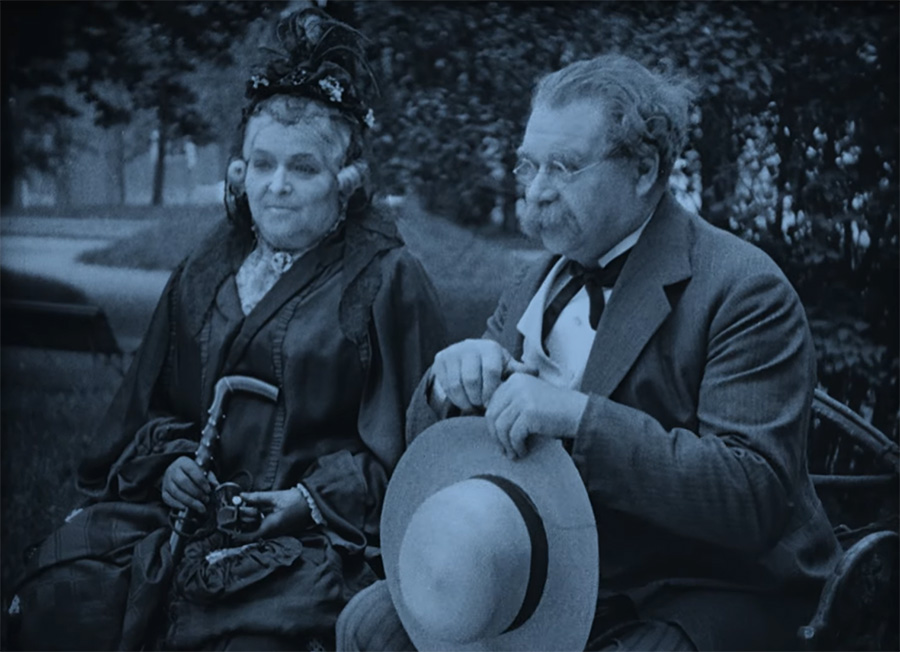
Katja finds a sympathetic ear among the ladies of Larsbo and romance blossoms. However, marrying Ludwig would mean calling on his relatives in Wadköping and she cannot bear the thought of the gossip. Since she is not going to marry Ludwig, she takes a job as a maid at the estate to earn her keep. Her father has vowed that he will not see her again unless she begs for forgiveness on her knees and Widow Hyltenius takes her continued absence as a personal affront. She arranges for an article condemning the tuxedo incident to be published in the local newspaper. Curry maliciously mails the newspaper to his sister and she is horrified.
Ludwig’s feminist family unit gives Katja refuge and sympathy but their advice to simply ignore the scolds back at home is not terribly practical. “Ignore them” sounds good on paper and in an intellectual circle but is far harder to implement in practice, especially since Katja’s happiness with Ludwig depends on a certain amount of contact with the people of Wadköping.
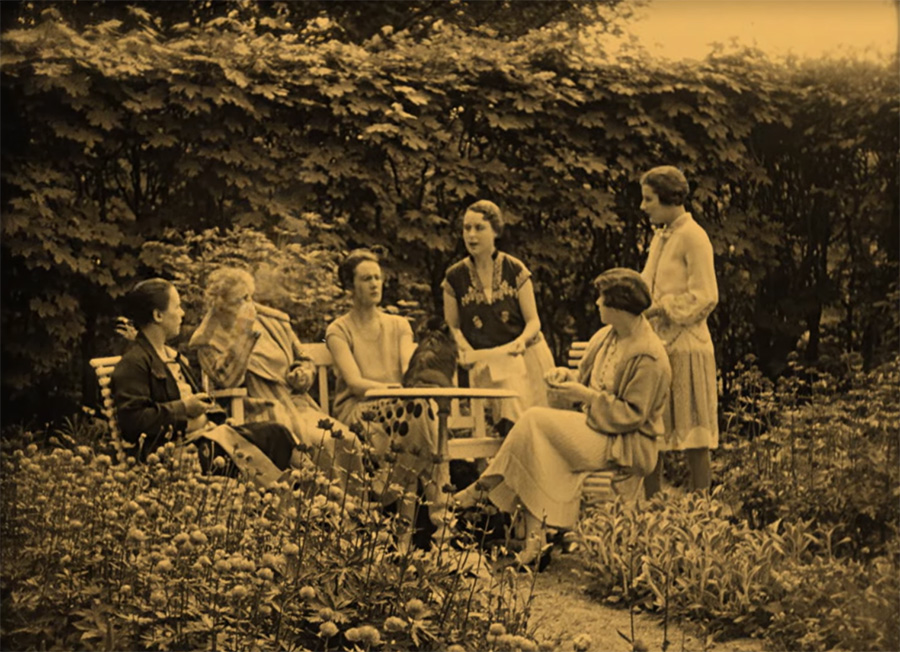
So, the old sticks in the mud certainly do not have the answer, the intellectual feminists have the right spirit but their plan has no practical application, Ludwig is going wild in his disappointment, Katja is stuck as a maid and there seems to be no way out.
Starck returns as the film’s moral center. He gently speaks to Widow Hyltenius, telling her that she is well along in years, would she not prefer her memories to be pleasant as she sleeps forever? Widow Hyltenius is obsessed with decorum, and therefore what other people think of her, but will his words get through to her? Will Katja and Ludwig find love? What about her father? Will he see the light? See The Girl in Tails to find out!
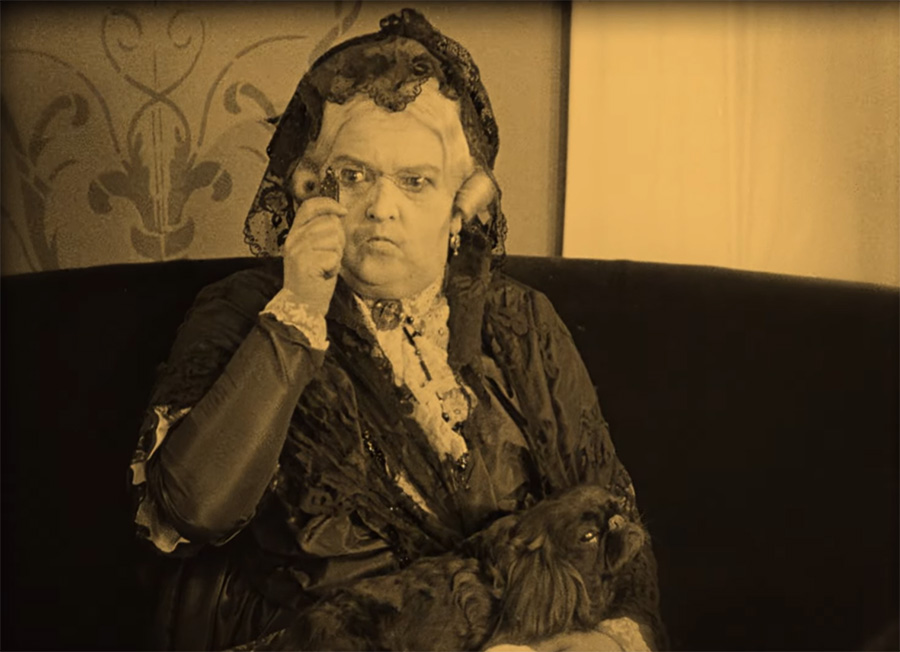
The Girl is Tails was the final film directed by Karin Swanström and her most famous among modern viewers. The heady blend of feminism, proto-screwball romance, and town gossip makes for a universally popular combination and Swanström keeps her balance throughout.
The film has less to do with Hollywood rom-coms of the era and more in common with the German and Austrian genre entries of the 1910s directed by talents like Ernst Lubitsch and Rosa Porten. They all feature daffy main characters who would never survive a minute in the real world but thrive in the madcap fantasy realm created by their production team.
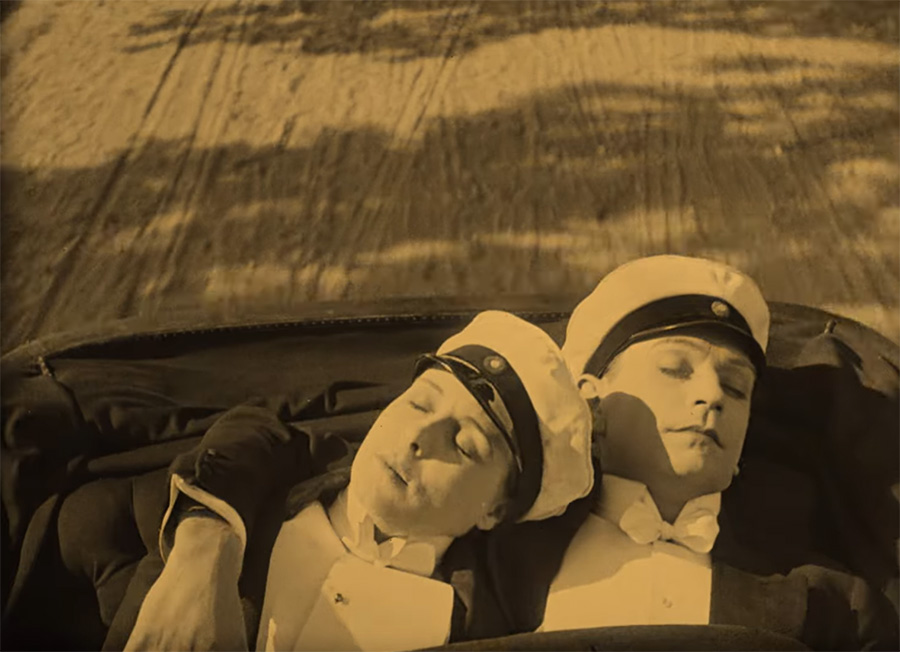
Magda Holm as Katja is a particular standout as she threads the needle between spunky A student, second-loved child, young woman experiencing her first serious romance, and fiery rabble rouser ready to smash social norms, even if she is mortified the next day. Georg Blomstedt is also excellent as Starck, the gentle moral center of the film, an old man who does not understand the youths of his day and may not even approve of their antics but does all he can to ensure their happiness. His soft power and mild approach contrasts with the hard power and iron fist of Widow Hyltenius, a reversal of gender tropes. Swanström is clearly having the time of her life directing herself as the imperious dictator, with her fussy, outdated hats and bulldog expression.
Sweden was an early and fervent stronghold of feminism and Ludwig’s nonconformist lifestyle would not be seen in cinema from many other countries. (Feminists tended to be treated as ridiculous in American films of the era.) He eagerly acknowledges that his diploma is owed to Katja’s help and is perfectly at home with her being the smart one of the couple. (This is especially interesting in light of last week’s review of The Clinging Vine, an American romantic comedy released the same year that centered on an intelligent woman propping up an incompetent man.) Even Ludwig’s response to Katja’s tails antics is to marry her and flee, not throw her over. He is childish and hurtful at times but that’s more the result of his wealth and immaturity. And, as I brought out earlier, this is a decadent satirical fantasy.
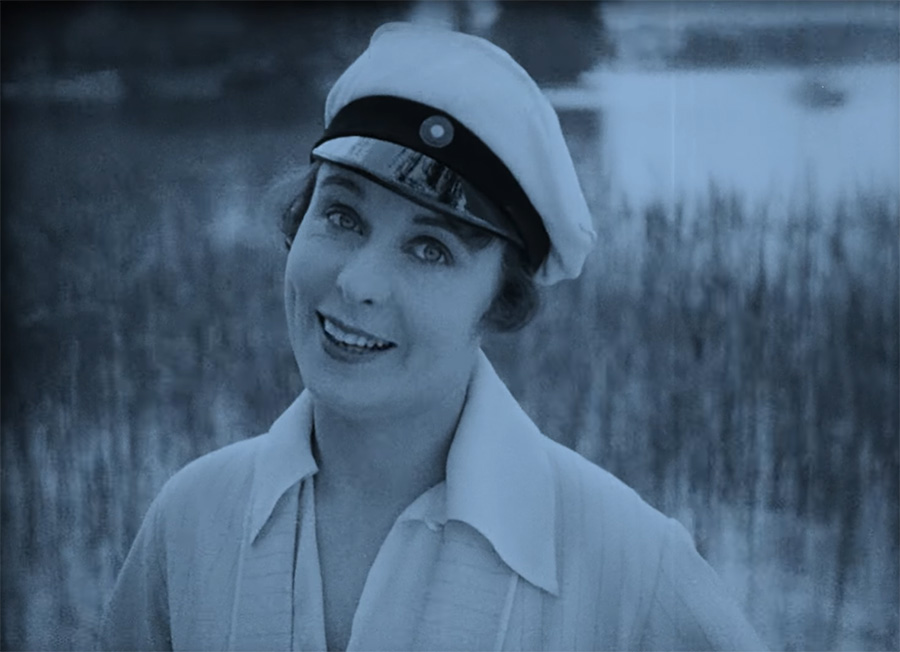
Unfortunately, Hjalmar Bergman’s original novel has not been translated into English as it was reported to be a bit more piquant in its satire. (That was certainly the case book vs film with The Norrtull Gang, a Swedish film of the same period.) That said, I cannot complain about The Girl in Tails.
Swanström’s light touch as a director and the eager cast create an elegant political bonbon that has aged like wine.
Where can I see it?
Stream for free with optional English subtitles and a sprightly piano score by Charlotte Hasselquist Nilsson.
☙❦❧
Like what you’re reading? Please consider sponsoring me on Patreon. All patrons will get early previews of upcoming features, exclusive polls and other goodies.
Disclosure: Some links included in this post may be affiliate links to products sold by Amazon and as an Amazon Associate I earn from qualifying purchases.
 Movies Silently