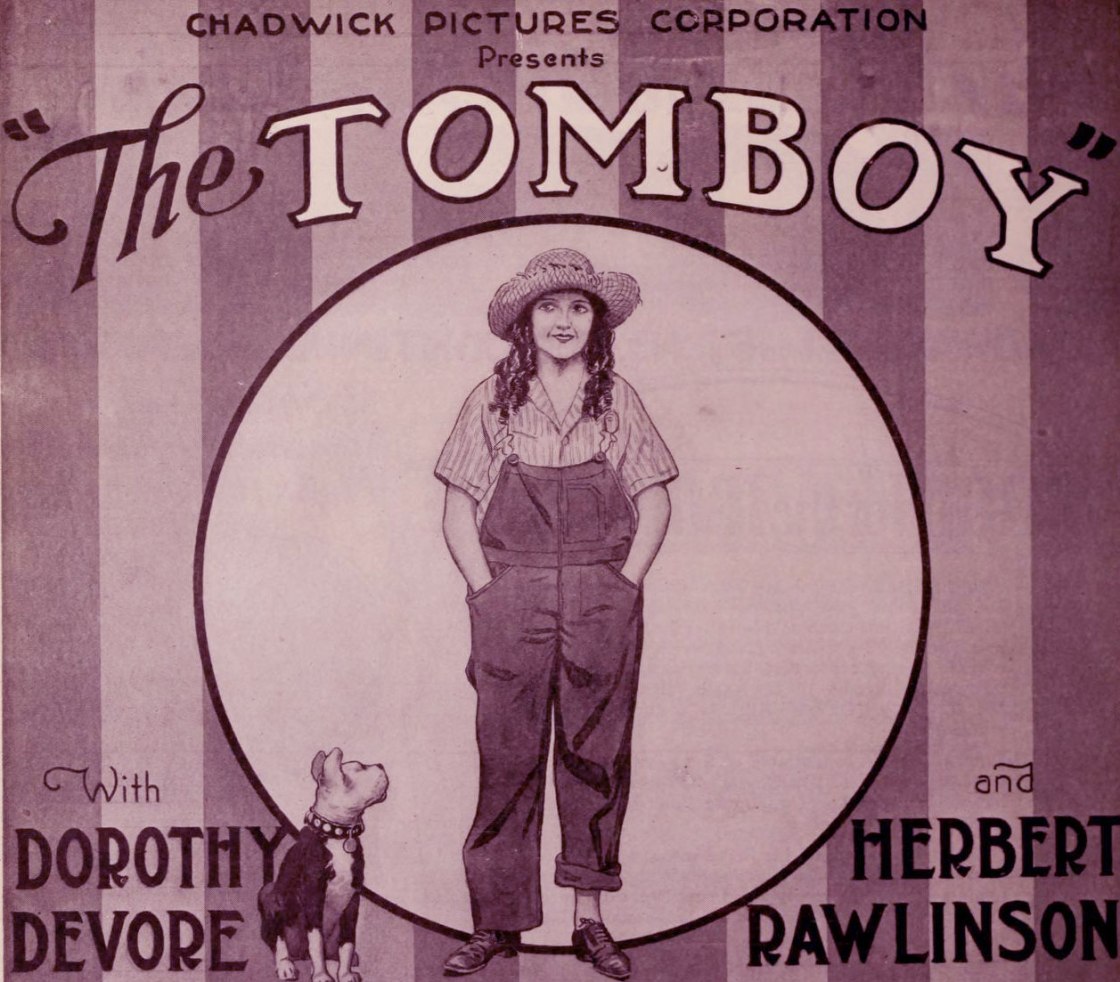
Tommy runs a boarding house and her father dabbles in some light bootlegging. It’s all fun and games until a revenue agents shows up in town to investigate a nastier, deadlier breed of criminal.
Home Media Availability: Budget versions widely available.
The Boarding House Mystery
Americans have always looked back to the innocent country past with nostalgia. For example, the Headless Horseman may have taken over the story but The Legend of Sleepy Hollow was, more than anything, a loving look back at the small town Dutch culture of New England. The bumpkin Uncle Josh comedy series was a multimedia hit on wax cylinders and motion pictures at the turn of the twentieth century.
As feature films rose to prominence, the taste for country nostalgia continued and Charles Ray became a top tier star playing country boys with hearts of gold, even if their heads got turned for a bit. Richard Barthelmess established himself as a major star with Tol’able David. Mary Pickford went country to popular success in films like M’Liss and Heart o’ the Hills, and Mabel Normand’s splashy feature Mickey was a big hit.
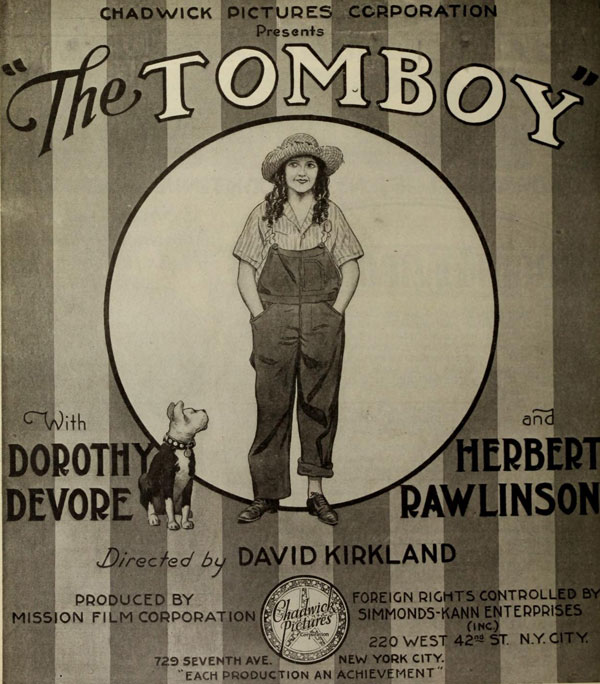
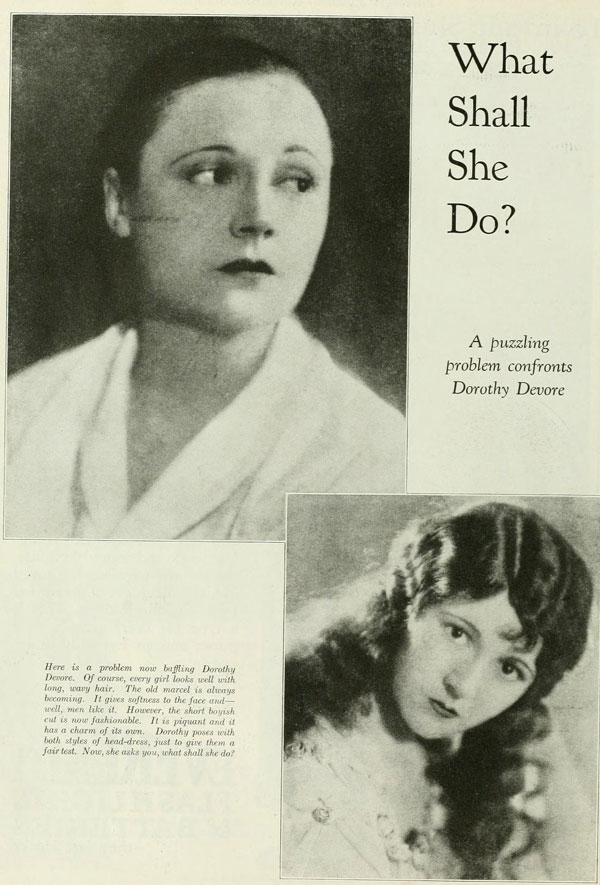
While the country boys tended to have crises of confidence, the country girls were no shrinking violets, arming themselves with slingshots and pitchforks and standing toe to toe with anyone who crossed their paths. Dorothy Devore, who had acted opposite Charles Ray, followed this pattern in The Tomboy.
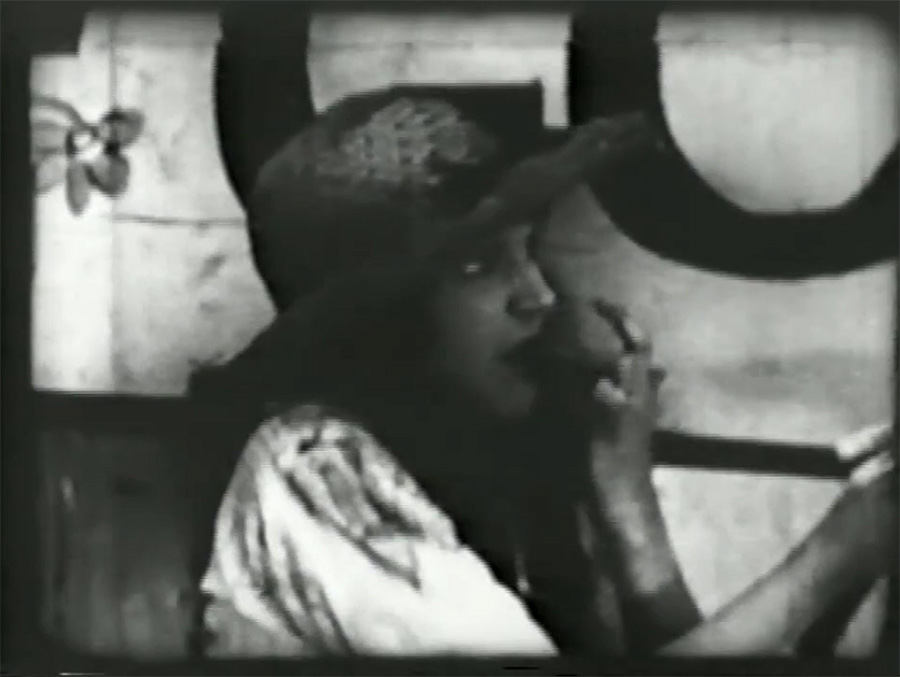
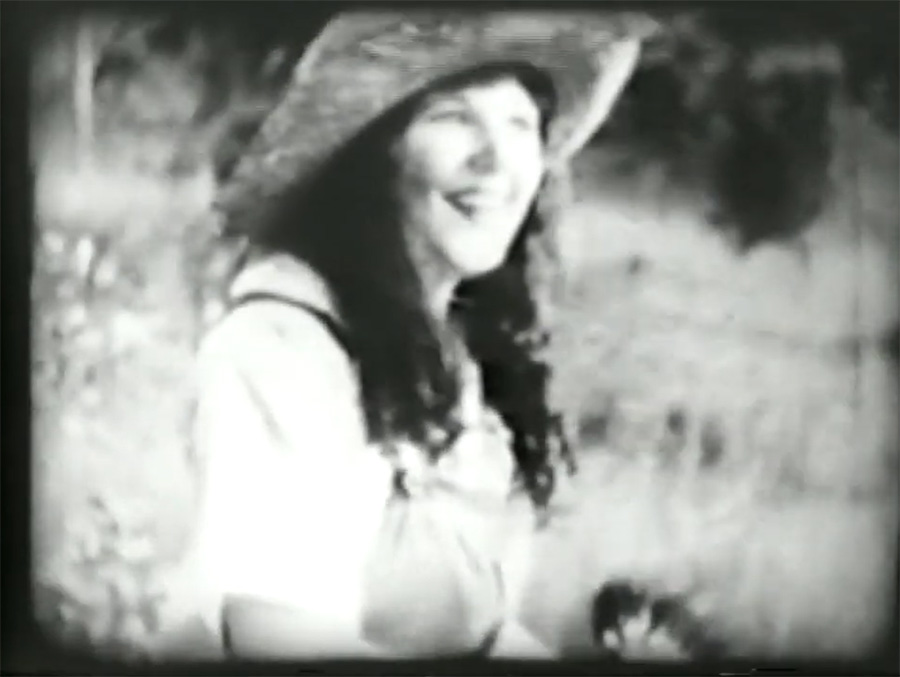
She plays Tommy Smith, who promised her late mother to take care of her eccentric inventor father, Henry (James O. Barrows). Mr. Smith has filled their large rural home with his gadgets but has never earned a cent from them, the family income is supplemented by a little light bootlegging and Tommy taking in boarders. They include Sheriff Hiram (Lee Moran), a hypochondriac named T.B. (Harry Gribbon), and Sweetie (Helen Lynch), red hot flapper.
Tommy is, of course, the tomboy of the title and struts around in overalls, getting into fistfights with the local bullies and generally being a feisty character. Town gossips whisper that Mr. Smith is responsible for the big bootlegging operation and Hiram is nosing around looking for evidence against him.
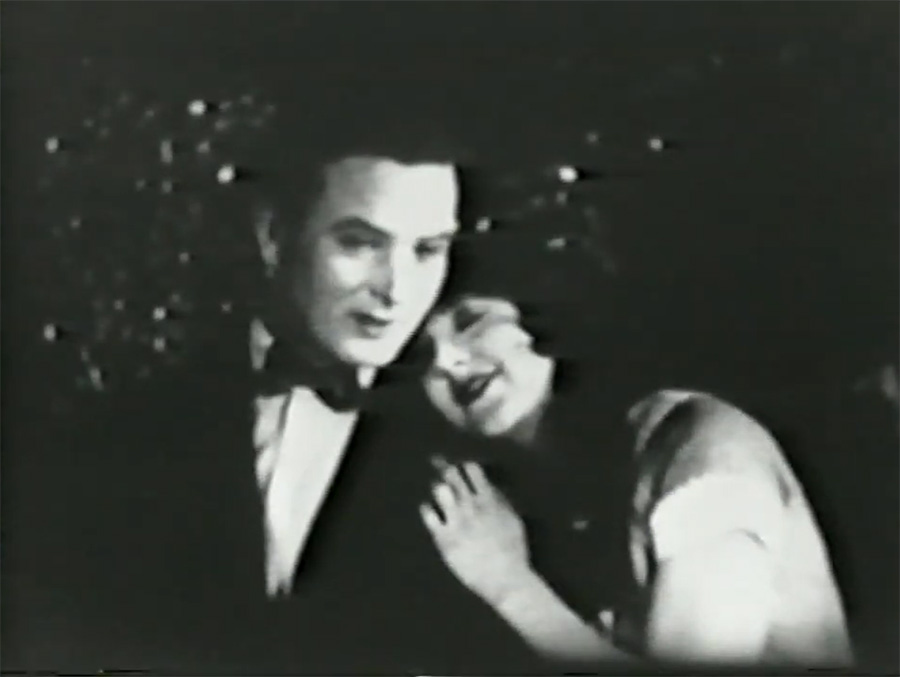
With all this set up, Aldon Farwell (Herbert Rawlinson) drives up in his big shiny car as the new boarder. Tommy is smitten with the sophisticated city man but Sweetie sets her sights on him and uses ever flapper trick in the book to try to get his attention. It’s all for nothing, though, because Tommy may have never flapped in her life but she is the one for Aldon.
But does he have ulterior motives? Tommy finds some liquor in the barn and Hiram tries to seize it but accidentally breaks it in the process. Angry, he tells Tommy that Aldon isn’t really interested in her, he’s a revenue agent trying to catch bootleggers and he is after her for information and nothing else. Hiram has proof to back it up, the copy of a telegram sent by Aldon to Washington, so Tommy kicks Aldon out of the house. Mr. Smith is furious with Hiram for interfering with his daughter’s happiness.

That night, Hiram is murdered by the bootlegger gang and the locals decide that enough is enough, they will lynch Mr. Smith. Isn’t he a bootlegger? Didn’t he threaten Hiram just the day before?
Will Tommy prove her father’s innocence? Will she and Aldon make up? Who is the leader of the bootlegger gang? See The Tomboy to find out!
Well, that was fun! I do like a good little bootlegger dramedy. The Exhibitor’s Trade Review praised the picture as a fresh twist on old material. “The bootlegger complex in the silent drama is by no means new, but in this case is given a new angle by introducing in addition to the mystery element a pleasing sprinkling of humor. There are some films of more or less familiar pattern which seem to be quite novel by a few deft touches of direction and it musts be said that “The Tomboy” comes under this classification.”
Moving Picture World was less impressed: “The story interest is slight and it seems as if the director and scenario writer have introduced just about every device they could think of to build up audience interest and provide amusement and dramatic punch. Starting out with the heroine in a comic tomboy situation, this is soon dropped and she appears as a girl thirsting for romance.”
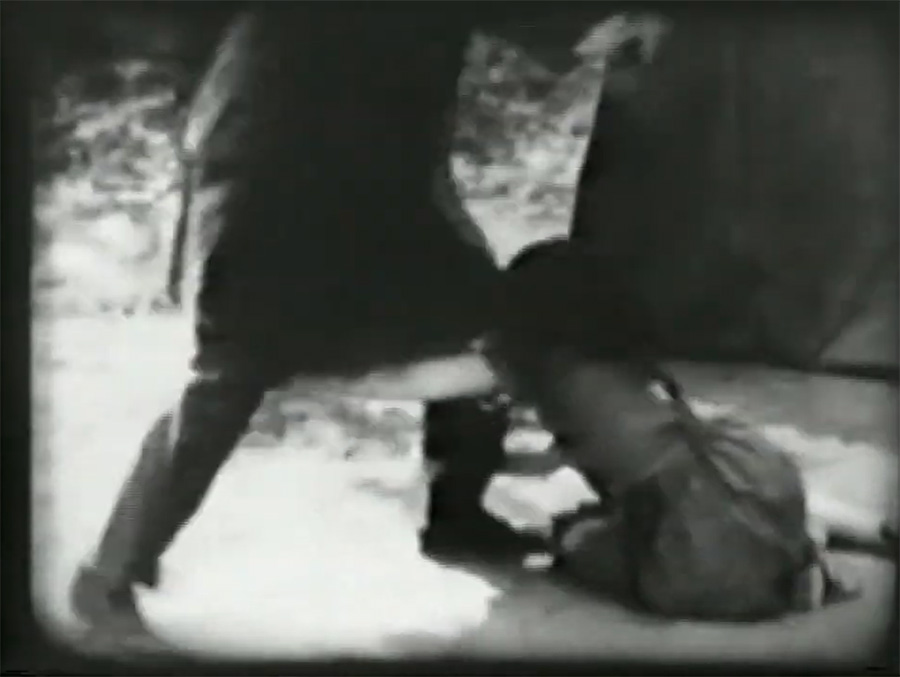
I would actually disagree with that assessment. Tomboys can desire romance and one thing I really appreciated was that The Tomboy lived up to its title, goshdarnit! I have sat through a great many films that took pains to establish their heroine as feisty and willing to fight, only to have her melt into a puddle of helplessness so the hero could step in at the end. And some of these were not even silent or particularly old films, by the way. Well, Tommy and Aldon both see action in the finale, duking it out with the genuinely violent bootlegging gang and only surviving because of the arrival of the bumbling posse that finally managed to get one thing right. It’s grittier than expected, considering the light tone of the picture overall, but not so much as to be jarring.
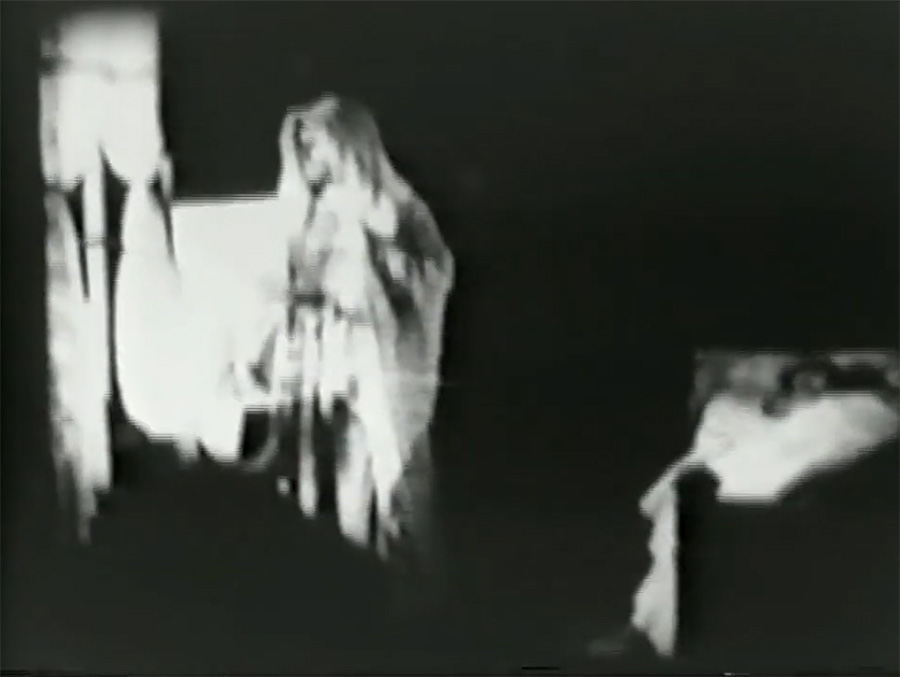
Moving Picture World continues: “There is also a dream sequence that provides a thrill but is not followed up, and also a mystery angle, first in the person of the hero and then in throwing suspicion upon the heroine’s father as being a bootlegger. Many spectators, however, will probably guess the real identity of these players.”
The dream sequence is indeed thrilling but I do think it was supported by the rough and ready finale. As for the last bit about the audience guessing the identity of the bootlegger, fair enough. The cast of this picture is quite small and you can’t really hide a bootlegger in a group of six or eight people. That said, I don’t think knowing this will be a detriment. As the Exhibitor’s Trade Review says, “The story is well told and holds one’s interest fairly well in spite of a rather heavy indulgence in melodramatics. This however will not be a drawback in the average neighborhood playhouse where thrills take precedence over probability. It bears every indication of proving popular as a program attraction.”
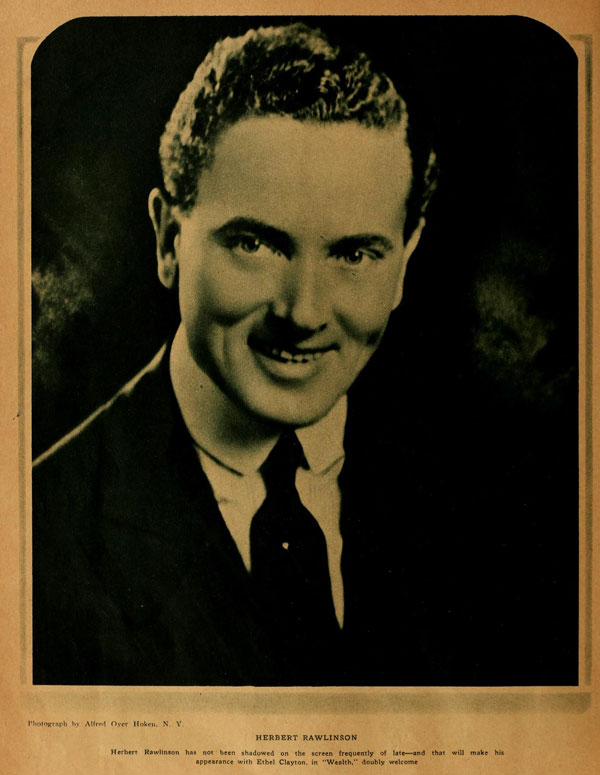
In short, if you get into the spirit of the thing, there’s a lot to like. That’s not to say it is a perfect picture, of course. Devore and Rawlinson don’t display any distinctive characteristics and could have been swapped out for other players with no particular change to the story. They aren’t bad, just not particularly unique. There is also a sequence in which Aldon romances Tommy by fantasizing about an international trip on their “sky horses” that mostly consists of actuality footage and, let’s face it, corn right off the cob.
Still, the pros outweigh the cons with this picture and director David Kirkland keeps things moving along snappily. I just wish I could have viewed a better transfer. Cinematographer Milton Moore’s work was particularly singled out for praise and it just doesn’t come through. Also, most sources list Frank Dazey as the screenwriter but Agnes Christine Johnston (spelled Johnson) is also credited at the opening of the picture and this sort of thing was very much her wheelhouse. She later wrote for the Andy Hardy series.
The Tomboy was produced by the short-lived Mission Film Corporation and released by Chadwick, one of the more ambitious Poverty Row studios that is most remembered today, unfortunately, for the the infamously bad Larry Semon Wizard of Oz. A more typical Chadwick product was The Bells, a stylized horror fantasy with a strong German accent featuring Lionel Barrymore and Boris Karloff (channeling Werner Krauss), or The Unchastened Woman, a comeback vehicle for supreme vamp Theda Bara.
All was not well between Mission and Chadwick after The Tomboy’s release, however, and Mission successfully sued Chadwick for the cost of the negative. From what I can surmise, The Tomboy had a fair amount of hype behind it but didn’t seem to make much of a splash. I found little theater feedback and the reviews were lukewarm to mildly positive, so it seems Chadwick didn’t want to be stuck paying for it.
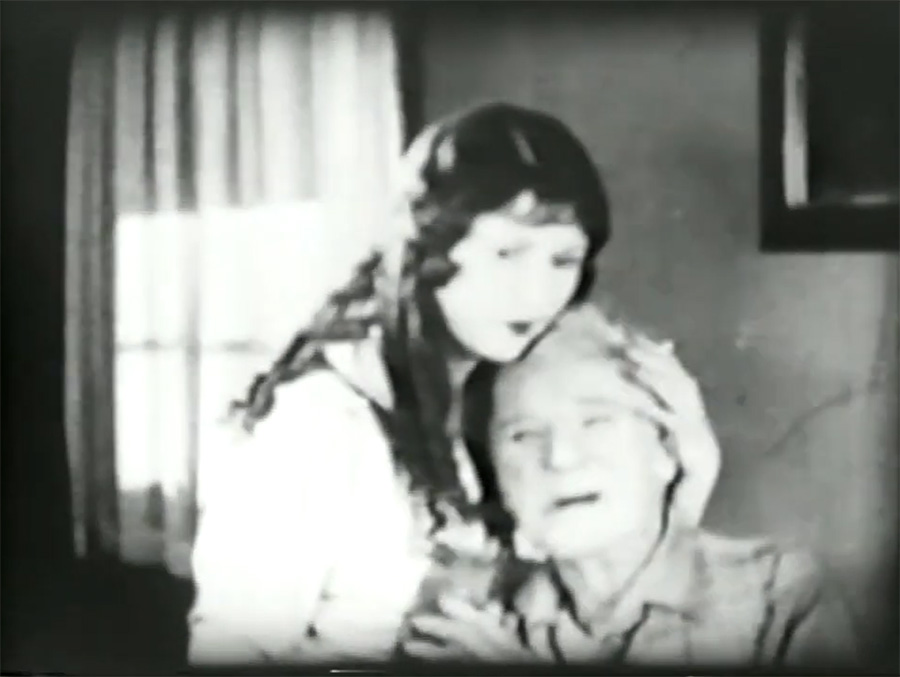
This is a shame as The Tomboy is a cute little picture with a bit of an edge. Is it a masterpiece? No, it’s not and I don’t think anyone working on it intended it to be. It’s the kind of light, fast-paced evening at the movies that the silent era did so well, a kind of movie that rarely makes it onto the film festival circuit.
All in all, The Tomboy is a pleasantly frivolous bit of period entertainment that manages to consistently entertain even if its cast isn’t entirely up to the task. I would like to see a better print of it someday, as its photography simply doesn’t come through with the low resolution transfers currently in circulation.
Where can I see it?
Various budget releases, nothing I particularly recommend.
☙❦❧
Like what you’re reading? Please consider sponsoring me on Patreon. All patrons will get early previews of upcoming features, exclusive polls and other goodies.
Disclosure: Some links included in this post may be affiliate links to products sold by Amazon and as an Amazon Associate I earn from qualifying purchases.
 Movies Silently
Sleepy Hollow is in New York, not New England.
I haven’t read the rest of the review yet, just chiming in with a correction.