
Stan Laurel tries to hock patent medicine but finds himself at odd with police, passersby and potential customers. A darker, deadlier type of humor from his pre-Hardy efforts.
Home Media Availability: Released on DVD.
Patent Medicine “They” Don’t Want You to Know About
I am a lifelong fan of Laurel and Hardy and am especially fond of the short comedies they made during their days with Hal Roach. When I started to get into silent films, I naturally sought out material from my favorite comedians. Silent Laurel and Hardy is darker and snappier than the talkie versions but darker still are the films Stan Laurel made as a solo comedian before he was partnered with Oliver Hardy.

The white magic-infused, wordplay-loving, dancing duo are still my favorite but the hungrier, meaner Laurel has an appeal all his own. My personal gold standard for his shorts is his horror spoof Dr. Pyckle and Mr. Pryde, which is both a witty and warped take on mad science and split personalities. Kill or Cure revolves around a decidedly more realistic concept: the woes of a door-to-door patent medicine salesman.
Patent medicine in America had reached dizzying heights in the nineteenth century and Coca-Cola had made the jump from drug-laced cure-all to beloved soft drink. (I cover the history of the coke in Coke and other soda-related history in my review of For His Son.) By the time the twenties had rolled around, the Pure Foods Act of 1906 and the health food movement rooted in the nineteenth century influenced the marketing a bit but the claims of miracle cures were just as enthusiastic. (Health food items that jumped to the mainstream a la Coke include graham crackers, cornflakes and buttermilk.)
This marvel medicine, nature’s own roots and herbs, will help where no other treatment can! Infertility, menstruation, indigestion! A spoonful of goo will save the day!
Long story short, Laurel was dealing with a situation that would have been instantly familiar to audiences of his day and, with a bit of contextualization, is pretty recognizable for modern viewers as well. After all, we live in the age of natural cures “they” don’t want you to know about. (At least until the Federal Trade Commission shut things down.)

Stan is an enthusiastic seller of Prof. I. O. Dine’s Knox-All, which can do anything from cure colds to polish furniture! Unfortunately, he delivers his pitch outside an institute for the deaf, then tries his hand at signing to a statuesque hearing woman, who thinks he is getting fresh. His one and only sale comes from a drunk who thinks Stan is a bootlegger and mistakes the medicine bottle for illegal alcohol. (Not too far a leap as alcohol was and is a comment ingredient in syrups. Lucille Ball’s famous Vitameatavegamin episode was based on Geritol, which still contains 12%, on par with wine.)
Stan tries to sell his medicine to a housekeeper but she pays him with a fake nickel. Then he tries to demonstrate the product’s car washing abilities but the potential customer takes the free wash and doesn’t want the medicine. Stan breaks a bag on flour onto the flivver and moves on.

The final house proves to be his waterloo, as the householder is a diminutive man but his wife is the amazon whom he tried to sign to at the beginning of the short. And, well, it looks like the owner of their bungalow is going to have to pay for a new front yard cactus. Stan limps away, defeated and plucking cactus spines out of his posterior.
Kill or Cure is a meandering comedy, basically a set of short skits tied together by Stan’s employment. (Laurel would use this structure in his Laurel and Hardy days as well, notably in Busy Bodies, which was set entirely in a sawmill.) It lacks the punchiness of Dr. Pyckle or Mr. Pryde but is highly enjoyable as a slice of exaggerated twenties life.
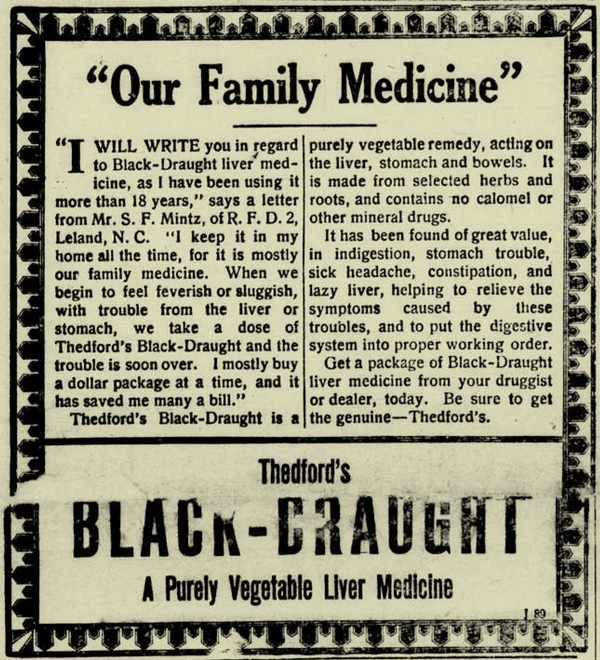
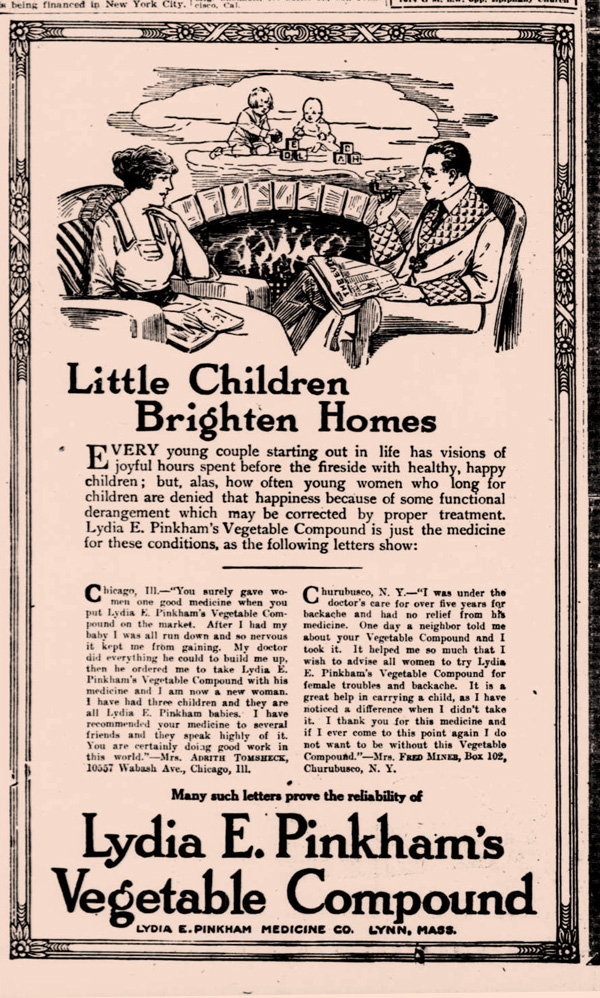
For context, consider some of the patent medicines advertised in the early twenties, the same time Kill or Cure was released: Lydia E. Pinkham’s Vegetable Compound, which promised that women without children due to “functional derangement” would soon hear the patter of little feet. Also cured backache. Thedford’s Black-Draught, “a purely vegetable liver medicine,” claimed that it cured liver ailments, constipation, bad breath and headaches. I’d have a smart remark about Foley’s Honey & Tar to cure the flu but I recently became addicted to the tar-licorice candy Terva Leijona and cannot in good conscience knock something that I would probably buy in bulk if it was still being made. (The pipeline of Nordic licorice lozenges from medicine to candy is as interesting as the tale of American soda pop journey from the pharmacy.)

I hope this small sample of vintage advertising illustrates how on the money Laurel’s spoof of the industry was. If anything, he played it subtle!
As much fun as I had with the gags revolving around the medicine Laurel was hocking, there are other delights in Kill or Cure unrelated to historical interest. I particularly enjoyed the sequence in which Laurel tries the hard sell, foot-in-the-door approach with Katherine Grant, a regular Laurel collaborator and later a fixture in Charley Chase comedies. Grant plays a domestic worker who is just trying to go about her day when the Laurel whirlwind strikes. She tries closing the doors and windows but he manages to lure her outside. She seems to surrender and happily pays for the bottle of medicine… and wait for it… the timing is exquisite as Laurel’s triumphant expression crumbles when he realizes that the coin she gave him is as phony as his medicine.

Kill or Cure isn’t Laurel’s best solo short but it’s a fun one, especially when we contextualize it and compare the huckster remedies of yesteryear with the modern ones of today. The more things change… And one thing that is also certain: Stan Laurel is hilarious.
Where can I see it?
Released on DVD as part of volume two of Kino’s Stan Laurel collection. I highly recommend looking into his solo work because it contains precursors of his Laurel and Hardy magic, as well as gags that were too bleak for his lighter, ditzy persona as part of the iconic duo. Well worth your time if you are a fan.
☙❦❧
Like what you’re reading? Please consider sponsoring me on Patreon. All patrons will get early previews of upcoming features, exclusive polls and other goodies.
Disclosure: Some links included in this post may be affiliate links to products sold by Amazon and as an Amazon Associate I earn from qualifying purchases.
 Movies Silently