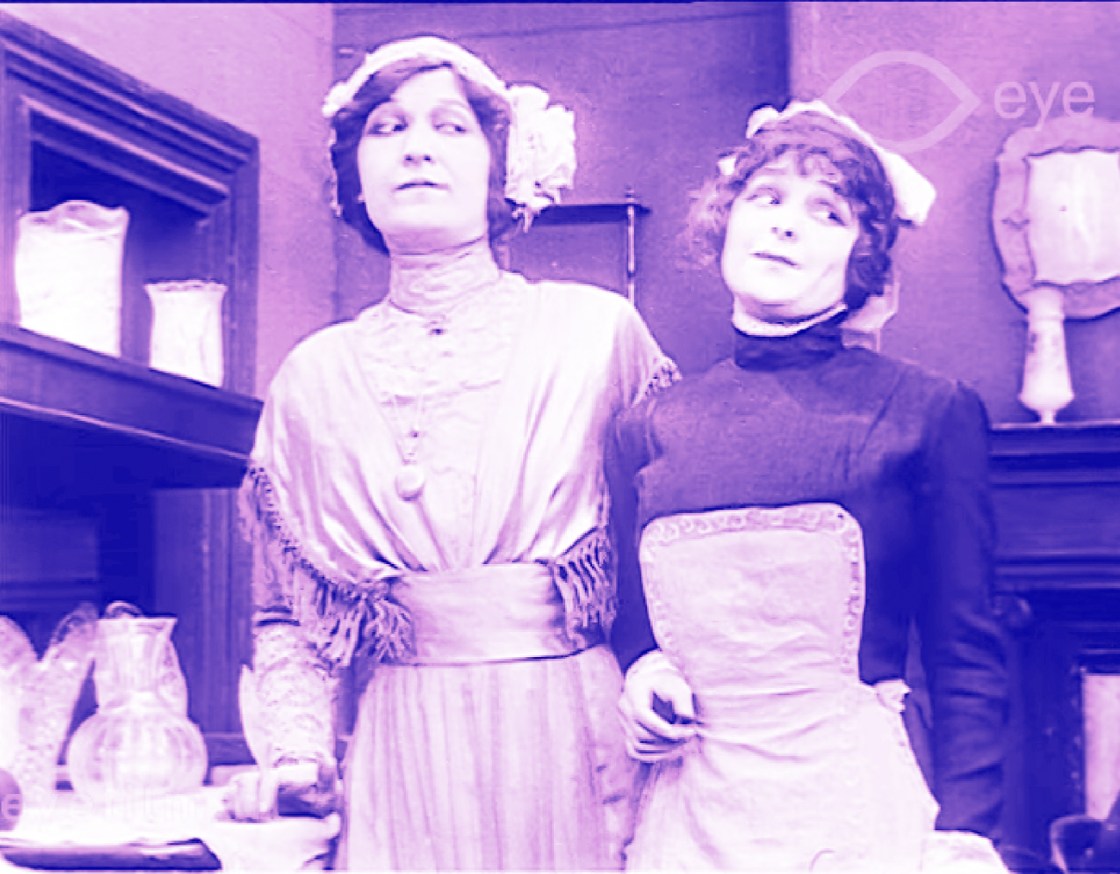
When a boarding house landlady is rejected by one of her boarders, she and her maid embark on a revenge makeover for the ages, transforming themselves into the epitome of 1910s beauty. What will the boarder think of their remodeling?
Home Media Availability: Stream courtesy of EYE.
If you can’t handle me at my worst…
“If you can’t handle me at my worst, then you don’t deserve me at my best.”
It’s internet wisdom that has been misattributed (Marilyn Monroe never said it) and memed but the concept of a rejected ugly duckling making her undeserving onetime love sorry when she emerges as a swan is older than the movies.
In the case of the one-reel comedy A Lady and Her Maid, the duckling is Miss Ophelia (Florence Radinoff), the homely owner of a boarding house. Her maid, Belinda (Norma Talmadge), has goofy teeth and wears her hair in the sort of horizontal pigtails we now associate with Pippi Longstocking.
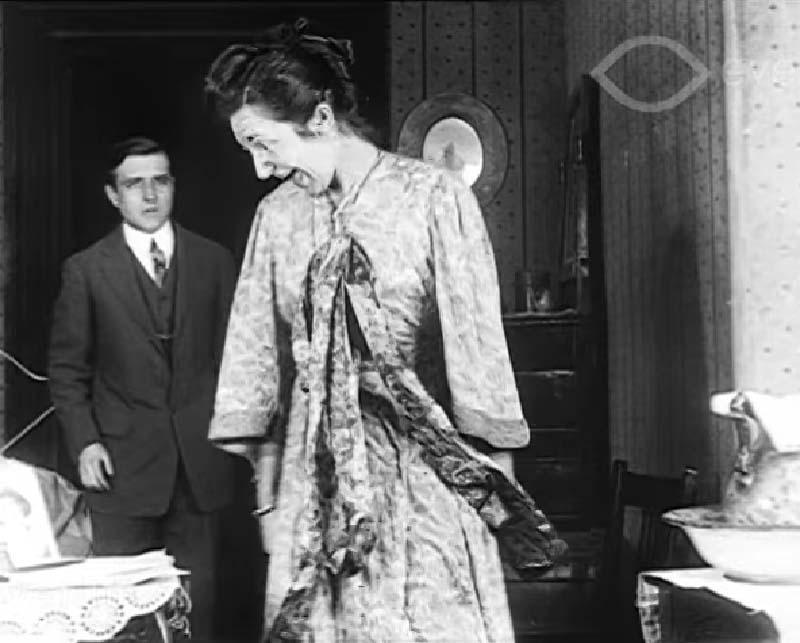
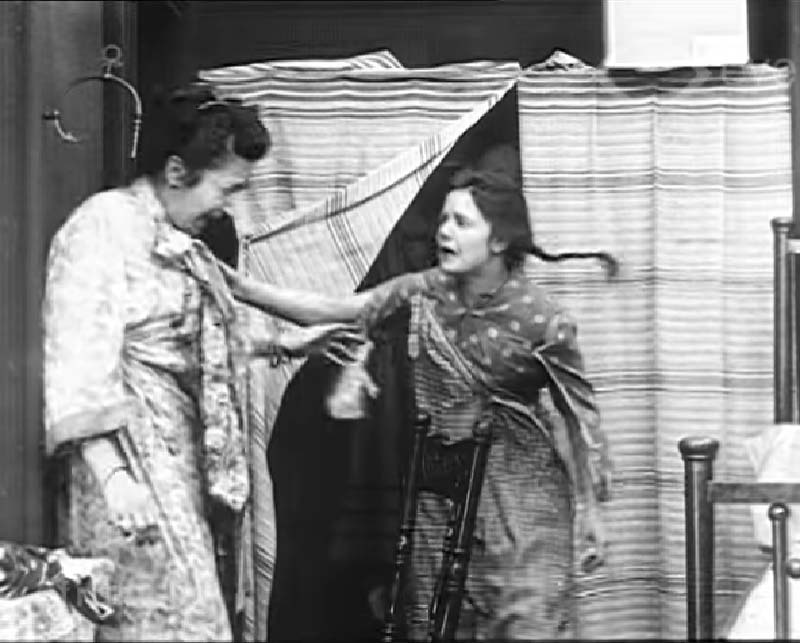
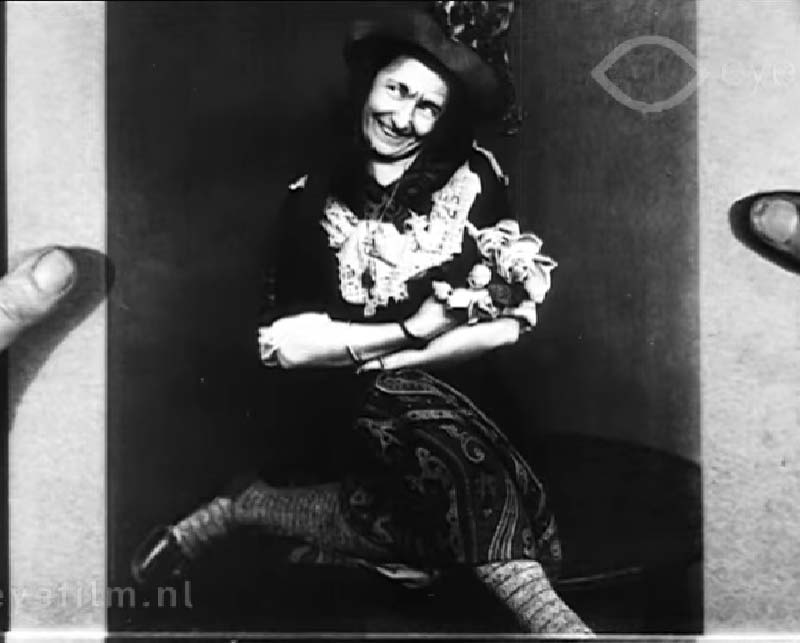
Miss Ophelia is in love with one of her boarders, Billy (James Morrison), and has some glamour portraits taken to impress him with her beauty. Billy openly laughs at the goofy photos and compares Miss Ophelia to his pretty sweetheart. Why would he want her when he has this? Heartbroken, Miss Ophelia rushes upstairs and tries to kill herself with the gas jet in her bedroom.
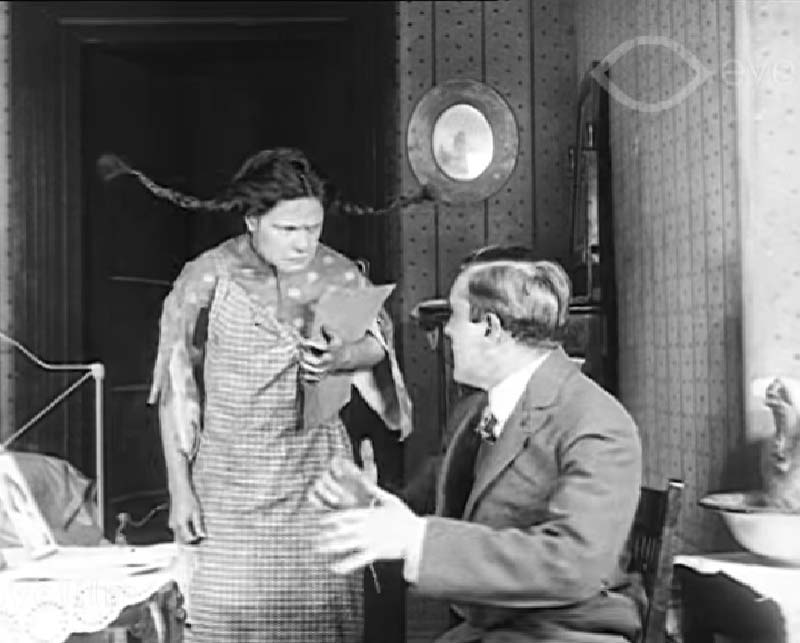
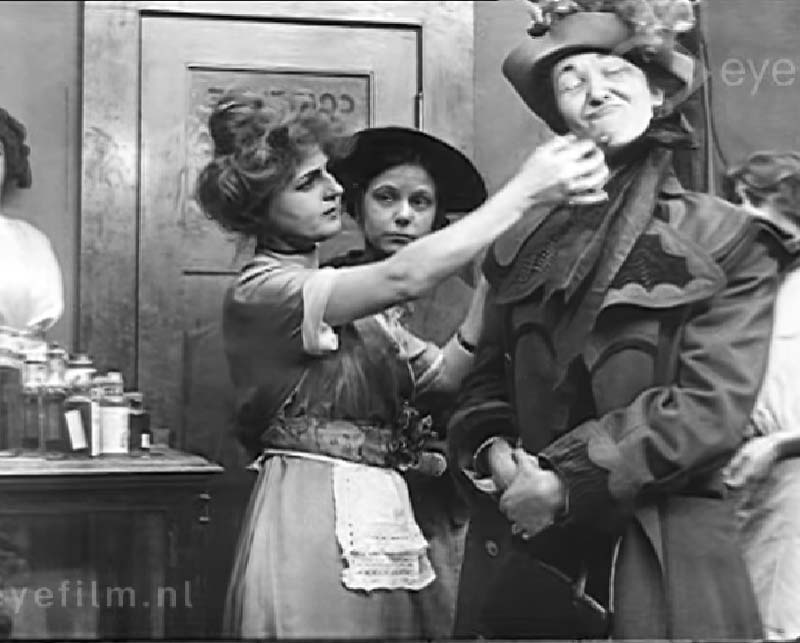
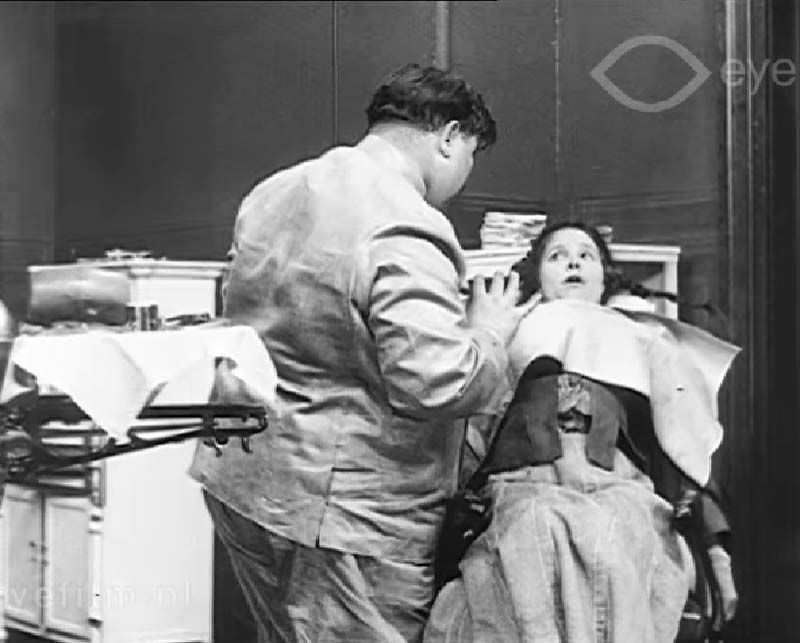
Belinda stops her, gives Billy a piece of her mind and then proposes that she and Miss Ophelia go and get a makeover at a beauty salon. At first, the salon staff feel there is no hope but with a lot of work (and, in Belinda’s case, a trip to the dentist) both lady and maid emerge as lookers. (The old Hollywood trick of “attractive woman coded as ugly because she wears no makeup and favors odd clothes” was alive and well in 1913, I’m sure you’ve noticed.)
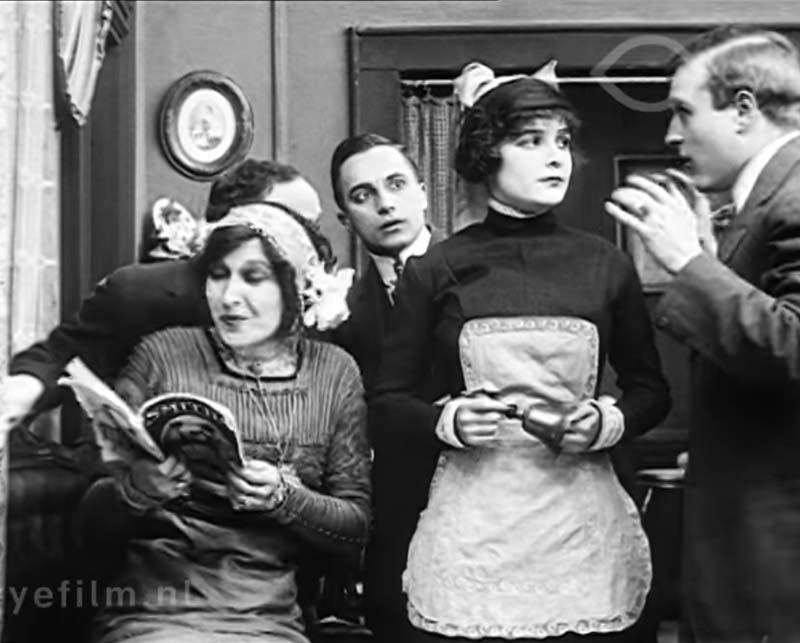
The revenge makeover complete, the women return to the boarding house, where they cause a sensation with the male tenants. Billy suddenly decides that he would indeed love to be Miss Ophelia’s sweetheart. However, having been on the receiving end of their mockery, Miss Ophelia and Belinda are in no mood to play nice. In fact, their new beauty has given them confidence to move to more illustrious circles and Miss Ophelia puts the boarding house up for sale. The picture ends with Miss Ophelia and Belinda mocking, manhandling and shoving the boarders onto the street.
So, the lesson of the picture is that money cannot buy love but it can buy beauty. And with beauty comes power, the kind of power that lets Miss Ophelia and Belinda give their tormenters the heave-ho and make a triumphant exit. It’s an example of women in the movies using the unfair rules of the time to their advantage and emerging as victors. Miss Ophelia always had the power to shut down her boarding house and rid herself of her abusive tenants, but her makeover allowed her to do it in style and make the men realize the error of their ways.
In movies, the despair of a beautiful woman is tragic and her victory cathartic. But for an unattractive woman, victory or defeat, she is a figure of ridicule. A Lady and Her Maid makes the audience complicit in this hypocrisy by inviting viewers to laugh at Miss Ophelia and then enjoy the sweet fruits of her success. It’s quite a trick.
The plot of this film is relatively self-contained and open endings were not uncommon during this era, so I was surprised to learn that A Lady and Her Maid was actually part of the Belinda series that Vitagraph was marketing for Talmadge with Bert Angeles directing and scenarios by Beta Breuil. The short films employed lightly serialized storytelling, showing Belinda’s adventures in the service of Miss Ophelia.
The series kicked off on March 22, 1913 with Belinda the Slavey; or, Plot and Counterplot. (Vitagraph did love its double titles.) The picture showed Belinda entering the employ of Miss Ophelia (called Miss Finch in the synopsis) and escaping the poorhouse, which explains her intense loyalty to her mistress. It was followed by Slething on April 17 of the same year, and then Omens and Oracles on May 6. A Lady and Her Maid was the fourth in the series, released May 22, and its direct sequel was Count Barber on July 7. It seems that the Belinda series ended there, with Talmadge whisked away to bigger and better things.
To make things even more confusing, Alice Guy’s Solax company released The Hopes of Belinda on June 3 and featured a wacky maid named Belinda who accidentally causes havoc while trying to win a mail-order husband. This plethora of Belindas made me wonder what caused such a specific name to be chosen. Vitagraph produced a comedy called The Great Diamond Robbery in 1912 but in that case, the part was played by a male actor in blackface.
(I presume that the explosion of maids named Belinda was an example of Hollywood cannibalizing itself, extremely common then and now, and that the name was chosen because the idea of a rather fussy and fancy name being owned by a servant was viewed as incongruous and therefore humorous. The Belinda series was not exactly subtle in its character names, calling a confidence trickster “Madam La Bluff” in one entry.)
In case you were wondering how the adventures of Belinda and Miss Ophelia end in Count Barber, Ophelia turns out to be an heiress to millions and a cunning etiquette guru attempts to cheat her by having her brother, a barber, pitch woo. Unfortunately, the barber had already flirted with Belinda using his real identity and Belinda exposes the scheme. Miss Ophelia takes revenge by tying him to his barber chair and drowning him in aftershave, shaving cream, hair tonic and anything else she can get her hands on.
I am not sure if Miss Ophelia’s inheritance was introduced in Count Barber or if was present in A Lady and Her Maid as well. (The version I saw has translated Dutch titles with English subtitles.) It would certainly have gone a long way in explaining why Miss Ophelia was living in plain surroundings but then had cash to throw around at salons, dentists and boutiques.
A Lady and Her Maid will probably be a bit of a revelation for viewers who are just getting to know Norma Talmadge. When people talk about the Talmadge sisters at all these days, it is generally agreed that little sister Constance was the comedienne while Norma was the tragedienne. However, viewing Norma Talmadge’s body of work has convinced me that she was even funnier than Constance—Kiki is a comedy masterpiece—and that her versatility is severely underrated at present.
As Belinda, Talmadge is as loyal and tenacious as a terrier and gets the most out of her wild pre-makeover hairstyle. There are all kinds of nice little details in her performance: flicking her dinner bell at her sudden mob of admirers, helping Miss Ophelia shove the ungrateful boarders out the door and giving an epic side-eye to their ogling. She had sass, our Miss Talmadge.
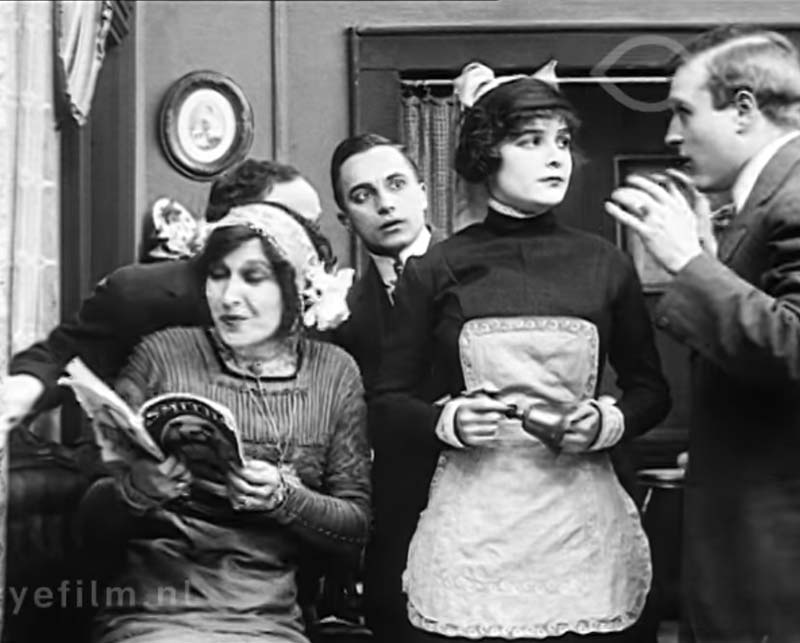
A Lady and Her Maid is old school Vitagraph comedy, wild and verging into the surreal, rather than the more realistic hijinks of 1910s Vitagraph superstars John Bunny and Flora Finch, as well as the subtle domestic confections of Mr. and Mrs. Sidney Drew. Is it broad? Very. But the sight of a snarky hellcat Talmadge in her Pippi braids will be extremely amusing to a great many viewers.
This is a goofy and strange little picture and if this is an example of what to expect in the Belinda series, here’s hoping more episodes are made available.
Where can I see it?
Stream for free courtesy of the EYE Filmmuseum. Be sure to turn on the English subtitles if you don’t speak Dutch.
☙❦❧
Like what you’re reading? Please consider sponsoring me on Patreon. All patrons will get early previews of upcoming features, exclusive polls and other goodies.
Disclosure: Some links included in this post may be affiliate links to products sold by Amazon and as an Amazon Associate I earn from qualifying purchases.
 Movies Silently